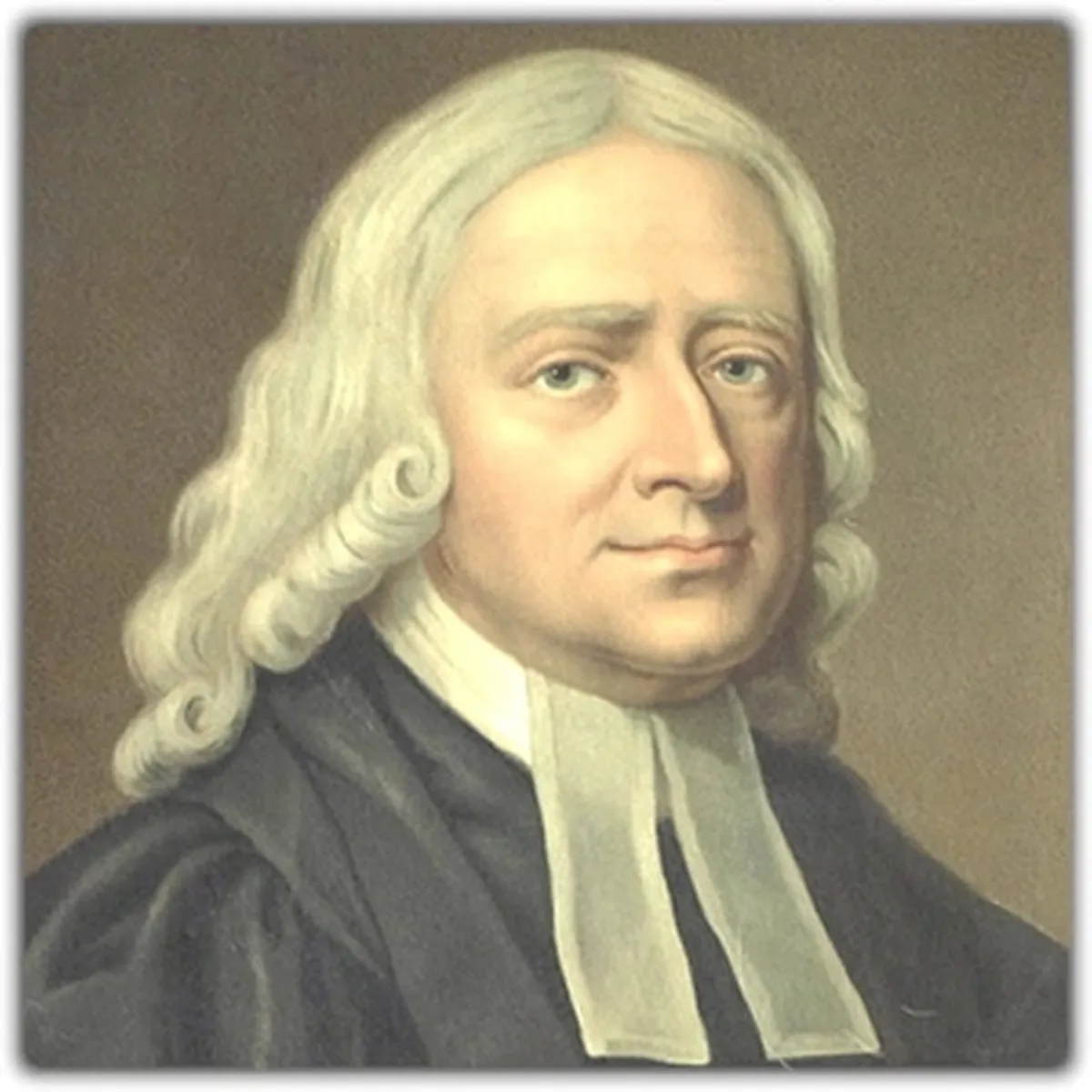
William Law
William Law (1686–1761) was an English clergyman and theologian whose writings on Christian spirituality and devotion have influenced generations of believers, particularly within the evangelical and holiness movements. Born in King's Cliffe, Northamptonshire, Law was educated at Emmanuel College, Cambridge, and was ordained as a priest in the Church of England. His early ministry, however, was marked by a growing disillusionment with the formalism and lack of spiritual depth he perceived within the established church.
Law is best known for his book "A Serious Call to a Devout and Holy Life" (1729), which became a significant work in the development of Christian spirituality. In this book, Law challenges Christians to live a life of true devotion, urging them to embody their faith in daily actions and to prioritize personal holiness. His emphasis on piety, self-discipline, and the rejection of worldly distractions was revolutionary at the time and has had a lasting impact on Christian devotional literature. Law’s call to a devout life was not merely about moral behavior but about an inward transformation, driven by a deep relationship with God.
Throughout his life, Law was known for his commitment to the interior life and the necessity of personal holiness. In the 1730s, he resigned from his position in the Church of England after refusing to swear allegiance to the new King George I, as he believed it violated his convictions on the sovereignty of God. Though he was not widely recognized during his lifetime, Law's influence grew after his death, particularly among Methodists, including John Wesley, who was greatly impacted by Law's writings on holiness and devotion.
William Law’s legacy lives on through his works, which continue to inspire Christians seeking to deepen their spiritual lives and live out their faith with sincerity and passion.