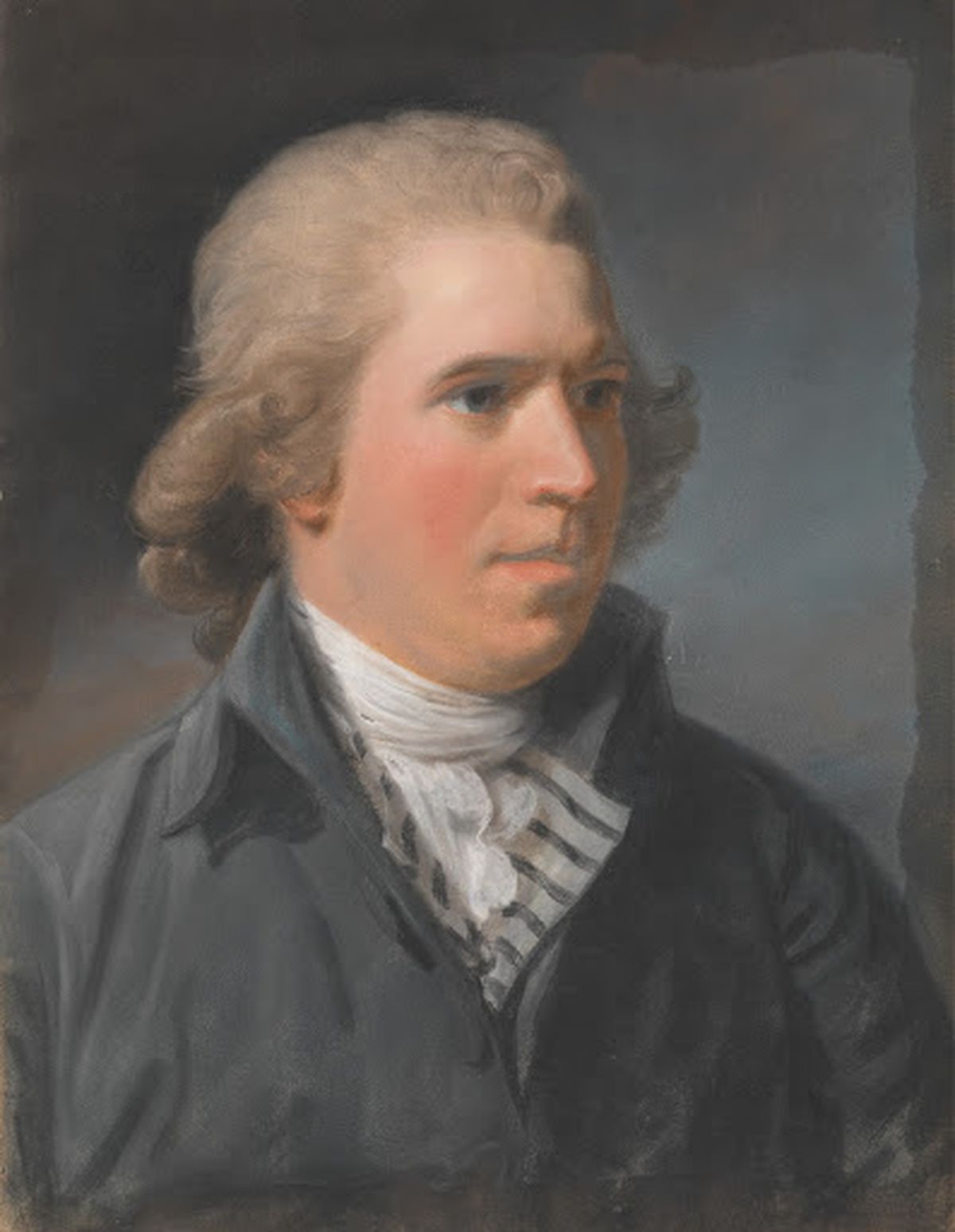
Edmund Burke
Edmund Burke (1729–1797) was an Irish statesman, economist, and philosopher, widely regarded as one of the most influential figures in the development of modern political thought. Known for his advocacy of conservative principles, Burke’s ideas on government, society, and tradition have had a profound impact on both political theory and practice, particularly within conservative and classical liberal circles.
Born in Dublin, Ireland, Burke was educated at Trinity College and later at the Middle Temple in London, where he studied law. Although he initially pursued a legal career, Burke soon shifted his focus to writing and political commentary. He entered the British House of Commons in 1766, where he became known for his eloquent speeches and his deep understanding of political philosophy and history.
Burke is perhaps best known for his opposition to the French Revolution, which he viewed as a dangerous attempt to dismantle the social order. His book Reflections on the Revolution in France (1790) remains one of his most influential works, in which he argues that society’s traditions and institutions are integral to maintaining stability and order. Burke believed in the wisdom of gradual, organic change rather than radical upheaval, and his thought helped shape the development of conservative thought in the Western world.
Throughout his career, Burke was a vocal advocate for the rights of the American colonies, the defense of parliamentary democracy, and the protection of individual liberties. He also played a significant role in the impeachment of Warren Hastings, the Governor-General of India, for alleged corruption.
Burke’s writings and speeches continue to be studied by scholars and political leaders for their insight into the complexities of human society and government. His legacy as a defender of tradition, justice, and the importance of balanced government remains influential today.


