Matthew 22:37-39, Matthew 25:35-40, Luke 3:11, Ephesians 5:2, Acts 2:42-47, James 2:14-17, Galatians 2:10, Psalm 72:12-14
A passage often referred to in order to describe the sacrificial, countercultural quality of the early church comes to us interestingly enough, from one of its strongest critics, known later to histor...
Revelation 2:10, Matthew 5:10-12, 2 Timothy 4:7-8, 1 Peter 4:12-13, James 1:12, Psalm 46:1-3
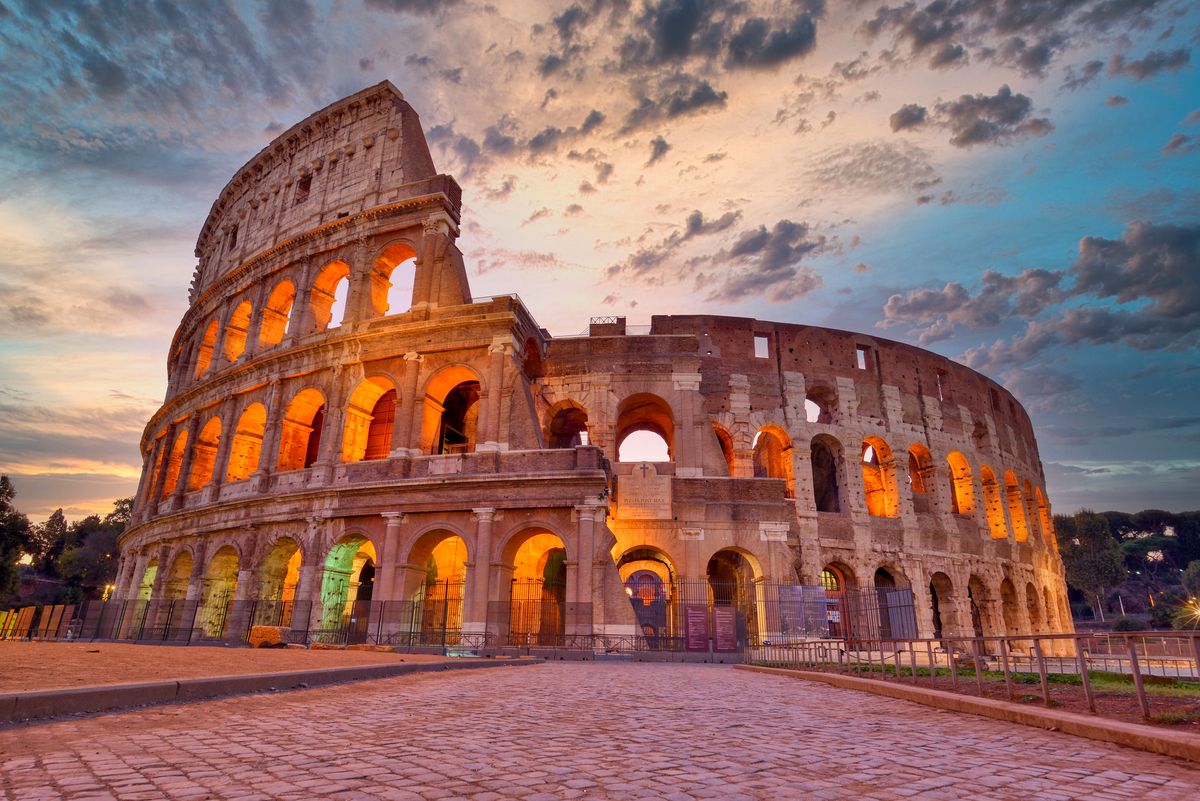
Like a scene straight out of Gladiator, Polycarp was dragged into the Roman Colosseum. Discipled by the apostle John himself, the aged bishop faithfully and selflessly led the church at Smyrna through...
Matthew 7:21, Matthew 11:28-30, Romans 10:9, Philippians 2:10-11, Acts 4:12, John 14:6
In the days of the early church, believers affirmed their faith by saying, “Jesus is Lord.” We give lip-service to that same affirmation, but find it difficult to surrender control of our lives. Inste...
Matthew 22:39, Philippians 2:3-4, 1 Corinthians 10:24, Romans 15:1-2, Galatians 6:10, Romans 12:10, Acts 20:35, Matthew 25:35-40, Isaiah 58:6-7, Proverbs 19:17, Luke 10:30-37, James 2:15-16, 1 John 3:17, Proverbs 31:8-9, Matthew 25:40, Acts 11:29-30, 2 Corinthians 8:13-15, Acts 2:44-45, Acts 4:32-35, 1 Corinthians 12:25-26
Pursuing the common good has been a strong marker of the Christian church from the very beginning. The early church had many habits that they became known for, of course—including meeting frequently, ...
Joshua 24:14-15, 1 Kings 18:21, Daniel 1:8, Luke 9:62, Acts 4:19-20, Psalm 119:10-11
It was this…intention that made the primitive Christians such eminent instances of piety, that made the goodly fellowship of the Saints and all the glorious army of martyrs and confessors. And if you ...
It was this…intention that made the primitive Christians such eminent instances of piety, that made the goodly fellowship of the Saints and all the glorious army of martyrs and confessors. And if you ...
Preaching Commentary Background of Writing Luke/Acts I don’t know about you, but as a kid, and even a teenager, I never really thought too much about how the Biblical canon was formed. If I had to ...
Ancient Lens What can we learn from the historical context? A Diverse Early Church From the start, the early church was a mix of people from different backgrounds, traditions, and classes. We...
Ancient Lens What can we learn from the historical context? A Diverse Early Church From the start, the early church was a mix of people from different backgrounds, traditions, and classes. We se...
Context Once Jesus ascends in Acts 1, the disciples are not immediately out on the street continuing his work. Many assumed Jesus’ mission would bring earthly power, but now they find themselves fear...
Context Once Jesus ascends in Acts 1, the disciples are not immediately out on the street continuing his work. Many assumed Jesus’ mission would bring earthly power, but now they find themselves fear...
IDENTITY AND SUFFERING The key to understanding today’s readings lies in the first half of 1 Peter. Two themes dominate Peter’s encouragement to these early Christians: identity and suffering. Knowi...
A Note of Understanding The Lectionary and the Liturgical Calendar Preaching from the lectionary isn’t always easy. When the assigned texts align with major moments in the liturgical calendar—Christ...
Revelation 11:15, Matthew 28:19, Galatians 3:28, Matthew 8:10-11, 1 Corinthians 15:25-26
What shall I say of the Romans themselves, who fortify their own empire with garrisons of their own legions, nor can extend the might of their kingdom beyond these nations? But Christ’s name is extend...
The Dolorous Passion described Simon of Cyrene as a “stout-looking man,” and a fourth-century sarcophagus (stone coffin) from Rome supports this description – The Passion Sarcophagus, probably from th...
The early church was strikingly different from the culture around it in this way - the pagan society was stingy with its money and promiscuous with its body. A pagan gave nobody their money and practi...
Revelation 2:10, Psalm 71:20-21, Philippians 3:10-14, Luke 21:16-19, 2 Corinthians 4:17-18, Romans 8:17-18, James 1:12
One of the great leaders of the first generation after the apostles was a man named Polycarp. Polycarp, it is believed, was discipled by the apostle John and carried out a long and fruitful ministry i...
John 13:34-35, Luke 6:27-28, John 14:6, Philippians 2:5-8, 1 John 4:9-11, Ephesians 2:8-9, Psalm 103:8-12
A friend sat down in a small London restaurant and picked up a menu. “What will it be?” the waiter asked. Studying the puzzling selections, my friend said, “Uhh …” The waiter smiled. “Oh, a Yank. What...
Romans 12:1, Matthew 22:37-38, James 2:14-17, John 14:15, Luke 9:23, Philippians 2:5-8, Romans 10:9-10, Psalm 1:1-6
New Testament theology is ‘inherently self-involving as it summons the reader to believe, confess, obey, and understand the entirety of one’s existence—both her or his thinking and willing—in light of...
One key difference between much of the early church vs. the church of today (at least in the West) was the belief in, and regular experience of, miracles. As Joel Green, the noted professor and writer...
Leader: In today’s Scripture reading, we will hear about the earliest years of the Christian church. What we find is a variety of messengers reaching diverse people groups, all with the same basic m...
Matthew 16:25, Romans 8:17-18, Philippians 1:21, 2 Corinthians 4:17, Psalm 116:115, Daniel 3:, Daniel 6:
How many modern Christians consider dying to be the worst thing that can happen to them? We pray for safety, healing, and protection, and rightly so. However, do we live in the truth that death has tr...
So if we want to get the church right, we have to learn to see it as a salad in a bowl, made the Right Way of course. For a good salad is a fellowship of different tastes, all mixed together with the ...
John 4:23-24, Matthew 25:35-40, Romans 12:1-2, Psalm 96:7-9, Matthew 6:9-13, Hebrews 10:19-20
Ancient worship . . . does truth. All one has to do is to study the ancient liturgies to see that liturgies clearly do truth by their order and in their substance. This is why so many young people tod...
Acts 2:42-47, 1 Corinthians 1:9, 1 Timothy 3:1-13, 1 John 1:3, Acts 17:16-34, Romans 12:4-8, 1 Corinthians 1:18-25, John 14:6, Matthew 16:18
In the beginning the church was a fellowship of men and women centered on the living Christ. Then the church moved to Greece, where it became a philosophy. Then it moved to Rome, where it became an in...
Proverbs 28:20, Revelation 2:10, Matthew 5:10-12, Matthew 10:22, 2 Corinthians 4:8-10, 1 Peter 4:12-14, Romans 8:35-37, John 15:18-20, Psalm 31:23, Matthew 25:21, 1 Corinthians 4:2, 1 Timothy 6:12, Matthew 24:45-46
Pliny, a Roman Governor serving around 112 AD, faced a challenging situation regarding Christianity. Many Church historians believe that by his time, it had become illegal to profess the Christian fai...
Acts 1:9-11, 1 Thessalonians 1:9-10, 1 Thessalonians 4:16-17, Philippians 3:20-21, James 5:7-8, Revelation 22:20, Luke 21:27-28, Matthew 24:42-44
The early apostolic communities cannot be understood outside of the matrix of intense expectation. They were communities awaiting Christ’s return. They gathered in Eucharist for, among other reasons, ...
Leader: In today’s Scripture reading, we will hear about the earliest years of the Christian church. What we find is a variety of messengers reaching diverse people groups, all with the same basic m...
James 1:27, Isaiah 1:17, Psalm 68:5, Matthew 25:34-40, 1 Timothy 5:3-4, Zechariah 7:9-10, Matthew 12:48-50, Romans 8:14-17, Luke 4:18, Acts 4:34-35, James 2:15-16
Christianity revitalized life in Greco-Roman cities by providing new norms and new kinds of social relationships able to cope with many urgent urban problems. To cities filled with the homeless and im...