Proverbs 2:2–6, Romans 12:1–2, Isaiah 1:18, Daniel 1:17–20, Matthew 22:37, Psalm 119:97–100
At a Christian high school, a theology teacher strode to the front of the classroom, where he drew a heart on one side of the blackboard and a brain on the other. The two are as divided as the two sid...
Micah 6:6–8, 1 Samuel 8:4–9, Jeremiah 7:1–7, John 8:36, Romans 12:2, Psalm 146:3–5
Nothing illustrates evangelicals’ infatuation with politics more clearly than a story related by a Christian lawyer. Considering whether to take a job in the nation’s capital, he consulted with the le...
I once had the opportunity to speak briefly to a large Mormon audience at the Tabernacle in Salt Lake City. I told them that I feel badly about the fact that we evangelicals often tell Mormons what th...
1 Samuel 24:10-12, Proverbs 16:8, Romans 12:17-18, Psalm 72:1-4, Micah 6:8, Matthew 5:13-16
When in conflict we should demonstrate that our public witness is more important than winning a political battle. This means that if our side has to do something unloving or corrupt to win, then it’s ...
1 Corinthians 1:10-13, Mark 3:24-25, Philippians 2:3-4, James 3:16, Ephesians 4:3-6, Romans 12:8
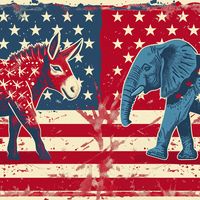
Our first president, George Washington, refused to run as a member of any political party. He wanted to be a president to all Americans. Washington firmly believed that political parties would divide ...
For some, faith begins with a hard shell, a rigid set of answers and platitudes that keep them safe but eventually prevent them from growing into who they could be. The system that was initially prote...