2 Corinthians 11:2, Acts 13:50, James 4:13-15, Philippians 2:3-4, Romans 12:17-19, 1 Peter 2:23, 2 Timothy 4:2, 1 Peter 5:2-3, John 21:15-17, 2 Corinthians 4:5, 1 Corinthians 2:1-5
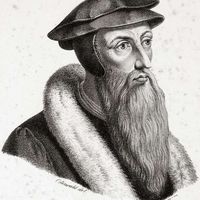
The Protestant Reformer John Calvin (1509-1564) arrived in Geneva to lead the city’s church in 1536, but not, as we might imagine, to universal acceptance. Rather, there was significant resistance and...
Mark 10:42-45, Matthew 20:25-28, 1 Corinthians 1:12-13, 1 Timothy 4:12, John 7:16, Galatians 1:10, 2 Timothy 4:3-4, 2 Corinthians 4:5, John 3:30, 1 Corinthians 2:1-2
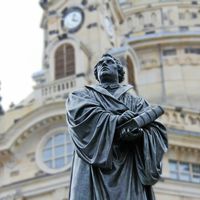
When Martin Luther discovered that some had begun calling the first Protestants “Lutherans,” he strongly objected. It is funny to think that some 500 years later, many are still known by his name: ...
1 John 3:18, Mark 10:43-45, Colossians 3:12-14, 1 Peter 4:10, Galatians 5:13
One of the most powerful expressions of humble, servant-like caring for others is found in C.S. Lewis’ The Great Divorce , in the character of Sarah Smith of Golders Green. Her quiet life of love tra...
Matthew 25:35-40, James 1:27, Philippians 2:3-4, John 13:3-5, Micah 6:8, Isaiah 58:6-7, 1 John 3:18
An ancient legend tells of a well-respected rabbi who would vanish from his synagogue for a few hours each Sabbath. His mysterious absences sparked curiosity among his students, who wondered if their ...
John 13:1-17, John 13:31-35, Luke 22:25-27, Matthew 20:25-28, Mark 10:42-45
Reflection We all are aware of cultures that have a hierarchy—a pecking order. The elite and the hoi polloi. The acceptable and the unacceptable. In such cultures, the hierarchy determines the role. ...
Philippians 2:3-8, Colossians 3:23-24, Mark 10:42-45, 1 John 4:19, Luke 10:38-42
The fact that our works are done in the service of God is not enough, by itself, to prevent us from losing our interior life if we let them devour all our time and all our strength. Work is good and n...