Proverbs 3:5-8, Matthew 22:37, Romans 12:1-2, Luke 14:26-27, Deuteronomy 6:5, Luke 16:13, Mark 12:30, John 14:15, Matthew 16:24-26, Luke 9:59-62, Matthew 6:24, Hebrews 11:13-16, Hebrews 10:38-39, Matthew 6:33-34, Matthew 10:37-39
What are you willing to do for love? An instructor for the Perspectives on the World Christian Movement course shared with a class the major hang-up he had to get over before asking his wife to ma...
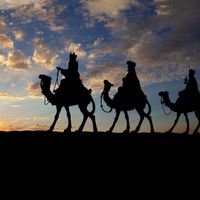
Psalm 72:1-14, Matthew 2:1-12, Hebrews 7:1-2, Genesis 14:8, John 10:10-14
Preaching Angles Having celebrated Christ’s reign on Christ the King Sunday in November and having sung (most likely) to the “King of kings” (forever and ever!) in the Hallelujah Chorus at some poi...
Psalm 98:, Matthew 10:28, Acts 5:29, Daniel 3:16-18, Exodus 1:15-17, 2 Timothy 4:2, Isaiah 33:22, Hebrews 13:6, Matthew 5:10-12, Revelation 2:10
William Barclay tells the story of Hugh Latimer, one of England’s great preachers and leaders of the English reformation (16th cent.), eventually a martyr for that cause. On an occasion when Latimer w...
Psalm 98, for both Israel and the Church, is an intriguing statement about God’s work in Israel and the world, especially in regard to how they are related. Ancient Lens What's the historical c...
Psalm 72:1-7, 10-14, Matthew 2:1-12, Hebrews 7:1-2, Genesis 14:8, John 10:10-14
Context Psalm 72 is one of two psalms (along with 127) that is attributed to Solomon, and it fits within a slightly larger group of psalms traditionally considered “royal psalms,” perhaps used as cor...
Ancient Lens What's the historical context? Dissolving the Divisions Generally speaking, the Psalms divide the people of the earth into two groups: “Israel” and “the nations.” Psalm 98 surpr...