Rainer Maria Rilke
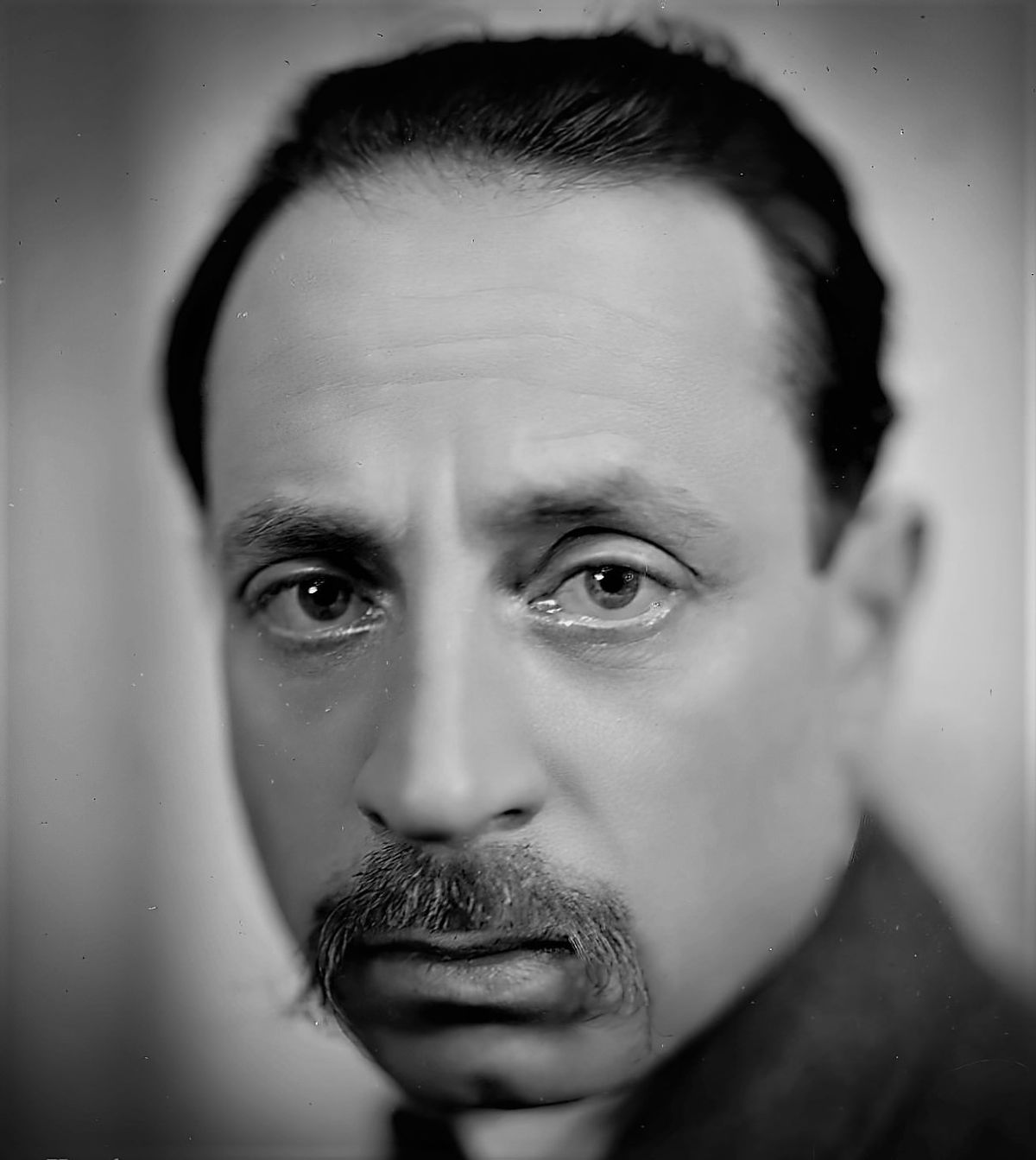
Rainer Maria Rilke (1875–1926) was a renowned Austrian poet and novelist, celebrated for his profound exploration of existential themes, spirituality, and the complexities of human experience. Born in Prague, then part of the Austro-Hungarian Empire, Rilke displayed a deep sensitivity and artistic inclination from an early age. His upbringing was shaped by his parents' conflicting aspirations and a formal education that he often found stifling, experiences that would later influence his poetic vision.
Rilke’s literary career began with works reflecting his early influences from German Romanticism, but his style matured into a unique voice that melded lyrical beauty with existential inquiry. His poetry often delved into themes of solitude, love, and the search for meaning in a fragmented world. Among his most acclaimed works are the Duino Elegies and the Sonnets to Orpheus, which are widely regarded as masterpieces of modern poetry for their spiritual depth and innovative form.
Rilke’s prose is equally celebrated, including his semi-autobiographical novel The Notebooks of Malte Laurids Brigge, which captures the existential struggles of a young writer in Paris. His collection of letters, Letters to a Young Poet, continues to inspire readers with its insights on creativity, love, and the courage to embrace life's uncertainties.
Throughout his life, Rilke traveled extensively, drawing inspiration from diverse landscapes and cultures, and forging connections with prominent artists and thinkers of his time. His work reflects a profound engagement with art, philosophy, and mysticism, often blurring the boundaries between the sacred and the everyday.
Rilke’s legacy endures as a voice of introspection and transcendence. His poetry and prose invite readers to confront the mysteries of existence with openness and to find beauty in the ephemeral, making his work timeless in its relevance and resonance.