Pope John Paul II
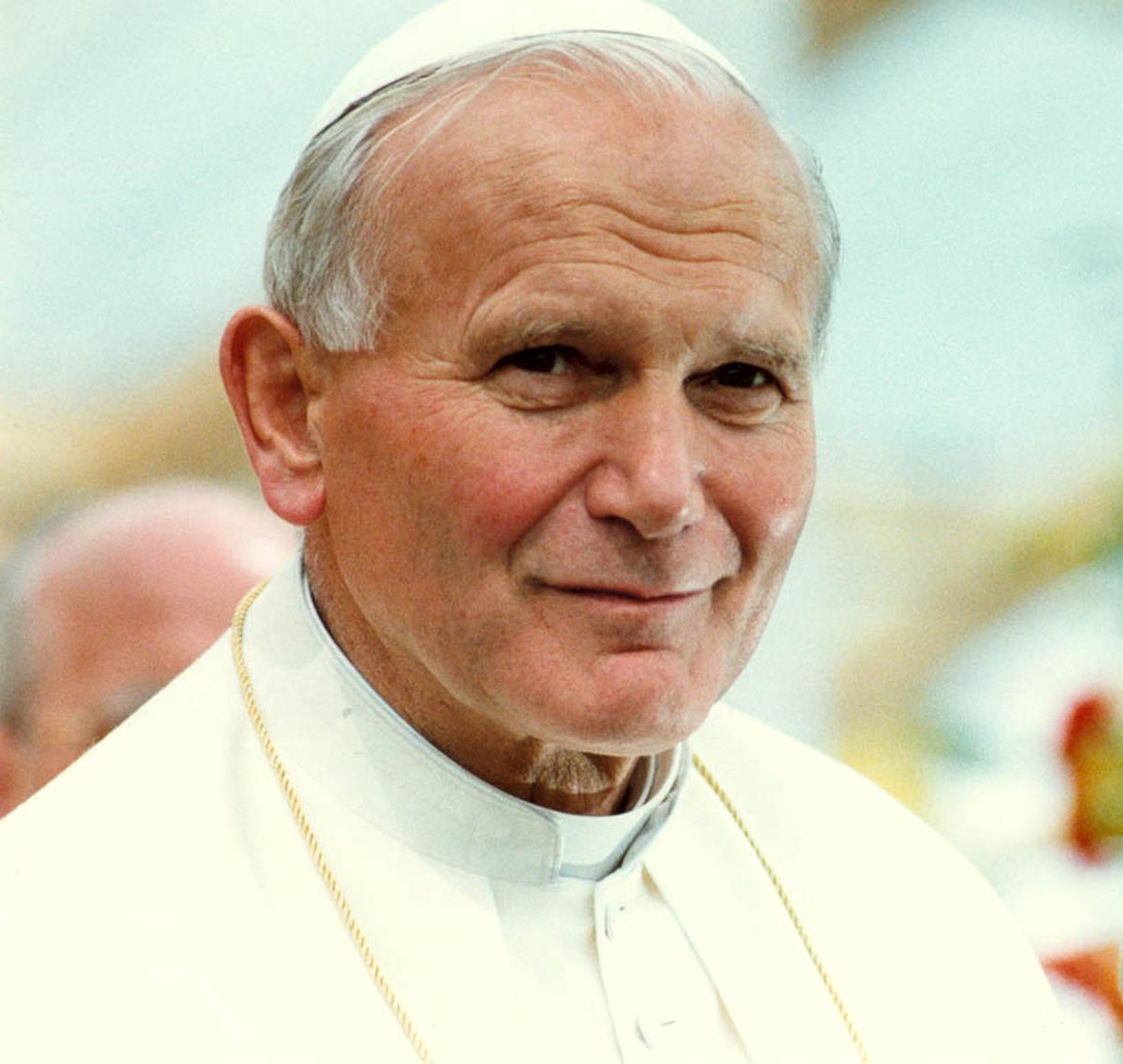
Pope John Paul II (1920–2005), born Karol Józef Wojtyła in Wadowice, Poland, was one of the most influential and beloved popes in the history of the Catholic Church. Serving as pope from 1978 until his death in 2005, he became the second-longest reigning pope in history and left an indelible mark on both the Church and the world.
John Paul II was the first non-Italian pope in 455 years and the first from Poland. His election to the papacy came during a pivotal time in history, marked by the Cold War and political tension in Eastern Europe. His strong stance against communism and his support for human rights helped galvanize the Solidarity movement in Poland, contributing to the eventual fall of the Soviet Union and the liberation of Eastern Europe. His visits to various countries and meetings with world leaders underscored his commitment to peace, justice, and human dignity.
A theologian and philosopher, Pope John Paul II wrote extensively, with his writings addressing complex issues like the sanctity of life, the nature of human love, and the relationship between faith and reason. His encyclicals, such as Evangelium Vitae (The Gospel of Life) and Fides et Ratio (Faith and Reason), were instrumental in shaping Catholic thought during his papacy.
Pope John Paul II was also known for his emphasis on the importance of youth, interfaith dialogue, and promoting global unity. His World Youth Days became iconic events that brought together millions of young people from across the globe. His efforts in fostering ecumenism and interreligious understanding, particularly with Jews, Muslims, and Orthodox Christians, demonstrated his commitment to reconciliation and peace.
Pope John Paul II was canonized as a saint by the Catholic Church in 2014, a testament to his profound spiritual legacy and the deep respect he earned from both Catholics and people of other faiths around the world.