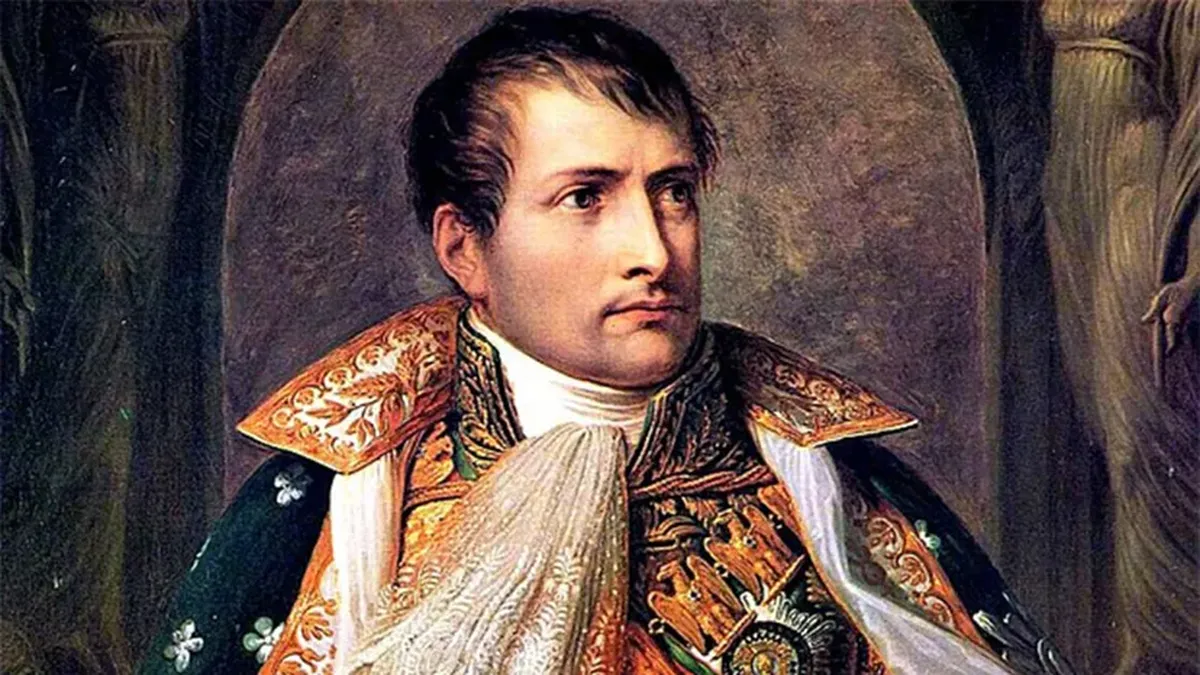
Napoleon Bonaparte
Napoleon Bonaparte (1769–1821) was a French military leader and emperor who rose to prominence during the French Revolution and went on to become one of the most influential figures in world history. His strategic brilliance, political reforms, and ambitious vision of European dominance made him both a revered and controversial figure.
Born on August 15, 1769, on the island of Corsica, Napoleon came from a modest noble family. He attended military school in mainland France and rapidly ascended through the ranks of the French army. His early military successes during the French Revolution, particularly his campaigns in Italy and Egypt, established him as a skilled and charismatic leader.
In 1799, Napoleon orchestrated a coup d’état, overthrowing the French government and declaring himself First Consul. In 1804, he crowned himself Emperor of the French, cementing his control over France. As emperor, he initiated widespread reforms in government, law, and society, most notably the Napoleonic Code, which influenced legal systems around the world.
Napoleon’s military genius led to the creation of a vast empire stretching across much of Europe. His victories in battles such as Austerlitz (1805) and Jena-Auerstedt (1806) solidified his dominance, but his fortunes began to wane with the disastrous invasion of Russia in 1812. After a series of defeats, he was forced to abdicate in 1814 and exiled to the island of Elba. However, he escaped and returned to France in 1815 for the brief period known as the Hundred Days, before his final defeat at the Battle of Waterloo.
Napoleon was exiled to the remote island of Saint Helena, where he died in 1821. His legacy, marked by military innovation, political reform, and the reshaping of European borders, continues to influence global history. Despite his downfall, Napoleon remains a figure of intrigue, embodying both the potential for greatness and the dangers of unchecked ambition.