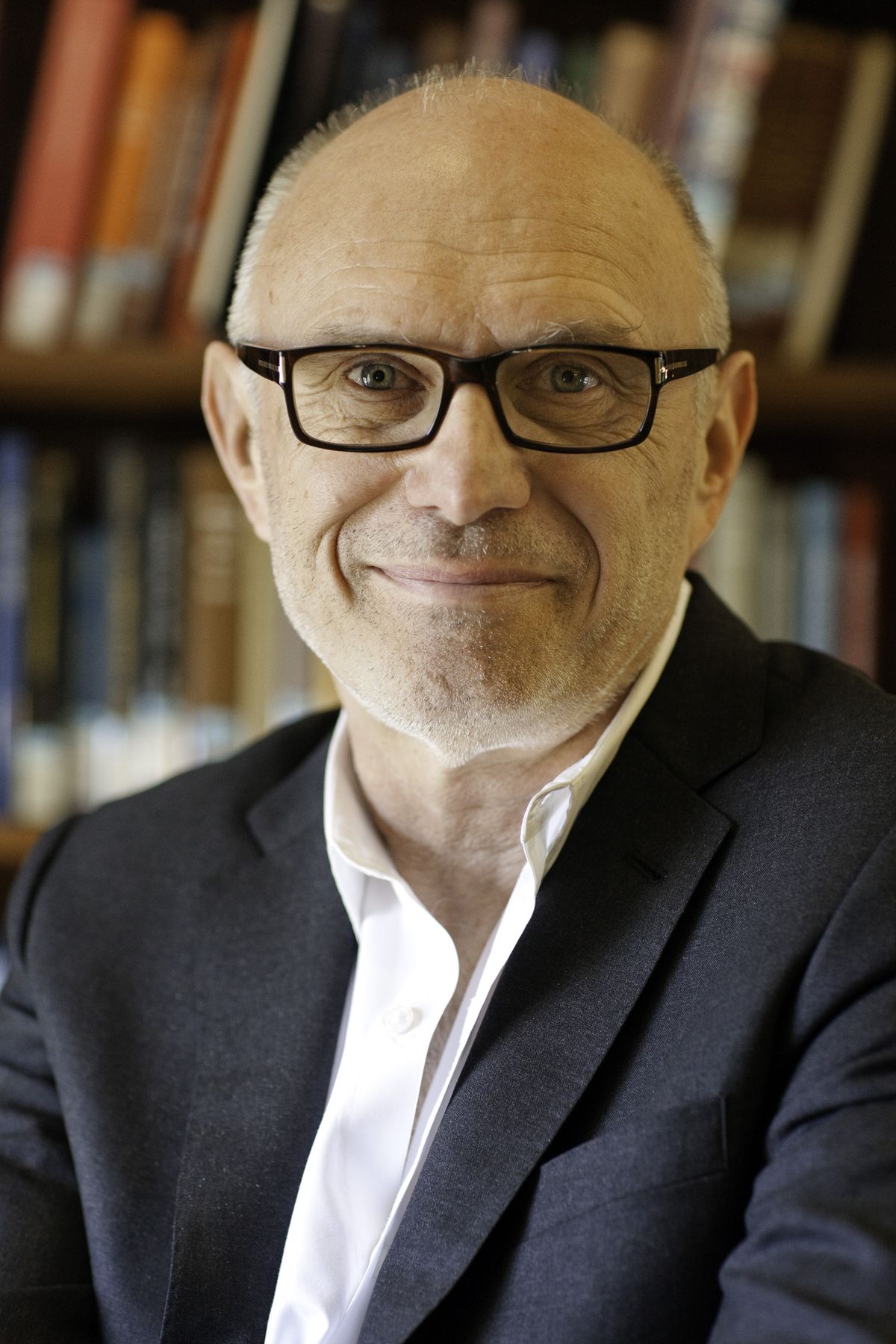
Miroslav Volf
Miroslav Volf is a prominent Croatian-American theologian, professor, and author, widely regarded for his work in systematic theology, ethics, and the intersection of faith and culture. His academic career has made significant contributions to the global conversation on reconciliation, religious pluralism, and the nature of Christian identity in a diverse and fragmented world.
Born in Croatia in 1956, Volf grew up in a context marked by the tensions of post-World War II Europe and the Yugoslav Wars. He pursued theological studies at the University of Belgrade and later completed his doctoral work at the University of Heidelberg in Germany. Volf's personal experiences of conflict and exile have deeply influenced his theological reflections, particularly on themes of forgiveness, justice, and reconciliation.
Volf is best known for his book Exclusion and Embrace: A Theological Exploration of Identity, Otherness, and Reconciliation, which explores the challenges of overcoming divisions between people and embracing others in the light of Christian theology. His work in this area has earned him recognition as a leading voice in Christian thought on forgiveness and community. In addition to Exclusion and Embrace, Volf has authored other significant works, including The End of Memory: Remembering Rightly in a Violent World and Flourishing: Why We Need Religion in a Globalized World.
He currently serves as a professor of theology at Yale Divinity School, where he is also the director of the Yale Center for Faith and Culture. Through his academic work, Volf explores how theology and religious belief intersect with global issues such as politics, human rights, and social justice.
Miroslav Volf's scholarship continues to challenge Christians to rethink their approach to others and the world, emphasizing the importance of love, reconciliation, and mutual respect in a world often marked by division and conflict.