John Wesley
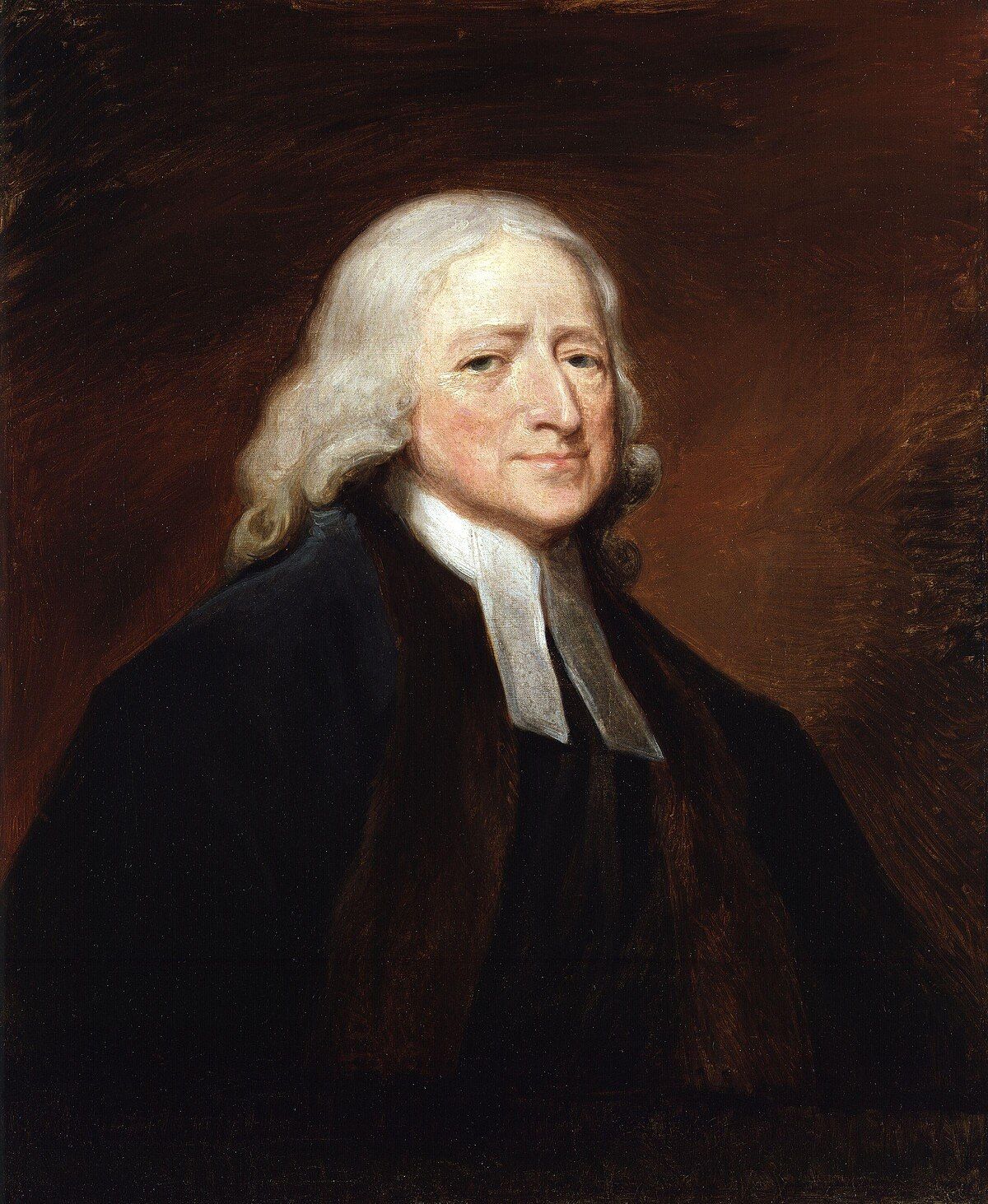
John Wesley (1703–1791) was an English cleric, theologian, and founder of the Methodist movement, which has had a profound impact on the development of Protestant Christianity. Born in Epworth, England, Wesley was the 15th child in a family that valued education and piety. He was educated at Oxford University, where he was deeply influenced by a group of students known as the “Holy Club,” which he founded. His early ministry focused on personal holiness, social justice, and the need for an active, vibrant faith.
Wesley’s theological contributions, grounded in the Arminian tradition, emphasized grace, salvation through faith, and sanctification. His preaching and writings emphasized the role of personal and social holiness, including care for the poor, support for education, and the promotion of temperance. Wesley’s belief in free will and the possibility of Christian perfection led to a distinctive theology that stressed both the assurance of salvation and the ongoing pursuit of holiness.
In 1739, Wesley, alongside his brother Charles, began preaching outdoors, reaching large crowds who were often excluded from traditional church settings. This marked the beginning of the Methodist movement, which would grow to have a significant impact, not only in England but globally. Wesley’s itinerant ministry took him across England, and his emphasis on lay preaching and small group meetings became integral to the Methodist tradition.
Wesley’s influence extended beyond theology and preaching to include practical reforms, such as the establishment of schools, hospitals, and the promotion of Christian education. He wrote numerous hymns, many of which are still sung today, and produced a theological framework that shaped the early Methodist Church.
Despite challenges and opposition, John Wesley’s life and ministry left an indelible mark on Christianity, and the Methodist movement remains a major Christian denomination worldwide.