George Herbert
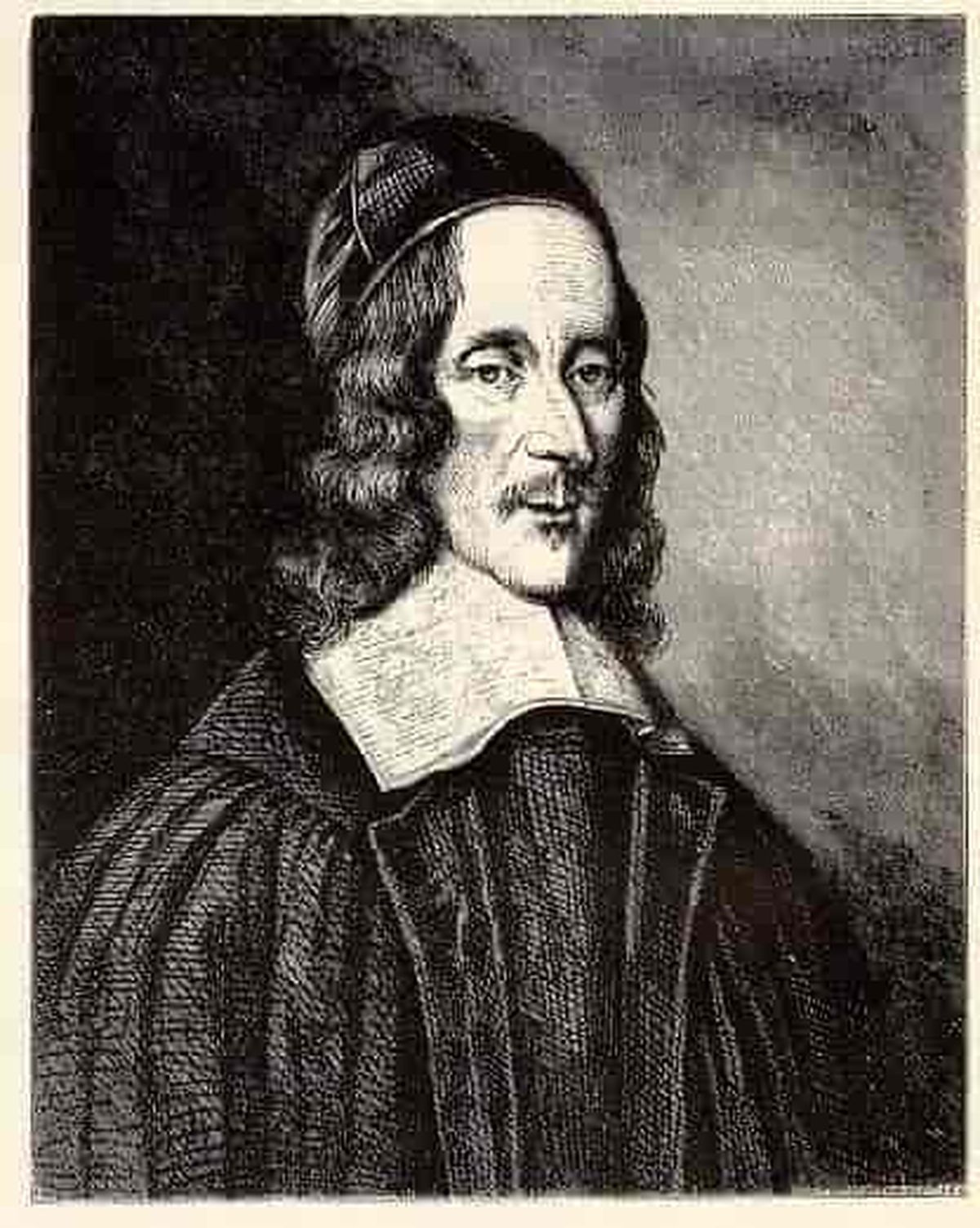
George Herbert (1593–1633) was a Welsh-born English poet, Anglican priest, and orator whose works have had a lasting influence on both English literature and Christian spirituality. A key figure of the metaphysical poets, Herbert is best known for his devotional poetry, which blends profound spiritual insight with intricate wordplay and vivid imagery.
Herbert was born in Wales to a family of notable social standing, but after experiencing the death of his parents and an early career in public life, he decided to dedicate himself to the priesthood. He was appointed the rector of St. Andrew’s Church in Bemerton, a small parish in Wiltshire, where he combined his passion for poetry with his pastoral duties. It was in Bemerton that Herbert wrote many of his most famous works, drawing on his experiences as a priest and his intimate relationship with God.
Herbert’s most famous collection, The Temple, contains a series of poems that reflect his deep faith, exploring themes of doubt, love, faith, and the Christian life. The poems in The Temple exhibit his mastery of language, using metaphysical conceits and rich, layered imagery to convey complex spiritual truths. His poetic style is both deeply personal and intellectually sophisticated, marking him as one of the most influential religious poets in English history.
Despite his early death at 39 from tuberculosis, Herbert's legacy endures. His poetry continues to resonate with readers for its blend of beauty and devotion, and his works remain essential in the study of English poetry and Christian thought. Today, Herbert is celebrated not only as a literary figure but as a model of faithful service and devotion to God through the arts.