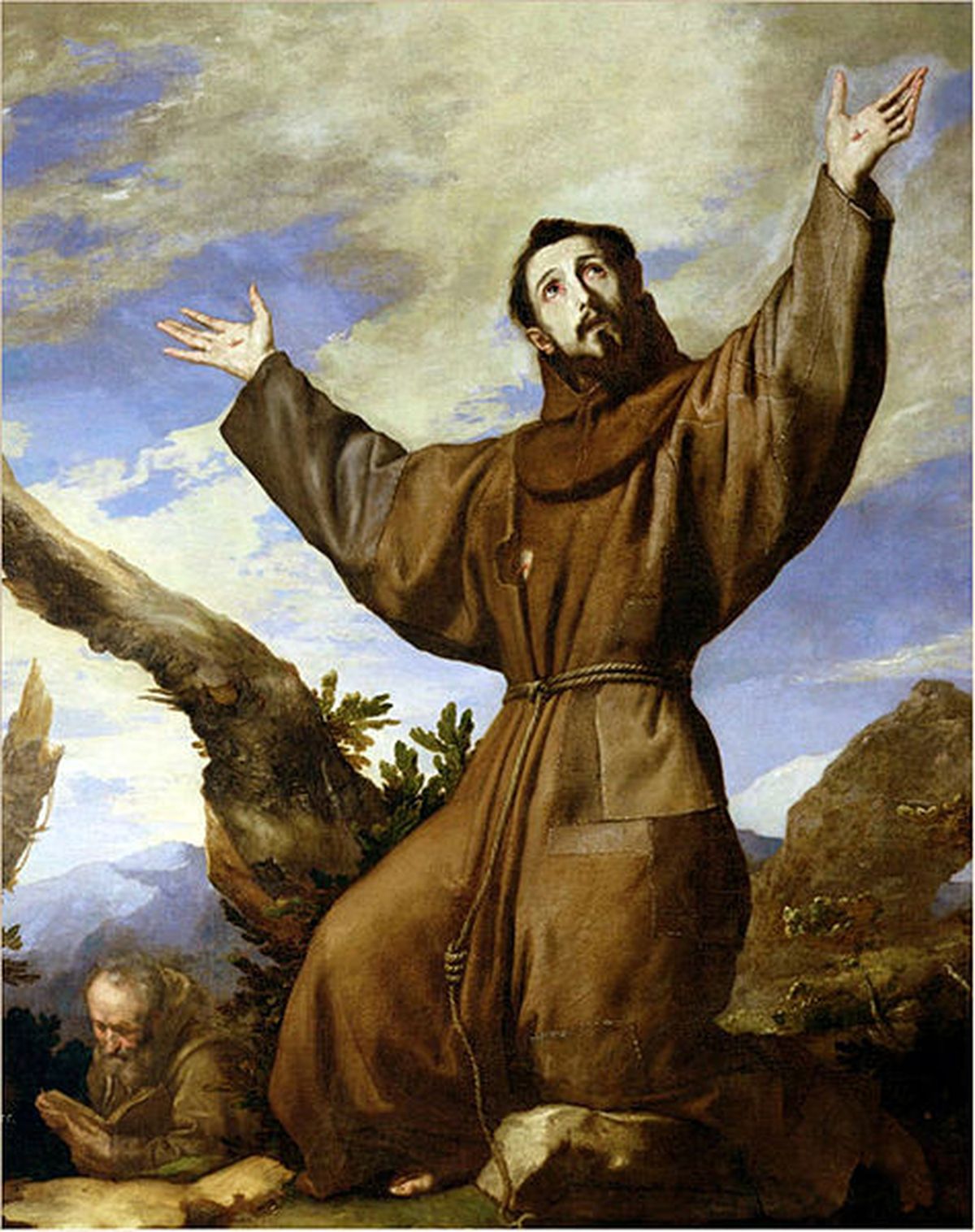
Francis of Assisi
Francis of Assisi (1181–1226) was an Italian Catholic friar, preacher, and founder of the Franciscan Order, one of the most influential religious movements in Christian history. Born Giovanni di Pietro di Bernardone in Assisi, Italy, Francis came from a wealthy merchant family but chose a life of poverty and simplicity, radically turning away from his former life of luxury. His profound spiritual transformation was rooted in a deep love for Christ, which led him to embrace a life of service, humility, and compassion.
In 1206, after experiencing a series of mystical encounters, Francis renounced his family’s wealth and devoted himself to the service of God, particularly caring for the poor, the sick, and the marginalized. His decision to live in poverty and embrace the most humble aspects of life was revolutionary for his time, and his example inspired countless others to follow his path.
Francis’s commitment to peace and reconciliation extended beyond the religious community. He is known for his efforts to bridge the divide between Christians and Muslims during the Crusades, including his famous meeting with the Sultan of Egypt, Al-Kamil, where he sought to foster mutual respect and understanding. His emphasis on living in harmony with nature and all of creation led him to be recognized as the patron saint of animals and the environment.
Francis founded the Order of Friars Minor (commonly known as the Franciscans) in 1209, which emphasized poverty, simplicity, and service to others. His impact on Christianity is profound, especially in the areas of humility, social justice, and the care of creation. In 1224, he received the stigmata, the wounds of Christ, making him one of the most venerated saints in Christian history. Francis of Assisi remains a symbol of peace, humility, and a radical commitment to the Gospel.