Ernest Hemingway
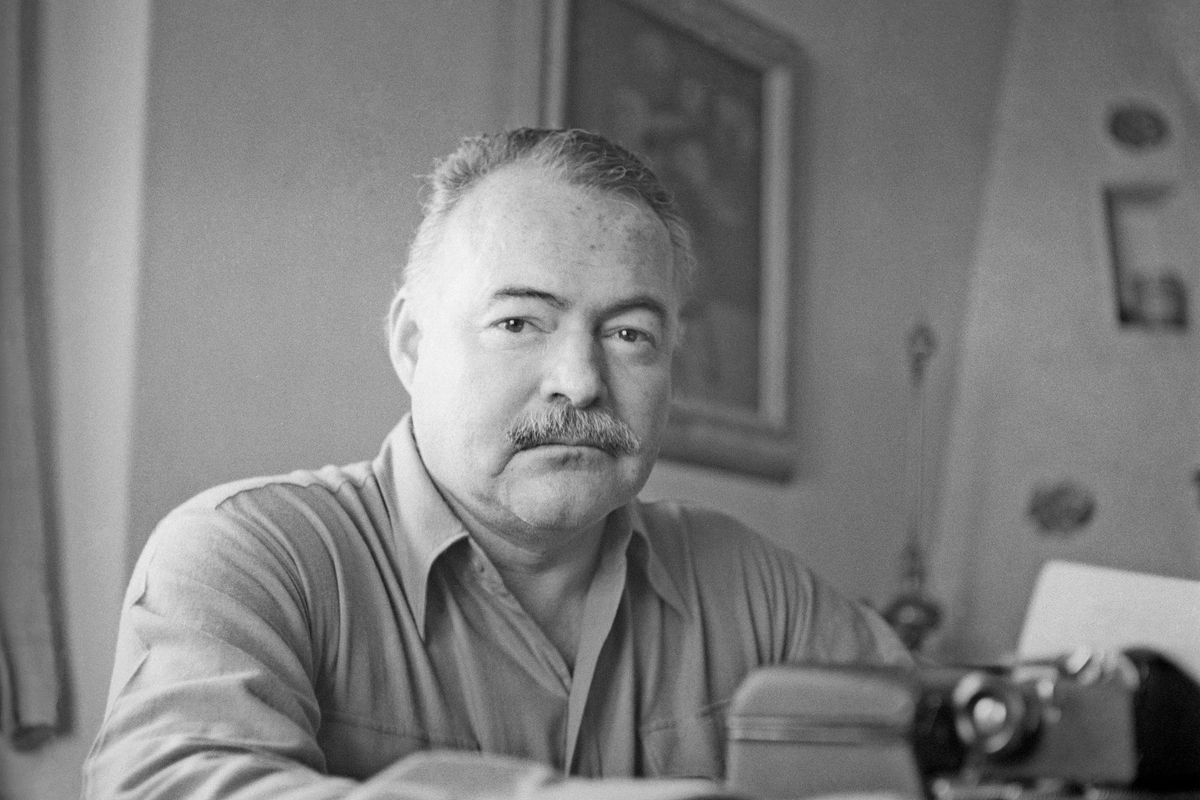
Ernest Hemingway (1899–1961) was an American novelist, short story writer, and journalist, widely regarded as one of the most influential literary figures of the 20th century. Known for his distinctive writing style characterized by economy and understatement, Hemingway’s works explore themes of love, war, loss, and human resilience.
Born in Oak Park, Illinois, Hemingway developed an early passion for writing and adventure. After high school, he worked as a reporter for The Kansas City Star, where he honed his concise prose style. During World War I, he served as an ambulance driver for the Red Cross in Italy, an experience that deeply influenced his life and writing. Wounded in the war, Hemingway drew upon these experiences in his acclaimed novel, A Farewell to Arms (1929).
In the 1920s, Hemingway became part of the expatriate community of writers and artists in Paris, a group later immortalized as the "Lost Generation." Guided by Gertrude Stein and influenced by modernist writers, he crafted works such as The Sun Also Rises (1926), which captured the disillusionment of post-war youth.
Hemingway’s adventurous spirit led him to Spain during the Spanish Civil War, Cuba, Africa, and beyond. These experiences inspired works like For Whom the Bell Tolls (1940) and numerous short stories. In 1952, he published The Old Man and the Sea, a tale of struggle and perseverance that earned him the Pulitzer Prize. Two years later, he was awarded the Nobel Prize in Literature.
Despite his literary success, Hemingway faced personal struggles, including mental health challenges and physical ailments. He died by suicide in 1961 at his home in Ketchum, Idaho.
Hemingway’s legacy endures through his timeless works, celebrated for their emotional depth, unflinching honesty, and ability to capture the complexities of the human condition.