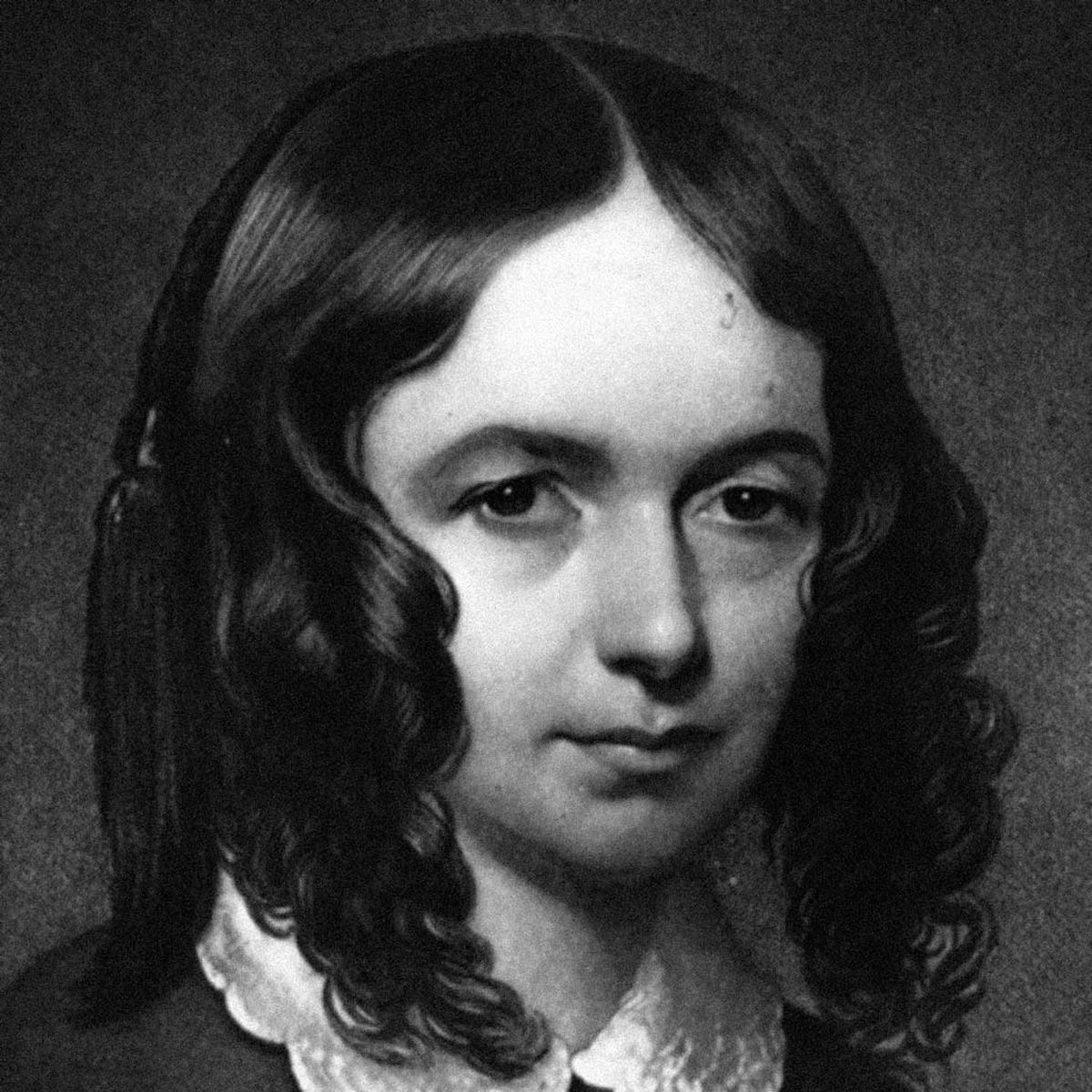
Elizabeth Barrett Browning
Elizabeth Barrett Browning (1806–1861) was an English poet, widely regarded as one of the most prominent writers of the Victorian era. Born on March 6, 1806, in Coxhoe Hall, County Durham, she was the eldest of twelve children in a wealthy family. Despite suffering from various health problems throughout her life, including a chronic illness that left her physically frail, Barrett developed a remarkable intellect and passion for literature. Her early education was largely self-directed, and she became an accomplished classical scholar.
Barrett's literary career began in her teens, and her early works, particularly Poems (1838), garnered critical attention. However, it was with the publication of Poems in 1844, which featured poems on social issues, religion, and love, that her reputation as a major poet was firmly established. Her writing was noted for its emotional depth, philosophical insight, and mastery of form.
Her personal life was marked by tragedy and isolation. Her father, Edward Barrett, a domineering and overprotective figure, prevented her from marrying, and she lived in virtual seclusion for much of her early adulthood. In 1846, she fell in love with the poet Robert Browning, and despite her father's opposition, the two married in secret. This union not only brought her personal happiness but also led to a creative revival, resulting in some of her best-known works.
Her most famous poem, Sonnets from the Portuguese (1850), is a deeply personal expression of love and longing, written during her early years of marriage. Elizabeth Barrett Browning's poetry often explored themes of social justice, women’s rights, and the emotional complexities of human relationships.
She died on June 29, 1861, in Florence, Italy. Browning's legacy endures through her powerful poetry, which continues to inspire readers worldwide.


