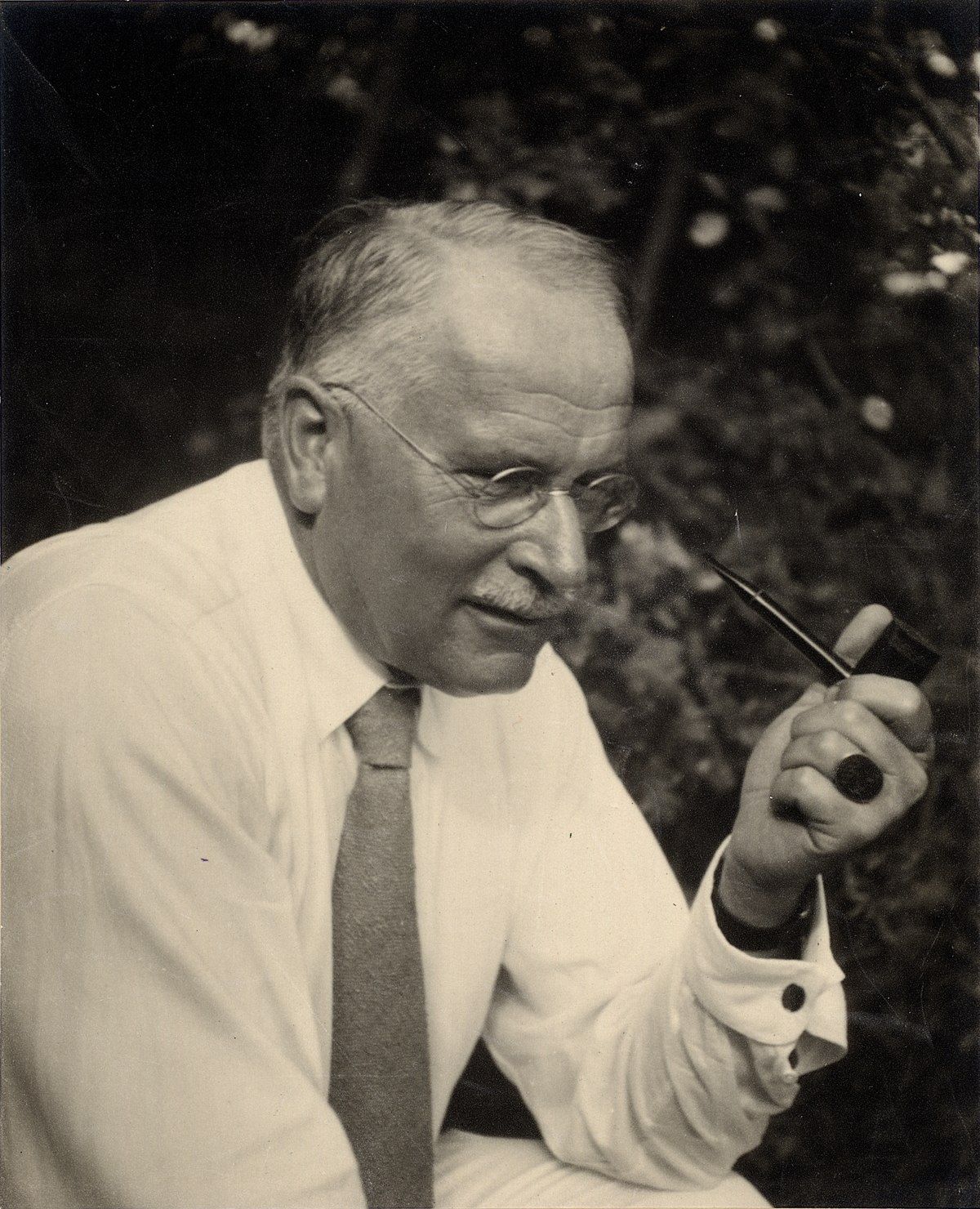
Carl Jung
Carl Gustav Jung (1875–1961) was a Swiss psychiatrist and psychoanalyst who founded analytical psychology, profoundly influencing psychology, philosophy, religion, and literature. As one of the most influential figures in the development of modern psychology, Jung’s work focused on understanding the deeper, unconscious elements of the human psyche, integrating the personal and collective dimensions of the unconscious, and exploring the interplay between the conscious and unconscious mind.
Jung’s innovative theories of archetypes, the collective unconscious, and the process of individuation—where individuals move toward psychological wholeness—revolutionized how we understand the human mind. His concept of the collective unconscious suggested that beneath the surface of individual consciousness lies a shared psychological inheritance of symbols and patterns, manifested in myths, dreams, and cultural expressions. This idea reshaped the field of psychology, encouraging a more holistic and symbolic interpretation of human behavior.
A prolific writer and thinker, Jung authored numerous influential works, including Psychological Types, Man and His Symbols, and The Archetypes and the Collective Unconscious. His work bridged the gap between science and spirituality, exploring the spiritual dimensions of human experience and advocating for the integration of these aspects into psychological health. Jung was particularly interested in the role of religion and spirituality in human development, believing that a meaningful relationship with the divine and a deeper understanding of the self were central to psychological well-being.
Jung’s ideas also had a significant impact on fields beyond psychology, influencing the arts, religion, and even contemporary pop culture. His theories of personality types, particularly the development of introversion and extraversion, remain widely used in personality assessments today. Throughout his life, Jung’s pursuit of self-knowledge and understanding of the unconscious left a lasting legacy that continues to shape psychological theory and practice, offering profound insights into the human condition.