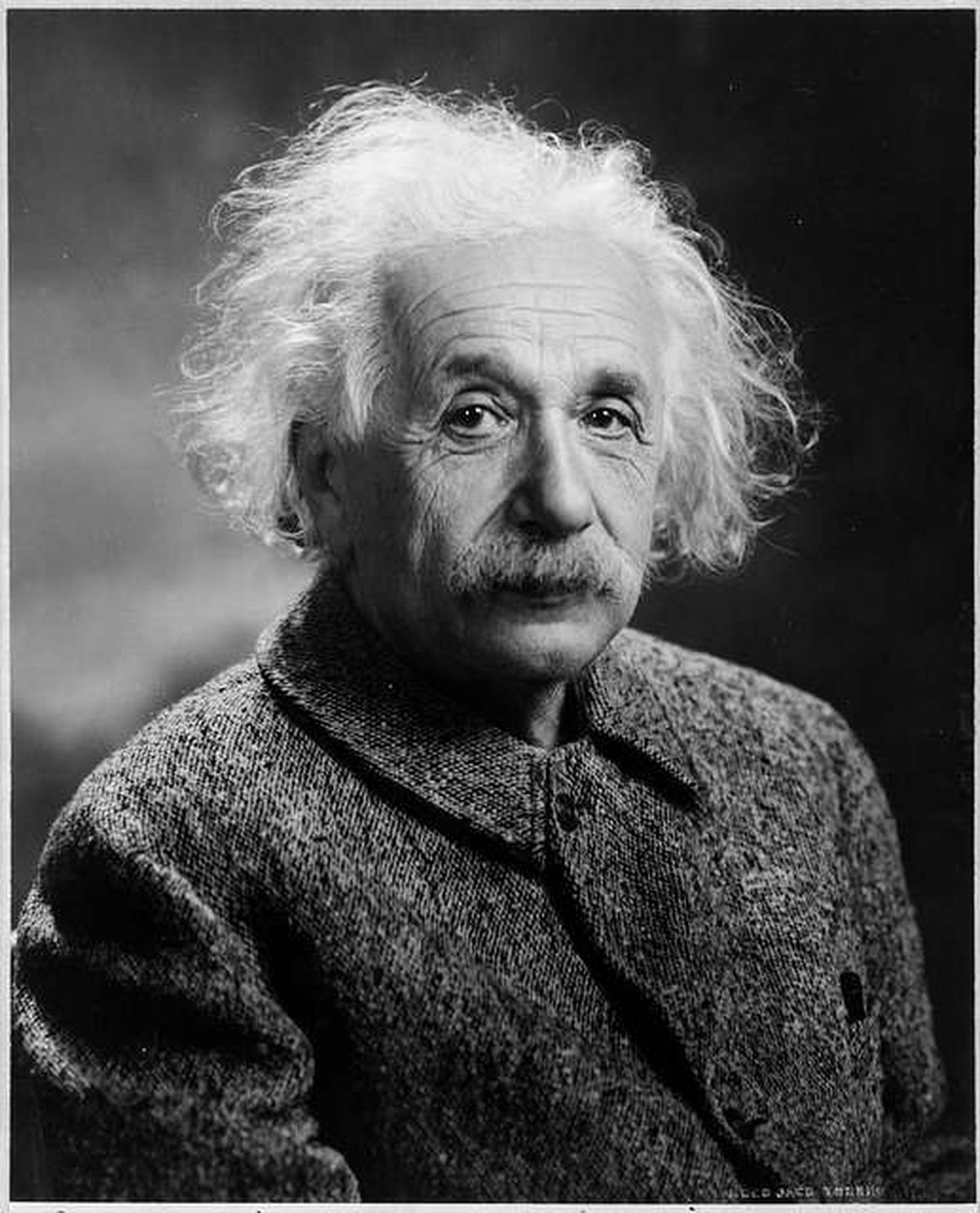
Albert Einstein
Albert Einstein (1879–1955) was a groundbreaking theoretical physicist, widely regarded as one of the most influential scientists in history. His most famous contribution, the theory of relativity, revolutionized the understanding of space, time, and gravity, fundamentally altering the landscape of physics. Einstein’s famous equation, E=mc^2, established the relationship between mass and energy, laying the foundation for numerous scientific advancements in both theoretical and applied physics, including the development of nuclear energy.
Einstein was awarded the Nobel Prize in Physics in 1921, not for his relativity theory, but for his explanation of the photoelectric effect, which helped establish the quantum theory of light. This discovery significantly advanced the understanding of particle physics and cemented his place as one of the pioneers of modern physics.
Beyond his scientific achievements, Einstein was deeply involved in social and political issues. An outspoken advocate for civil rights, he spoke out against racial segregation in the United States and was a supporter of African American rights, including his friendship with W.E.B. Du Bois and his opposition to Jim Crow laws. His pacifist views, especially during the early part of his career, made him an advocate for global disarmament, although his stance evolved in response to the threat posed by Nazi Germany.
Einstein also played a key role in the establishment of the state of Israel, expressing support for Zionism and the creation of a Jewish homeland, even being offered a position as Israel’s president in 1952, which he declined.
Einstein’s legacy transcends his scientific contributions. His commitment to humanitarian causes, advocacy for peace, and pursuit of knowledge have left an indelible mark on both science and society, making him a symbol of intellectual curiosity and moral integrity.


