Matthew 7:21, Matthew 11:28-30, Romans 10:9, Philippians 2:10-11, Acts 4:12, John 14:6
In the days of the early church, believers affirmed their faith by saying, “Jesus is Lord.” We give lip-service to that same affirmation, but find it difficult to surrender control of our lives. Inste...
Matthew 5:10-12, John 15:18-20, 2 Timothy 3:12, Acts 14:22, Romans 8:35-37, 1 Peter 4:12-14, 2 Corinthians 12:9-10, Acts 1:8, Romans 8:11, Isaiah 41:10
What is the witness of the church in times of persecution? The historical record demonstrates that persecutions of Christians were regular and prolific in the first centuries of the church, especially...
John 14:6, Matthew 7:13-14, Acts 24:14, Luke 9:23, Psalm 1:1-2, Psalm 25:4-5
[The] earliest name for Christianity was the Way, suggesting that it was not a set of doctrines to master but a path to travel. Suggesting that each step was a deepening of the familiar and a discover...
Revelation 12:11, Philippians 1:20-21, 2 Corinthians 4:11, Hebrews 11:35-38, Matthew 16:24, Psalm 44:22, John 14:6
Every one of the disciples faced the test of torture, and all but the apostle John were martyred for their teachings and beliefs. People will die for what they believe to be true, though it may actual...
Matthew 28:18-20, Acts 1:8, Acts 10:34-35, Galatians 3:28, Romans 1:16, John 4:21-24, Psalm 22:27-28
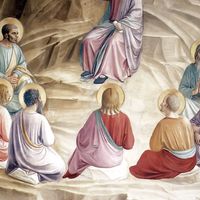
[Speaking of the early church] A cosmopolitan spirit grew, particularly in the cities, that transcended national barriers. Old tribal distinctions and identities were breaking down, leaving people rip...
Acts 8:1-3, 2 Timothy 3:12, 1 Peter 4:12-16, Matthew 5:10-12, Luke 6:41-42, Genesis 3:8-19, Genesis 39:6-20, Job 2:11-13, Job 42:7-9
Most of us are aware of various persecutions that took place during the first few centuries of the church’s existence. One particularly brutal local persecution took place during the reign of Nero, wh...
John 4:23-24, Matthew 25:35-40, Romans 12:1-2, Psalm 96:7-9, Matthew 6:9-13, Hebrews 10:19-20
Ancient worship . . . does truth. All one has to do is to study the ancient liturgies to see that liturgies clearly do truth by their order and in their substance. This is why so many young people tod...
These disciples turned the world upside down because they saw a dead man come back to life by the power of God. And whatever that “knowing” and “seeing” did in them, it did it at a deep level because ...
Revelation 2:10, Matthew 5:10-12, 2 Timothy 4:7-8, 1 Peter 4:12-13, James 1:12, Psalm 46:1-3
Like a scene straight out of Gladiator, Polycarp was dragged into the Roman Colosseum. Discipled by the apostle John himself, the aged bishop faithfully and selflessly led the church at Smyrna through...
Revelation 2:10, Psalm 71:20-21, Philippians 3:10-14, Luke 21:16-19, 2 Corinthians 4:17-18, Romans 8:17-18, James 1:12
One of the great leaders of the first generation after the apostles was a man named Polycarp. Polycarp, it is believed, was discipled by the apostle John and carried out a long and fruitful ministry i...
Matthew 22:37-39, Matthew 25:35-40, Luke 3:11, Ephesians 5:2, Acts 2:42-47, James 2:14-17, Galatians 2:10, Psalm 72:12-14
A passage often referred to in order to describe the sacrificial, countercultural quality of the early church comes to us interestingly enough, from one of its strongest critics, known later to histor...
The early church was strikingly different from the culture around it in this way - the pagan society was stingy with its money and promiscuous with its body. A pagan gave nobody their money and practi...

![[The] earliest name for Christianity](https://images.unsplash.com/photo-1535856326707-98d0b5dbe639?ixid=M3w1NzU0OTZ8MHwxfHNlYXJjaHwxfHxKb3VybmV5c3xlbnwxfDJ8fHwxNzEwNTM0MTcxfDA&ixlib=rb-4.0.3&q=80&auto=compress&fit=crop&w=200&h=200)
![[Speaking of the early church] A](https://a-us.storyblok.com/f/1016915/1200x801/ed572a4861/the-early-church.jpg/m/200x200/smart)