Mark 10:42-45, Matthew 20:25-28, 1 Corinthians 1:12-13, 1 Timothy 4:12, John 7:16, Galatians 1:10, 2 Timothy 4:3-4, 2 Corinthians 4:5, John 3:30, 1 Corinthians 2:1-2
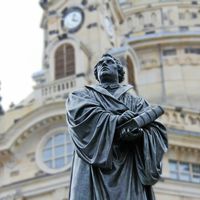
When Martin Luther discovered that some had begun calling the first Protestants “Lutherans,” he strongly objected. It is funny to think that some 500 years later, many are still known by his name: ...
Matthew 22:1-14, Matthew 21:28-32, 33-44, Matthew 20:1-16, Matthew 24:null, Galatians 3:8
Kingdom Reversals This parable of Jesus is like the other two before it (cf., Matt. 21:28–32, 33–44) in that its focus is on kingdom reversals. Continuing the theme begun in Matt. 20:1–16 where the l...
Matthew 22:1-14, Matthew 21:28-32, 33-44, Matthew 20:1-16, Matthew 24:null, Galatians 3:8
Preaching Commentary Kingdom Reversals This parable of Jesus is like the other two before it (cf., Matt. 21:28–32, 33–44) in that its focus is on kingdom reversals. Continuing the theme begun in Ma...
Philippians 2:6-7, Galatians 2:20, John 10:30, Ephesians 5:21, Colossians 1:19-20, John 15:13, Matthew 20:28
There are two wonderful Greek words that the early church theologians used to describe the Trinity: kenōsis and perichōrēsis. Kenosis is the act of self-giving for the good of another. It is found in ...
Philippians 2:3-4, Galatians 6:2, Matthew 20:26-28, 1 John 3:18, 1 Corinthians 12:25-26
There was a story going around about the Special Olympics. For the hundred-yard dash, there were nine contestants, all of them so-called physically or mentally disabled. All nine of them assembled at ...