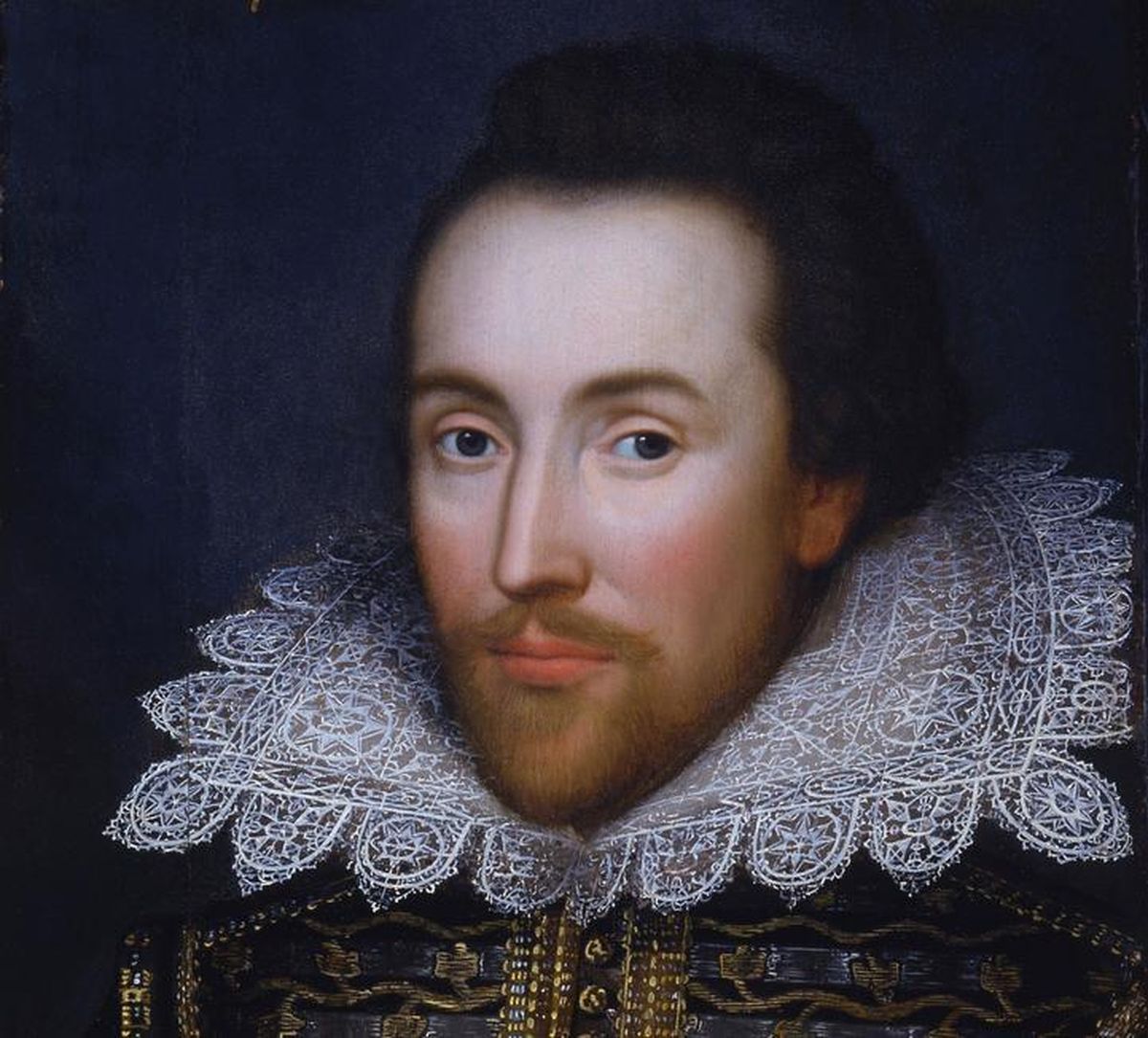
William Shakespeare
William Shakespeare (1564–1616) was an eminent English playwright, poet, and actor, widely regarded as one of the greatest writers in the English language and a central figure in world literature. Born in Stratford-upon-Avon, England, Shakespeare later moved to London, where he became a key player in the thriving theater scene. Over his career, he wrote 39 plays, 154 sonnets, and several narrative poems, producing an extensive body of work that continues to resonate with readers, audiences, and scholars worldwide.
Shakespeare’s works explore universal themes such as love, power, jealousy, betrayal, and the complexities of the human condition. His most famous plays, including Hamlet, Romeo and Juliet, Macbeth, A Midsummer Night’s Dream, and King Lear, are still widely performed and studied. These plays offer profound insights into human nature, examining the struggles, desires, and ethical dilemmas that shape individuals and societies. His ability to capture the full range of human experience, from the tragic to the comic, and to create vivid, multidimensional characters has set him apart as a master of storytelling.
Shakespeare’s linguistic genius also stands as a hallmark of his legacy. His inventive use of language, including the creation of new words and phrases, has had a lasting impact on the English language. His works continue to be adapted into countless modern forms, from film and theater to literature and music, influencing generations of writers, artists, and intellectuals.
Shakespeare’s influence extends beyond the literary world, shaping not only the theater but also broader cultural, philosophical, and artistic movements. His works continue to captivate audiences, solidifying his place as one of the most important figures in English and global cultural history.