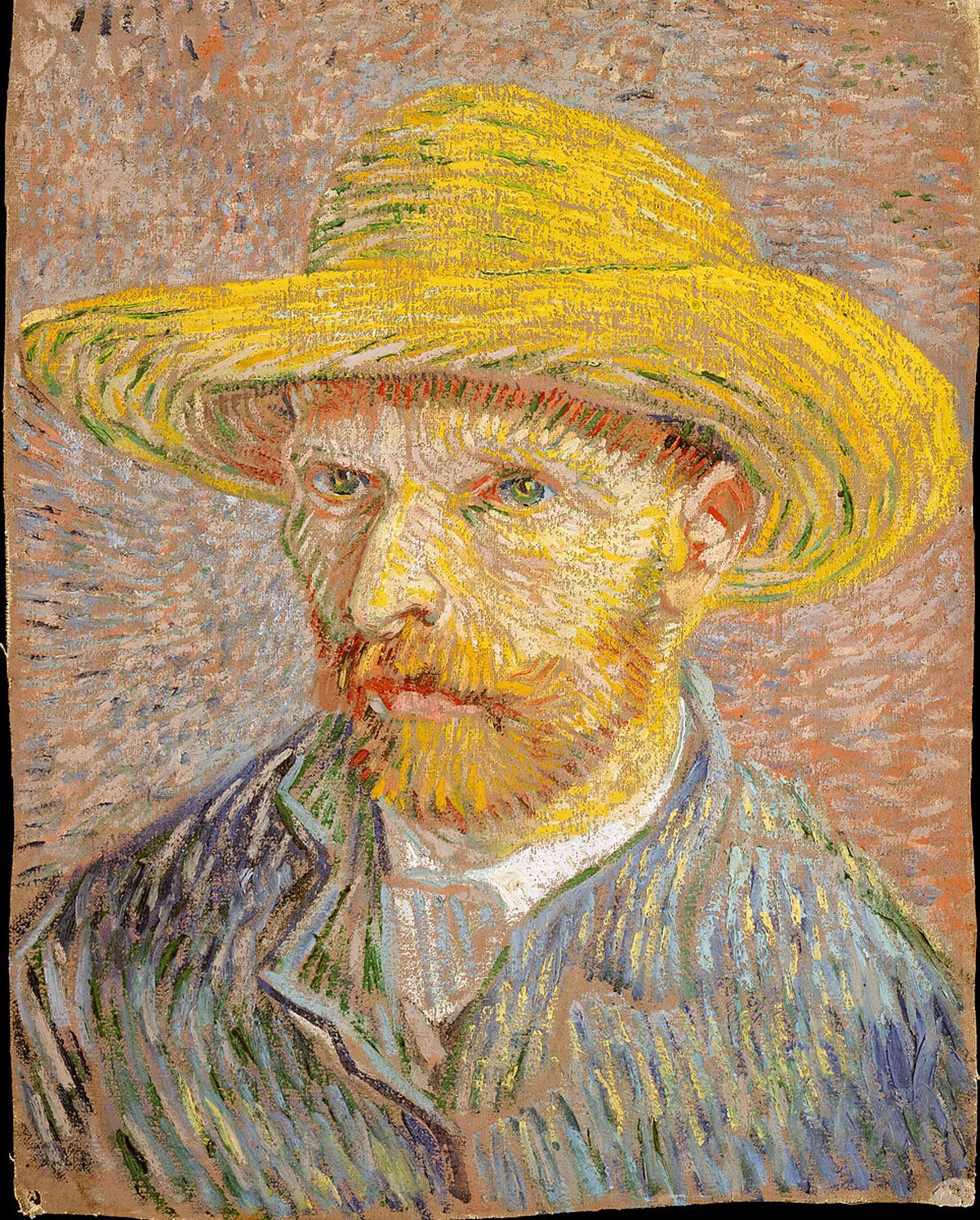
Vincent van Gogh
Vincent van Gogh (1853–1890) was a Dutch Post-Impressionist painter whose emotionally evocative and vividly colored works have made him one of the most influential and celebrated artists in history. Despite his profound impact on modern art, van Gogh’s life was marked by struggle, obscurity, and personal suffering.
Born on March 30, 1853, in Zundert, Netherlands, van Gogh was the son of a Protestant minister. His early career involved various jobs, including working as an art dealer and a missionary. However, his deepening interest in art led him to pursue painting full-time in his late twenties. Initially inspired by Realism and the work of Dutch masters, van Gogh later incorporated the vibrant colors and expressive brushwork of Impressionism and Neo-Impressionism into his own unique style.
Van Gogh's work explores themes of nature, human dignity, and spiritual yearning, often reflecting his intense inner life. His most famous paintings include The Starry Night, Sunflowers, The Bedroom, and Wheatfield with Crows. His use of bold, swirling strokes and emotionally charged color created a visual language that was revolutionary in its time.
Throughout his life, van Gogh struggled with mental illness, which led to periods of hospitalization and a fraught relationship with his surroundings. His brother, Theo, provided both emotional and financial support, sustaining van Gogh’s artistic pursuits despite a lack of commercial success. Van Gogh completed over 2,000 works in his short career, including around 900 paintings and 1,100 drawings.
On July 29, 1890, at the age of 37, van Gogh died from a gunshot wound, widely believed to be self-inflicted. He was largely unrecognized during his lifetime, selling only a few works. However, posthumously, his art gained worldwide acclaim, cementing his legacy as a pioneer of modern art and an enduring symbol of artistic passion and resilience.