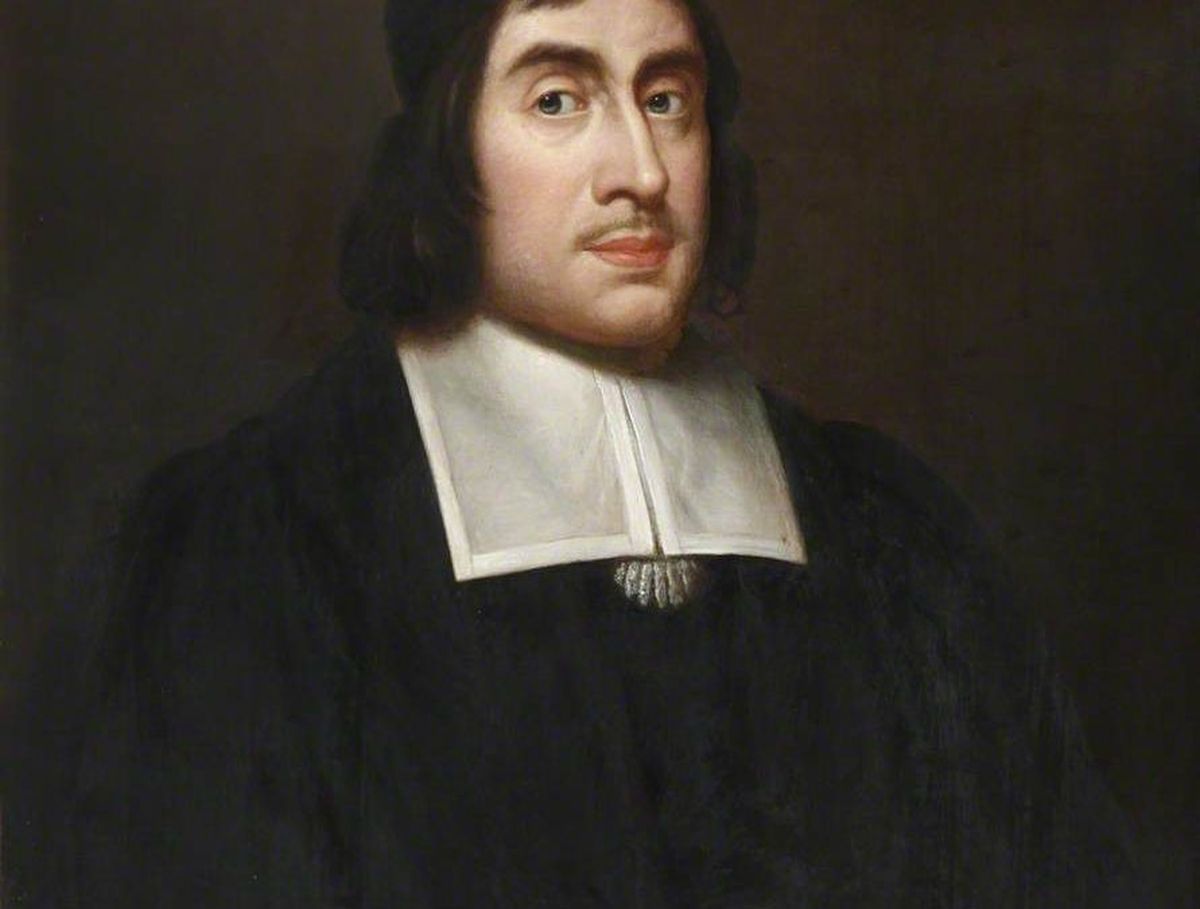
Thomas Watson
Thomas Watson (c. 1620–1686) was an English Puritan preacher and theologian, renowned for his deeply pastoral writings and his commitment to the Reformed tradition. Born in England, Watson’s early life is largely unrecorded, but his influence grew significantly during the tumultuous years of the 17th century. As a member of the Puritan movement, Watson became one of its most eloquent and influential voices, emphasizing the importance of personal piety, holiness, and the gospel’s transformative power.
Watson served as a pastor at St. Stephen’s Church in Walbrook, London, where he became known for his powerful preaching and pastoral care. His commitment to the Scriptures and the doctrines of grace was central to his ministry, and he became a significant figure within the Puritan and broader Reformed communities. After the Great Ejection of 1662, when many Puritan ministers were removed from their pulpits by the Act of Uniformity, Watson continued to preach, though outside the established church.
As a writer, Watson was prolific, with his works remaining influential in Christian thought even to this day. His most famous writings include The Body of Divinity, a systematic theology that remains a classic in Reformed circles, and A Serious Call to a Devout and Holy Life, which challenges believers to live out their faith with seriousness and dedication. Watson’s works are known for their depth, clarity, and practical application of biblical truths to everyday life.
Watson's legacy as a theologian and pastor continues to impact the church, particularly in the areas of pastoral ministry, spiritual formation, and Reformed theology. His emphasis on personal holiness, the pursuit of godliness, and the sufficiency of Scripture remains an enduring influence in Christian circles around the world.
![[The Lord’s Supper] is a visible sermon.](https://images.unsplash.com/photo-1648086530449-43dc2cceecc3?ixid=M3w1NzU0OTZ8MHwxfHNlYXJjaHwxMHx8bG9yZCUyN3MlMjBzdXBwZXJ8ZW58MHwwfHx8MTcxMjYyNDIwNHww&ixlib=rb-4.0.3&q=80&auto=compress&fit=crop&w=200&h=200)