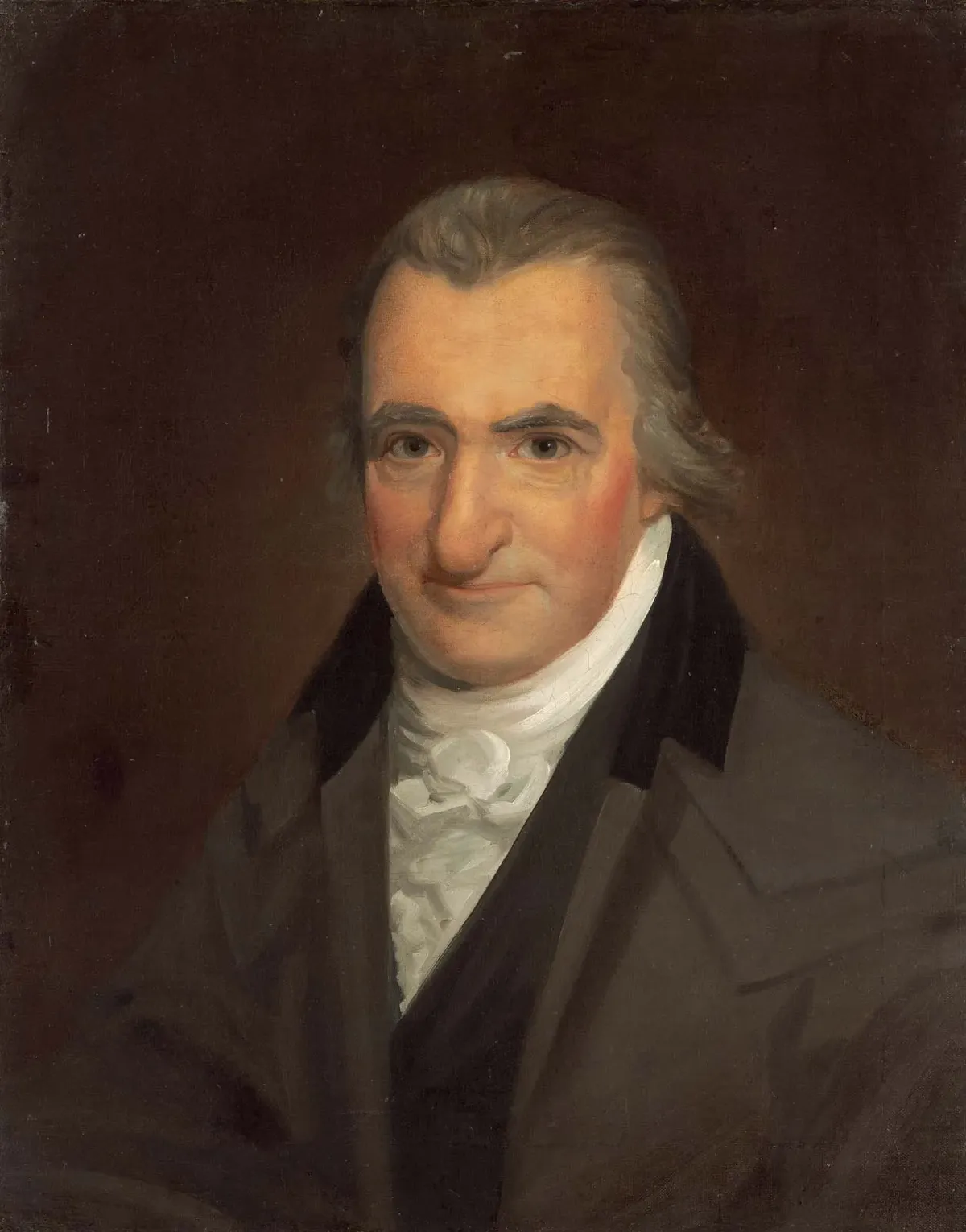
Thomas Paine
Thomas Paine (1737–1809) was an influential political activist, philosopher, and writer whose works played a pivotal role in shaping the American Revolution and the formation of democratic ideals. Born in Thetford, England, Paine emigrated to America in 1774, where his writings would become crucial in inspiring the colonies to seek independence from Britain.
Paine’s most famous work, Common Sense (1776), was a passionate pamphlet advocating for American independence. It resonated deeply with the public, providing a clear and compelling argument for breaking free from British rule. The pamphlet, written in plain language, argued that independence was not only desirable but necessary for the future prosperity of the American colonies. It sold over 500,000 copies, and its influence cannot be overstated in galvanizing public opinion for the Revolutionary cause.
Paine's contributions to the American Revolution continued with his series of pamphlets known as The American Crisis. The first pamphlet in the series, published in December 1776, famously begins with "These are the times that try men’s souls," offering encouragement and support to American soldiers and citizens during the darkest days of the war. His writings helped bolster morale and strengthen resolve during the conflict.
After the Revolution, Paine’s political ideas evolved, and his writings, such as The Rights of Man (1791), advocated for universal human rights, social welfare, and the abolition of monarchy. Though he was initially celebrated in both America and France, Paine’s radical ideas later led to political isolation, and he faced criticism from both sides of the Atlantic.
Thomas Paine died in relative obscurity in 1809, but his legacy endures as a champion of liberty, equality, and democracy. His works remain a key part of the intellectual foundation of the United States and the broader fight for human rights.