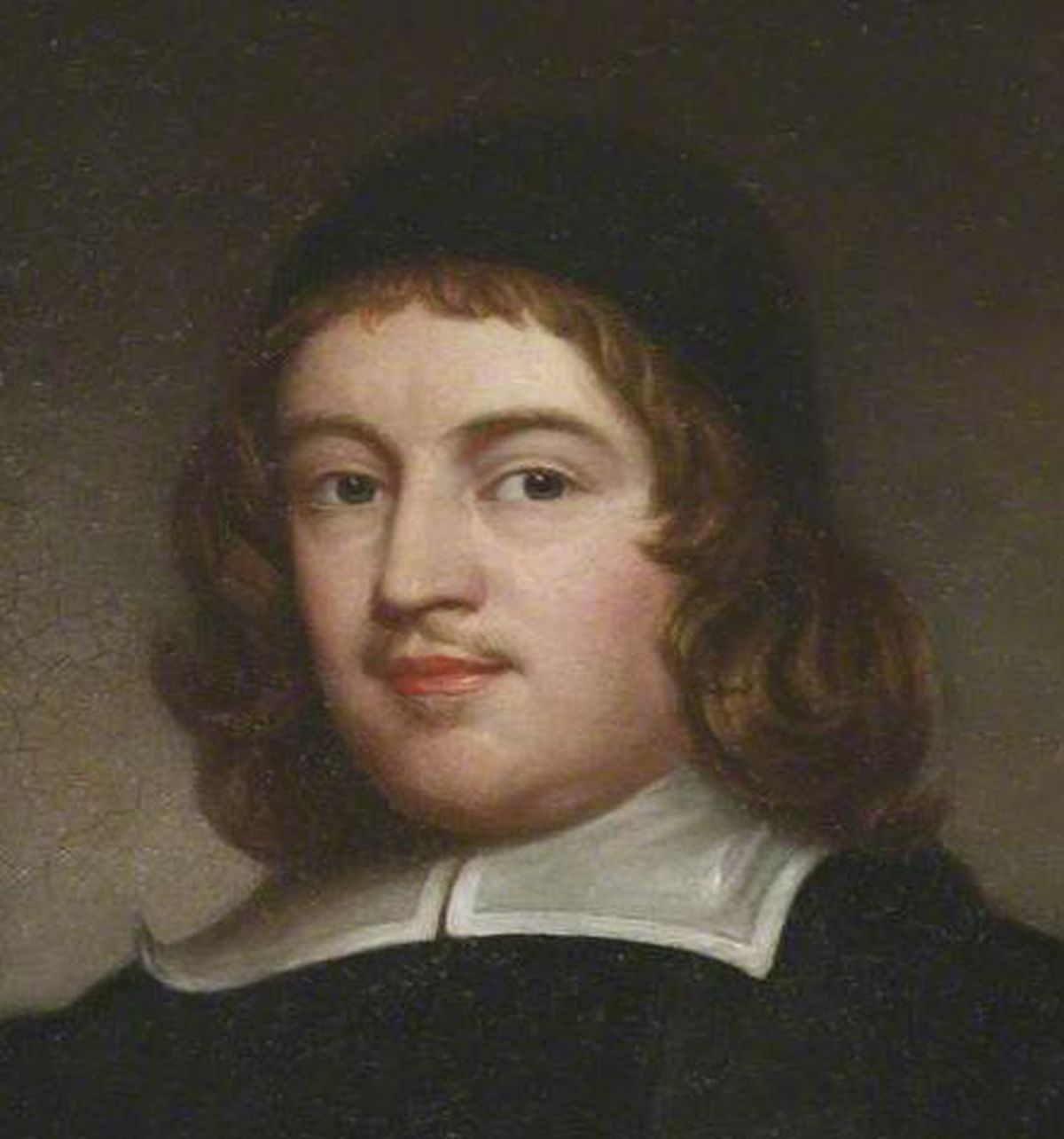
Thomas Manton
Thomas Manton (1620–1677) was a prominent English Puritan preacher and theologian known for his profound expository preaching and commitment to the authority of Scripture. Born in Somerset, England, Manton demonstrated an early aptitude for theology and biblical studies. He earned his education at Wadham College, Oxford, where he developed a deep understanding of Reformed theology and the principles of Puritanism.
Manton began his ministry as a parish priest in Stoke Newington and later served as the rector of St. Paul's, Covent Garden, in London. His sermons were highly regarded for their clarity, depth, and practical application, drawing large audiences and earning him respect among Puritan leaders. During the English Civil War and Interregnum, he became a key figure in the Puritan movement, advocating for religious reform and the spiritual renewal of the Church of England.
In 1653, Manton was appointed chaplain to Oliver Cromwell, though he maintained a moderate stance, avoiding radical political entanglements. He later played a significant role in the Westminster Assembly, contributing to the drafting of the Westminster Confession of Faith and Catechisms, foundational documents of Reformed theology.
Following the Restoration of the monarchy in 1660, Manton was ejected from his pulpit under the Act of Uniformity, part of the persecution of nonconformist ministers. Despite this, he continued to preach and write, producing extensive works, including expositions on James, Jude, and Psalm 119, which remain influential in Reformed theology.
Thomas Manton was known for his unwavering commitment to biblical fidelity, pastoral care, and the spiritual growth of his congregation. His writings continue to inspire and edify believers today. Manton’s life exemplified steadfast faithfulness in the face of adversity, leaving a lasting legacy in the history of Puritanism and the broader Christian church.


![[At Calvary] Satan triumphed visibly,](https://images.unsplash.com/photo-1610300015782-57661d419c6a?ixid=M3w1NzU0OTZ8MHwxfHNlYXJjaHwxfHxUaGUlMjBDcm9zc3xlbnwxfDJ8fHwxNzEwNTM0MDg2fDA&ixlib=rb-4.0.3&q=80&auto=compress&fit=crop&w=200&h=200)

