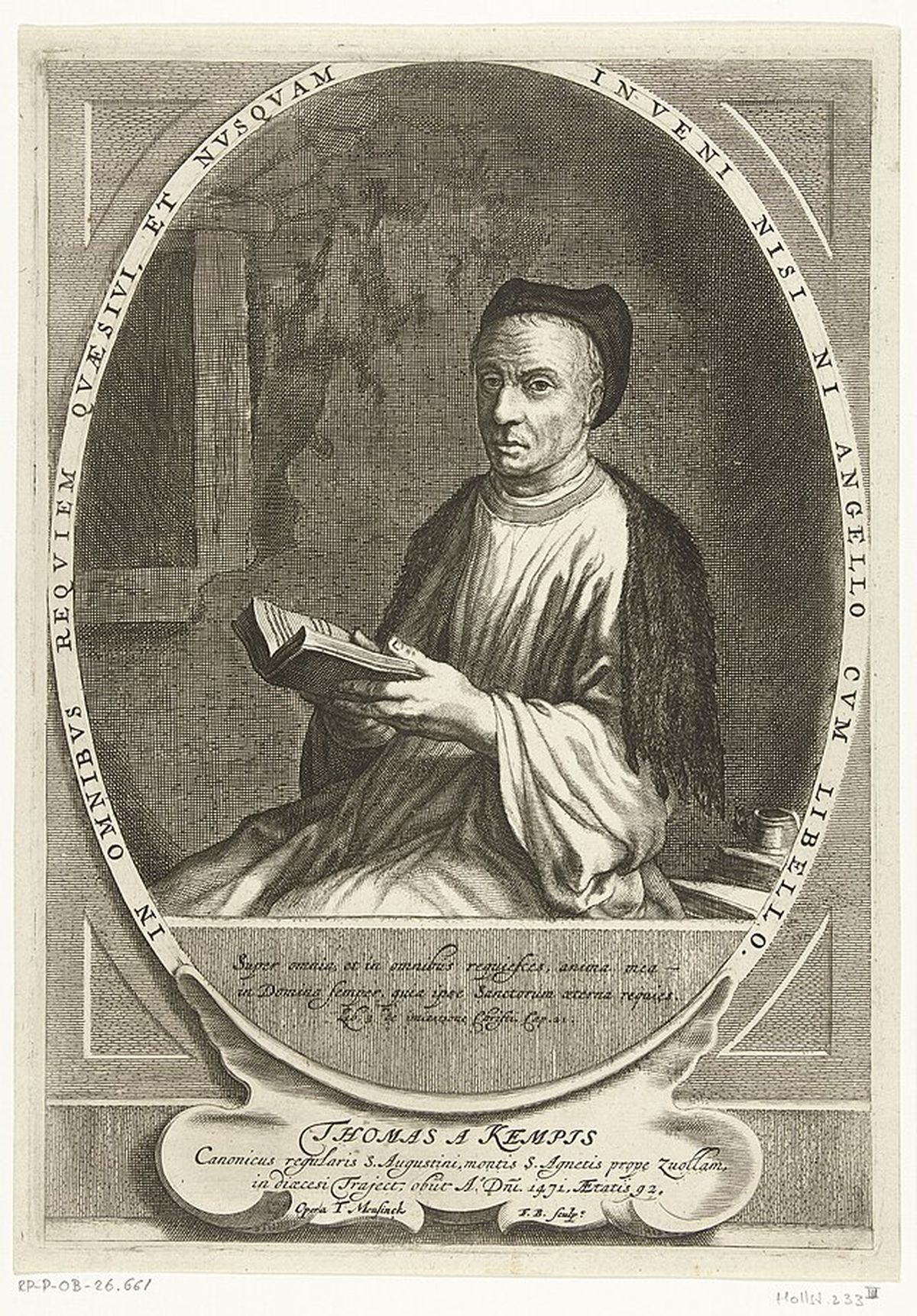
Thomas à Kempis
Thomas à Kempis (c. 1380–1471) was a Dutch Augustinian monk, theologian, and writer, renowned for his enduring contributions to Christian spirituality. He is best known for his spiritual classic The Imitation of Christ, a work that has inspired generations of believers and remains one of the most widely read and influential devotional books in history. Born in Kempen, Germany, around 1380, à Kempis entered the Monastery of Mount St. Agnes near Zwolle at a young age, where he devoted himself to a life of prayer, reflection, and service.
As a member of the Augustinian order, à Kempis embraced a life of simplicity, humility, and self-denial, which he believed were essential for cultivating a deeper relationship with God. His spiritual writings reflect a profound understanding of Christian mysticism, offering practical guidance on how to live out the teachings of Christ in everyday life. In The Imitation of Christ, à Kempis explores themes such as the nature of true humility, the need for self-examination, and the importance of detachment from worldly desires. Through its clear, accessible language, the book encourages readers to pursue a life of personal devotion, focusing on inner transformation and closeness with God rather than external achievements.
À Kempis’ influence on Christian devotional literature is vast, with his works shaping the spiritual practices of countless believers across centuries. His writings were instrumental in the development of the mystic tradition in the Western Church, helping to lay the groundwork for later movements of spiritual renewal. In addition to The Imitation of Christ, he authored other theological and spiritual works that emphasize the importance of prayer, meditation, and living a Christ-centered life.
Thomas à Kempis’ legacy endures through his profound commitment to Christian spirituality, his simple yet powerful message of humility, and his unwavering devotion to the imitation of Christ.