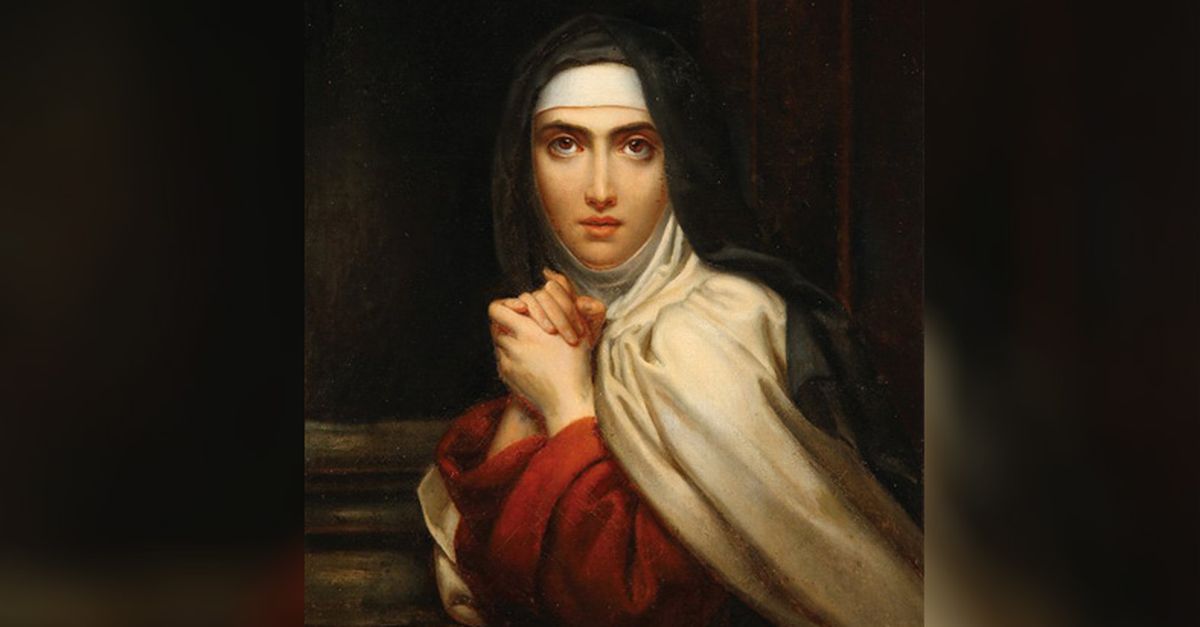
Teresa of Avila
Saint Teresa of Ávila (1515–1582) was a Spanish Carmelite nun, mystic, theologian, and reformer whose writings and spiritual insights have had a profound impact on Christian mysticism and Catholic spirituality. Born in Gotarrendura, Spain, Teresa entered the Carmelite order at the age of 20, experiencing both intense spiritual joy and deep inner struggles that would shape her life and work. She is one of the most influential women in Christian history, known for her deep commitment to prayer, her mystical experiences, and her role in the reform of the Carmelite order.
Teresa’s spiritual journey was marked by her devotion to a life of prayer and contemplation. After experiencing a series of mystical visions and profound experiences of God’s presence, she wrote extensively about the inner life and the ways in which individuals can experience a closer relationship with God. Her most famous work, "The Interior Castle" (1577), is a guide to the spiritual journey, describing the soul’s progression through stages of prayer and union with God. Her other key writings, "The Way of Perfection" and "The Life of Teresa of Jesus", explore the themes of prayer, humility, and the importance of a disciplined spiritual life.
As a reformer, Teresa worked tirelessly to revitalize the Carmelite order, emphasizing a return to a simpler, more austere life focused on prayer and service. She founded many convents across Spain, establishing the Discalced Carmelites, a reformed branch of the order that adhered to a stricter rule of poverty, silence, and devotion.
Teresa was canonized as a saint in 1614 and later declared a Doctor of the Church in 1970, the first woman to receive this honor. Her legacy endures through her writings, her reforms, and her profound spiritual insight, which continue to guide and inspire Christians seeking deeper communion with God.