Robert Louis Stevenson
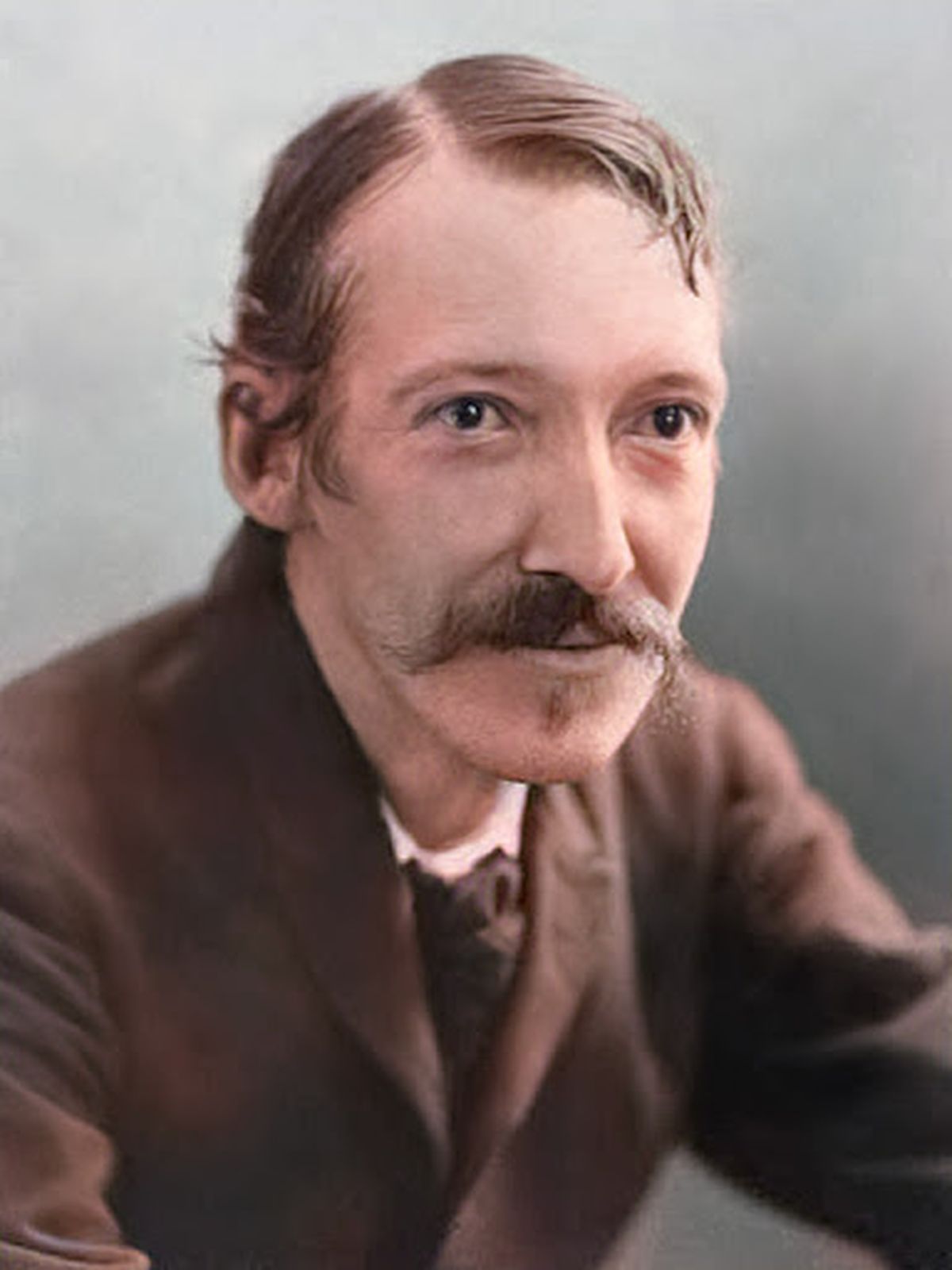
Robert Louis Stevenson (1850–1894)
Robert Louis Stevenson was a celebrated Scottish author, poet, and essayist whose works have captivated readers for generations. Born on November 13, 1850, in Edinburgh, Scotland, Stevenson was the son of a lighthouse engineer, a career he briefly considered before pursuing his passion for literature. Despite lifelong struggles with ill health, Stevenson’s vivid imagination and literary talent propelled him to international acclaim.
Stevenson’s literary career took flight with his travel writings, such as An Inland Voyage (1878) and Travels with a Donkey in the Cévennes (1879), which combined humor, keen observation, and a love of adventure. His breakthrough came with Treasure Island (1883), a timeless adventure tale of pirates and buried treasure that has enthralled readers of all ages. Stevenson further cemented his reputation with works like The Strange Case of Dr. Jekyll and Mr. Hyde (1886), a chilling exploration of duality and morality, and Kidnapped (1886), a historical adventure set in 18th-century Scotland.
A master storyteller, Stevenson excelled in creating unforgettable characters and richly detailed settings. His poetic works, including A Child’s Garden of Verses (1885), reflect a lyrical simplicity and nostalgic charm that continue to resonate with readers.
Stevenson’s wanderlust led him to live in various parts of the world, including the United States and the South Pacific. He spent his final years on the island of Samoa, where he was known as “Tusitala,” or “teller of tales,” by the local people. Stevenson died on December 3, 1894, at the age of 44, leaving behind a legacy of literary treasures.
Renowned for his versatility, wit, and storytelling genius, Stevenson’s works remain a cornerstone of English literature, inspiring readers and writers alike to embark on journeys of imagination and discovery.