Paul S. Fiddes
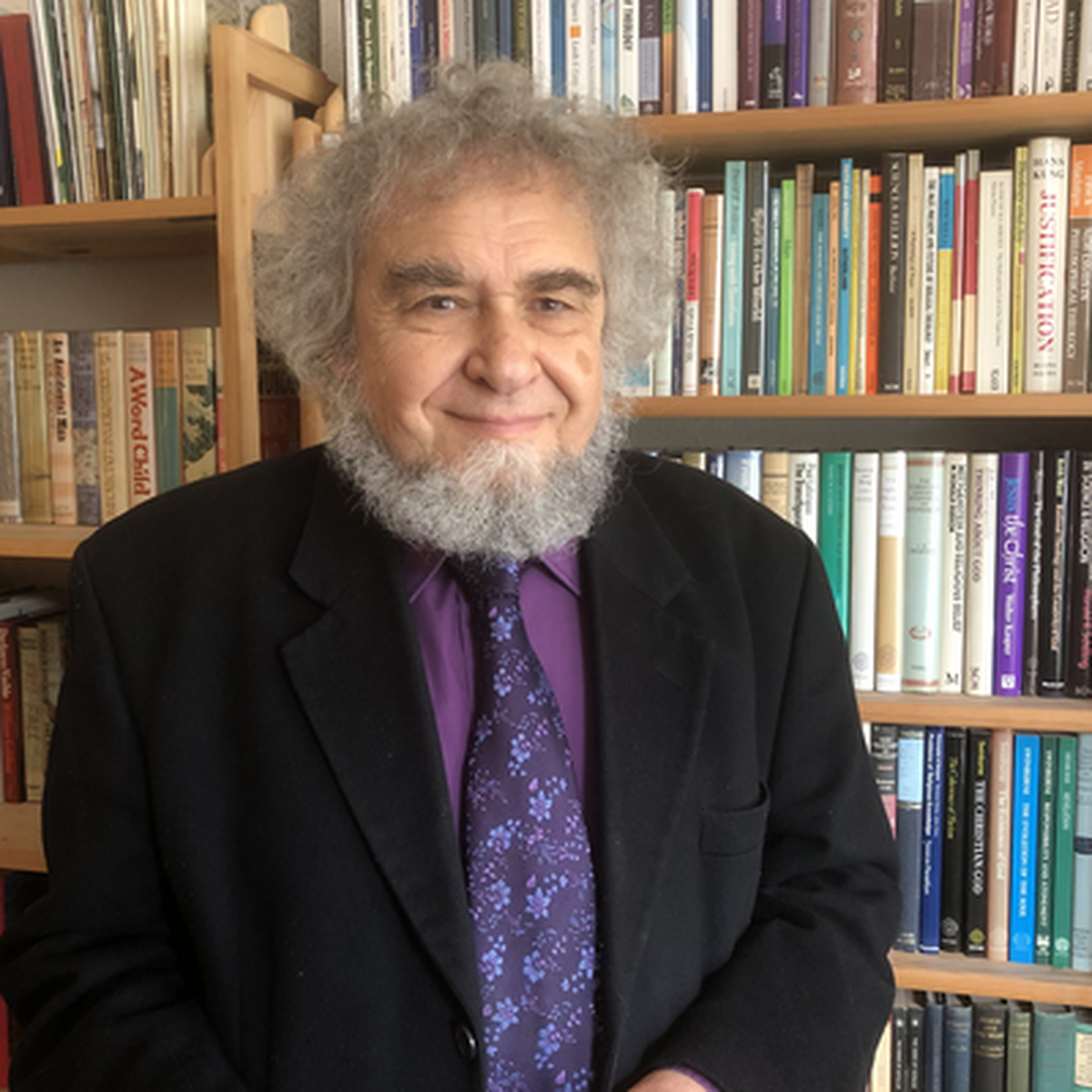
Paul S. Fiddes is a distinguished British theologian and scholar, widely recognized for his contributions to systematic theology, particularly in the areas of the doctrine of the Trinity, Christian ethics, and the nature of divine revelation. Fiddes is the author of several influential works, including The Creative Trinity and Participating in God: A Pastoral Doctrine of the Trinity, where he explores the relational nature of God and how that understanding shapes Christian life and ministry. His work emphasizes the deep connection between theology and pastoral practice, encouraging believers to see God’s activity in the world as inherently relational and participatory.
Fiddes' academic career has spanned several decades, and he has served as a professor of systematic theology at the University of Oxford, where he mentored a new generation of theologians. His academic background, combined with his pastoral experience, has allowed him to approach theological questions with both intellectual rigor and practical sensitivity. Fiddes has been instrumental in engaging with contemporary theological debates, particularly in relation to the development of an ecclesial understanding of the Trinity that is both orthodox and relevant to modern Christian life.
Throughout his career, Fiddes has also contributed to the broader Christian community by participating in conferences and writing articles that seek to address pressing theological concerns in the church today. His emphasis on the importance of doctrine in shaping not only personal faith but also the life of the church has made his work highly regarded among scholars and practitioners alike.
Paul S. Fiddes' contributions to theology have made a lasting impact on the field, particularly in the areas of Trinitarian thought, ecclesiology, and Christian ethics. His writings continue to shape the way theologians and pastors understand God’s nature and His involvement in the world, offering a vision of Christian life rooted in divine relationship and participation.