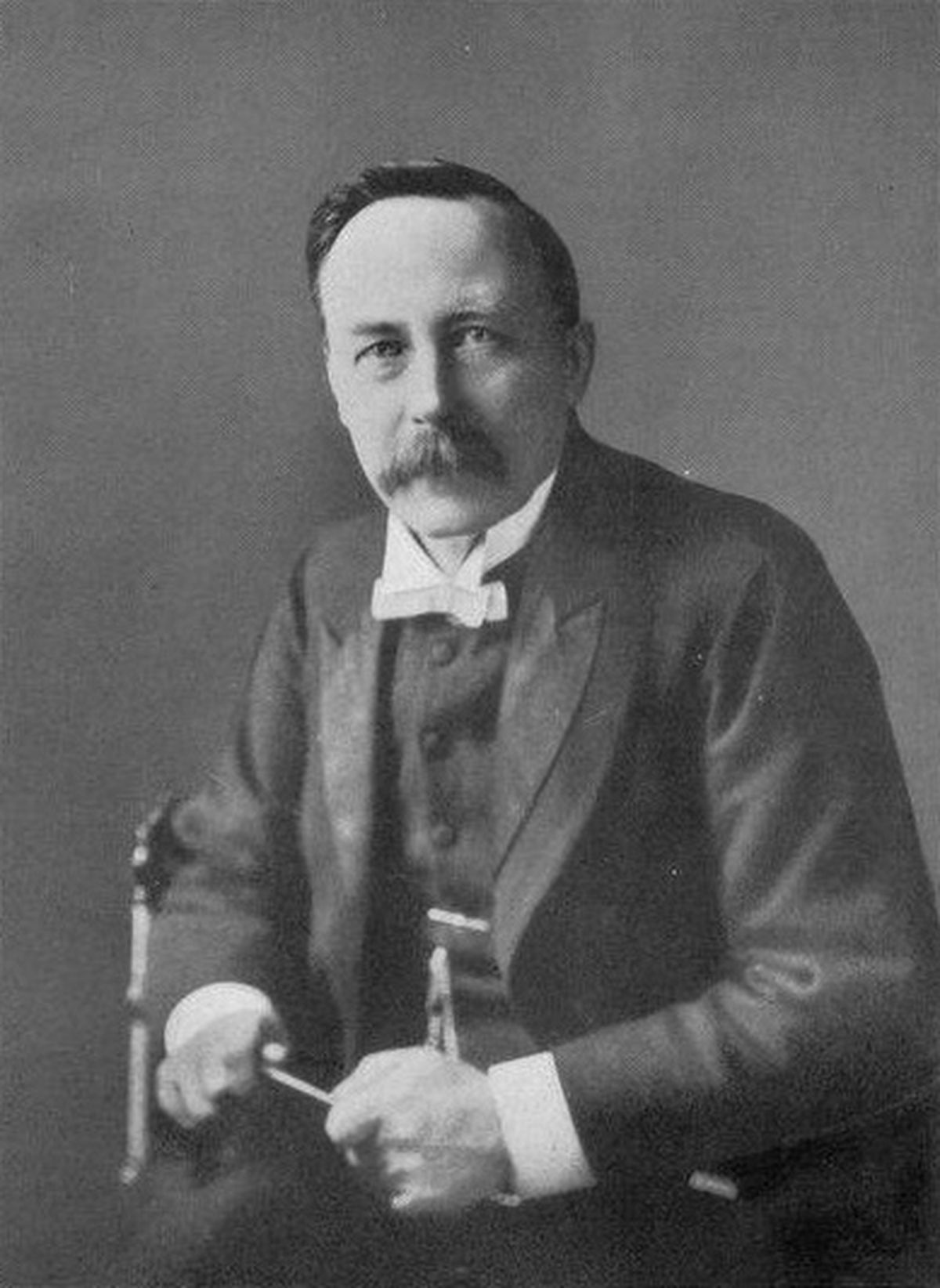
P. T. Forsyth
P. T. Forsyth (1848–1921) was a Scottish theologian, preacher, and writer, widely regarded as one of the most influential Protestant thinkers of the late 19th and early 20th centuries. Known for his profound theological insights, Forsyth’s work remains highly regarded in Reformed and Evangelical circles.
Born in Aberdeen, Scotland, Forsyth was educated at Aberdeen University and later at the University of Edinburgh, where he studied divinity. Early in his ministry, Forsyth became known for his powerful preaching and passionate commitment to the gospel. He served as a pastor in the Church of Scotland before becoming a professor of Systematic Theology at the University of Aberdeen, where he influenced a generation of pastors and theologians.
Forsyth is perhaps best known for his emphasis on the centrality of the cross in Christian theology. His work consistently focused on the doctrine of atonement, exploring how Christ's death on the cross is the key to understanding both the nature of God and human salvation. One of his most influential works, The Cruciality of the Cross (1910), argues that the cross is the pivotal moment in history, bringing together God's justice and mercy. Forsyth believed that a true understanding of Christianity must begin with Christ's sacrificial death and the reality of God’s redemptive work.
In addition to his contributions to systematic theology, Forsyth was concerned with the practical implications of faith. He stressed the importance of spiritual renewal, holiness, and the need for the Church to be an instrument of moral and social change in the world. His work shaped a variety of theological disciplines, including missiology, ethics, and ecclesiology.
P. T. Forsyth’s legacy endures through his influential writings, which continue to shape contemporary theological discussions on the atonement, the Church, and the life of faith. His insights remain a significant part of the Reformed tradition today.