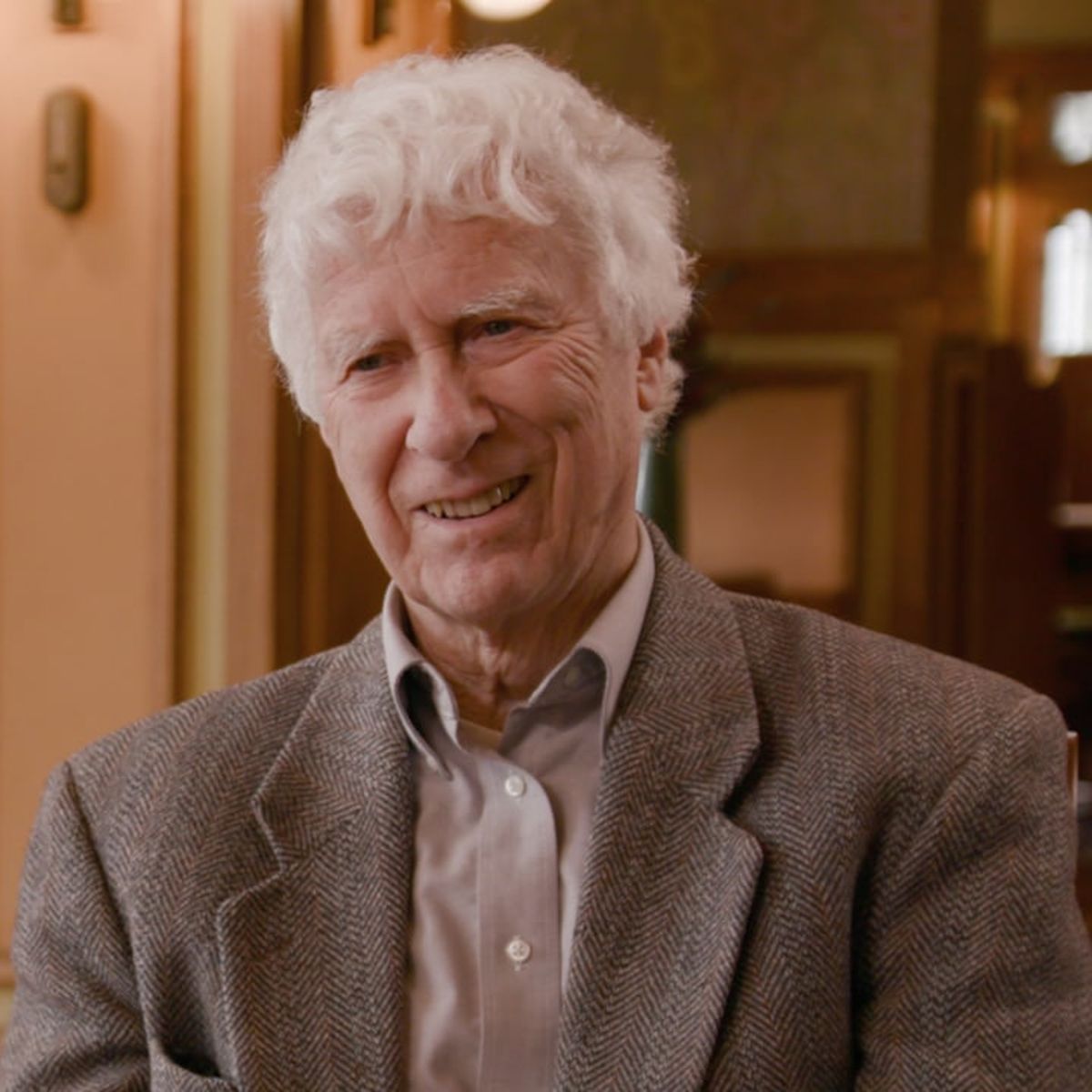
Nicholas Wolterstorff
Nicholas Wolterstorff is a prominent American philosopher, theologian, and author, widely recognized for his contributions to the philosophy of religion, Christian thought, and social justice. Born in 1932 in the United States, Wolterstorff has spent much of his academic career exploring the intersection of faith, philosophy, and justice, offering a unique voice in contemporary Christian scholarship.
Wolterstorff earned his academic credentials from Harvard University, where he studied under notable philosophers and theologians. His career has included teaching positions at several institutions, most notably at Yale University and Calvin College, where he served as a professor of philosophy. His scholarly work spans a wide array of topics, including aesthetics, political philosophy, and the philosophy of education, with a particular focus on the role of justice and human rights in a Christian context.
Wolterstorff's thought is deeply influenced by his Christian faith, and he has consistently advocated for a vision of justice grounded in biblical principles. His influential works, such as Justice: Rights and Wrongs (2008) and The God We Worship (2011), explore the nature of justice, human rights, and the relationship between God and humanity. His approach emphasizes the importance of both individual and communal flourishing and calls for a moral commitment to justice in both the personal and societal spheres.
In addition to his work on justice, Wolterstorff has made significant contributions to the philosophy of aesthetics, particularly in understanding the role of beauty and art in human life. His book Art in Action (1980) explores the relationship between art, culture, and Christian belief, asserting that art plays a vital role in human existence and spiritual growth.
Through his extensive writing, teaching, and activism, Nicholas Wolterstorff has left a lasting impact on Christian thought and philosophy. He continues to be an influential voice in the realms of justice, ethics, and the integration of faith with intellectual life.
![[I prayed to God,] “But why don’t you](https://a-us.storyblok.com/f/1016915/1200x933/f6898dcd89/waiting-on-god.jpg/m/200x200/smart)