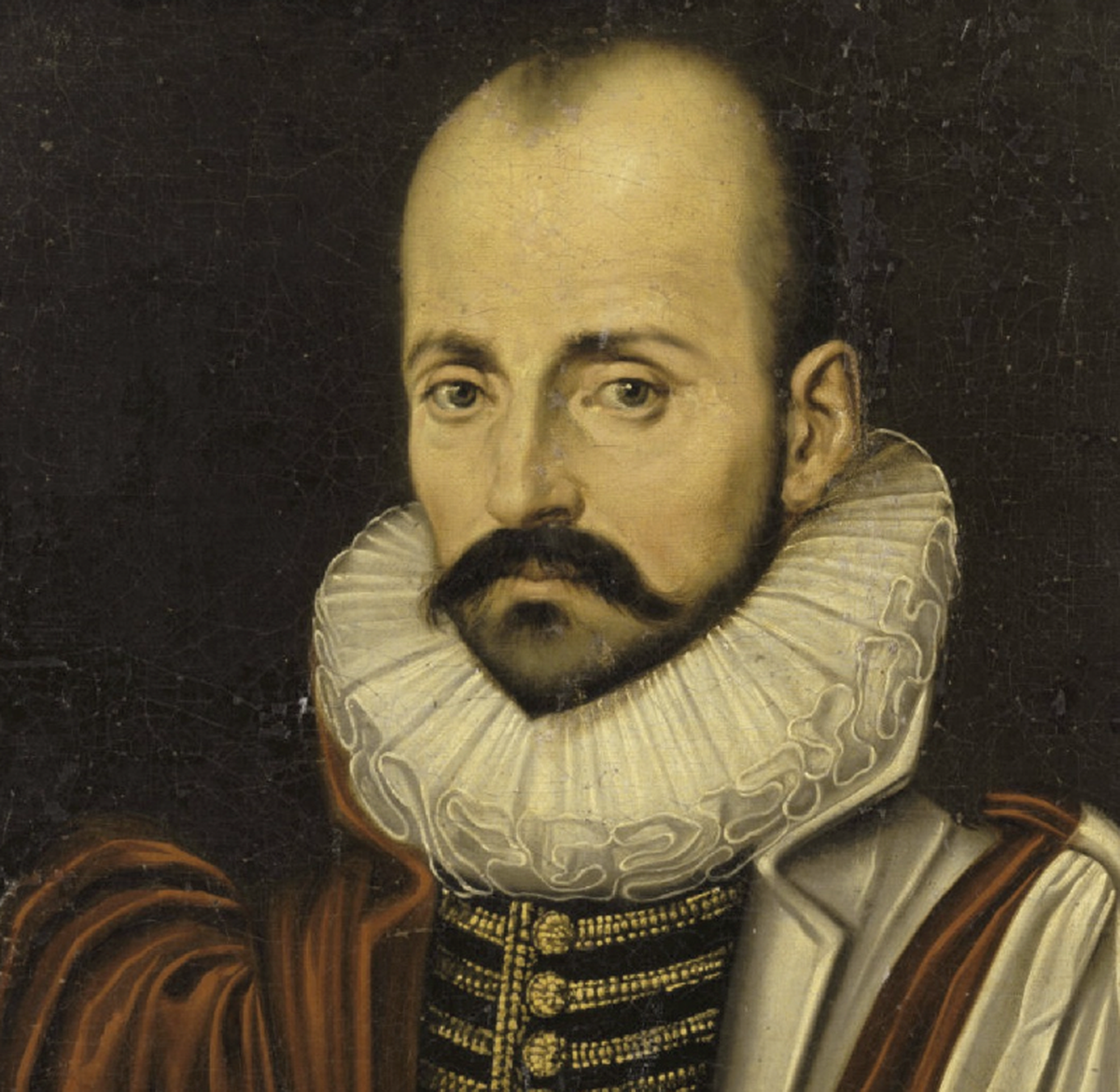
Michel de Montaigne
Michel de Montaigne (1533–1592) was a French philosopher, writer, and statesman, best known for developing the literary form of the essai (essay). Born into a wealthy family in the Bordeaux region of France, Montaigne received an education that combined humanist learning with the practical skills needed to manage his family's estate and serve in public office. His early life was marked by a curiosity about the human condition, and this fascination would later lead him to create one of the most influential works of the Renaissance.
Montaigne's most famous work, Essays, was first published in 1580 and expanded throughout his life. The Essays cover a wide range of topics, including philosophy, religion, education, friendship, and personal reflection. Through this collection, Montaigne introduced a new form of introspective writing that blended personal anecdote with philosophical inquiry. His work is known for its informal tone, self-exploration, and willingness to question societal norms and accepted truths. He sought to understand not just the world around him but also his own mind and experiences.
Montaigne's philosophy was marked by skepticism and a deep interest in human limitations. He famously said, "What do I know?"—a reflection of his belief that human beings are incapable of certain knowledge, which led him to reject dogmatic truths in favor of open-minded inquiry. This perspective was profoundly influential, impacting later thinkers such as René Descartes, Jean-Jacques Rousseau, and Friedrich Nietzsche.
Beyond his literary work, Montaigne served as a public official, including as the mayor of Bordeaux. He was known for his calm and balanced approach to governance, as well as his commitment to tolerance during a time of religious conflict in France.
Montaigne's Essays remain a foundational text in Western literature, and his reflections on life, doubt, and the self continue to inspire readers and thinkers today.