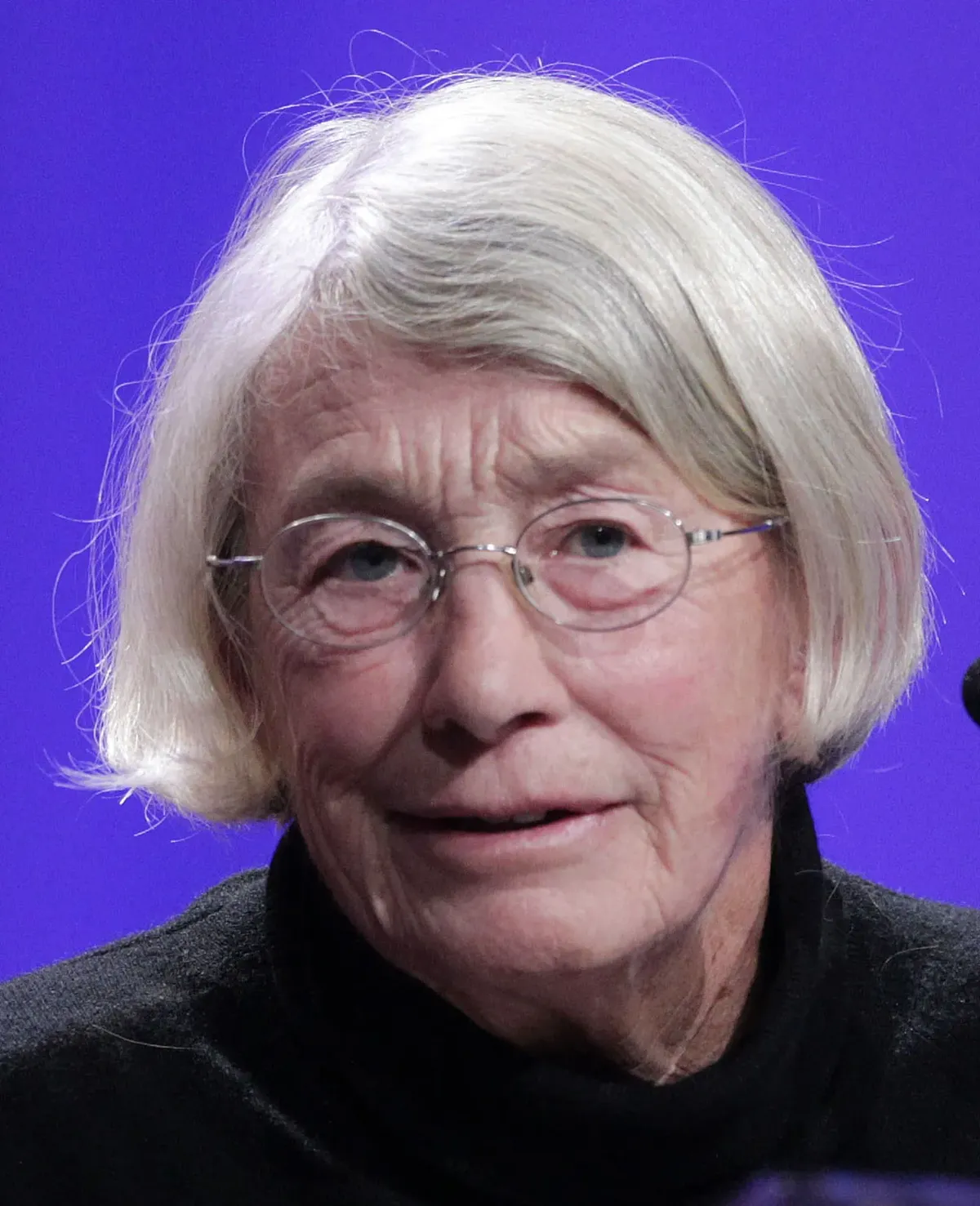
Mary Oliver
Mary Oliver (1935–2019) was an acclaimed American poet and essayist whose work celebrated the beauty of nature, the power of mindfulness, and the profound connections between the human spirit and the natural world. Known for her accessible yet deeply contemplative writing, Oliver earned widespread admiration for her ability to find wonder in ordinary moments and her reverence for the environment.
Born on September 10, 1935, in Maple Heights, Ohio, Oliver spent much of her childhood exploring the woods and fields near her home, experiences that would profoundly shape her poetic voice. She began writing poetry at a young age and was heavily influenced by writers such as Walt Whitman and Emily Dickinson. Oliver attended Vassar College and Ohio State University, though she did not graduate. Her independent spirit and devotion to her craft led her to a career as a poet, beginning with her debut collection, No Voyage and Other Poems (1963).
Throughout her career, Oliver published more than 20 volumes of poetry and prose, earning critical acclaim and numerous accolades, including the Pulitzer Prize for American Primitive (1984) and the National Book Award for New and Selected Poems (1992). Her poetry often explores themes of nature, love, spirituality, and mortality, with some of her most celebrated works, such as “Wild Geese” and “The Summer Day,” encouraging readers to embrace wonder and live fully.
Oliver’s writing is characterized by its simplicity, clarity, and profound connection to the natural world. She often wrote while walking in nature, reflecting on the mysteries of life and the divine.
Mary Oliver spent the latter part of her life in Provincetown, Massachusetts, where she continued to draw inspiration from the coastal landscapes. Her legacy endures as one of the most beloved and widely read poets of the 20th century, inspiring readers to cherish the beauty of life and the world around them.