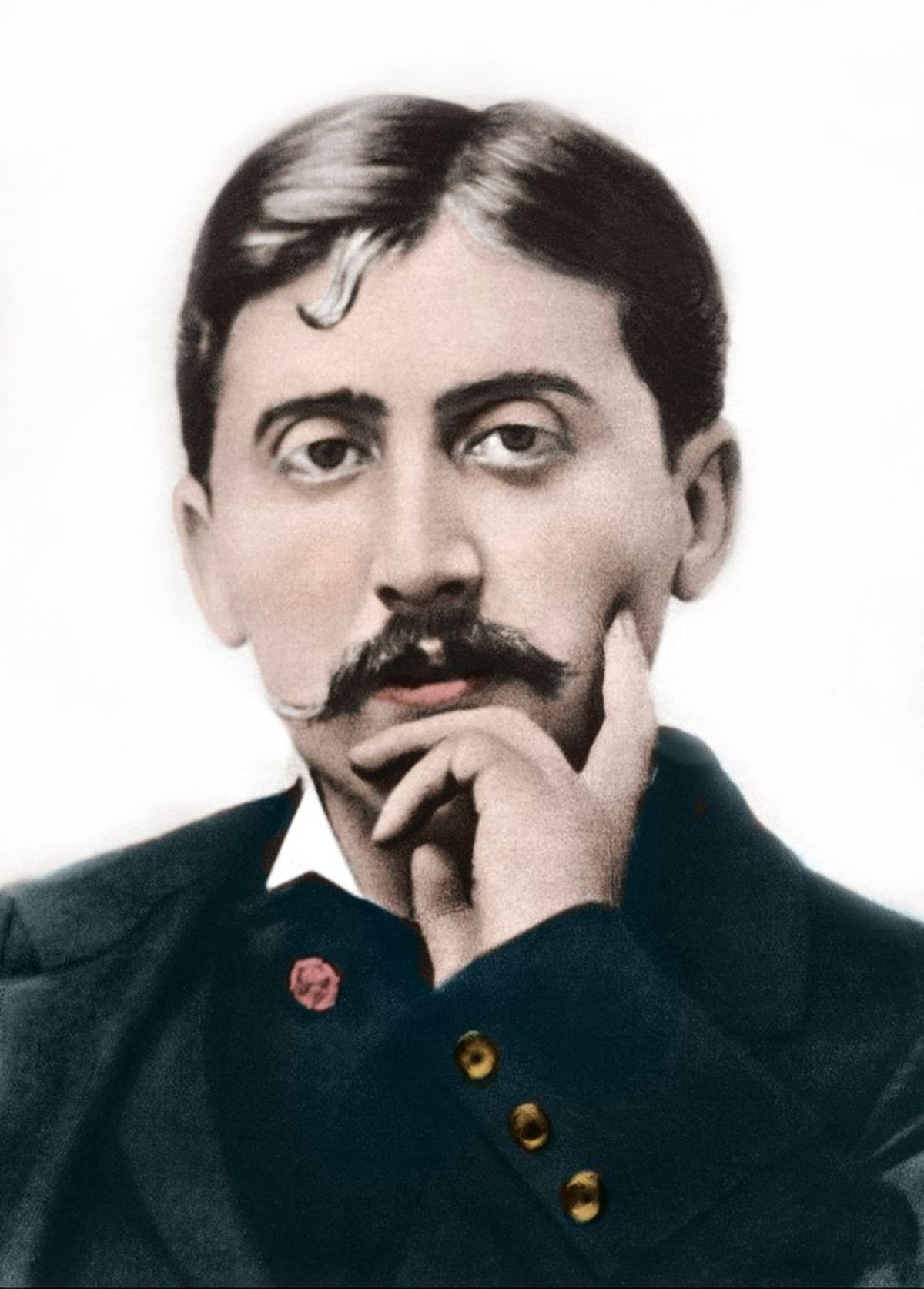
Marcel Proust
Marcel Proust (1871–1922) was a French writer, best known for his monumental work À la recherche du temps perdu (In Search of Lost Time), a seven-volume novel often regarded as one of the greatest literary achievements of the 20th century. Born into an upper-middle-class family in Paris, Proust lived a life marked by health struggles, social complexities, and a profound sensitivity to the world around him. His aristocratic background, though a source of privilege, also fueled his keen observations of French society and its intricacies, which would later be reflected in his writing.
Proust's writing is famous for its intricate exploration of memory, time, and human experience. In Search of Lost Time, which spans over 4,000 pages, centers on the narrator’s quest to understand the past and the passage of time. Through the narrator's introspections and vivid recollections, Proust delves into themes of love, art, society, and the fleeting nature of existence. One of the most iconic scenes in the work is the narrator's experience of "recovering" memory through the taste of a madeleine dipped in tea—a moment that encapsulates his complex reflections on memory and sensory perception.
Despite being a prolific writer, Proust's health issues, particularly asthma, caused him to spend much of his life in isolation, often working in his small, darkened room. He wrote tirelessly, often revising and refining his work. His writing was not widely recognized during his lifetime but gained considerable acclaim after his death, influencing generations of writers and thinkers.
Today, Marcel Proust is regarded as one of the most important novelists in modern literature. His focus on the subjective experience and the philosophical implications of memory and time continues to captivate readers and scholars, cementing his legacy as a master of literary innovation.


