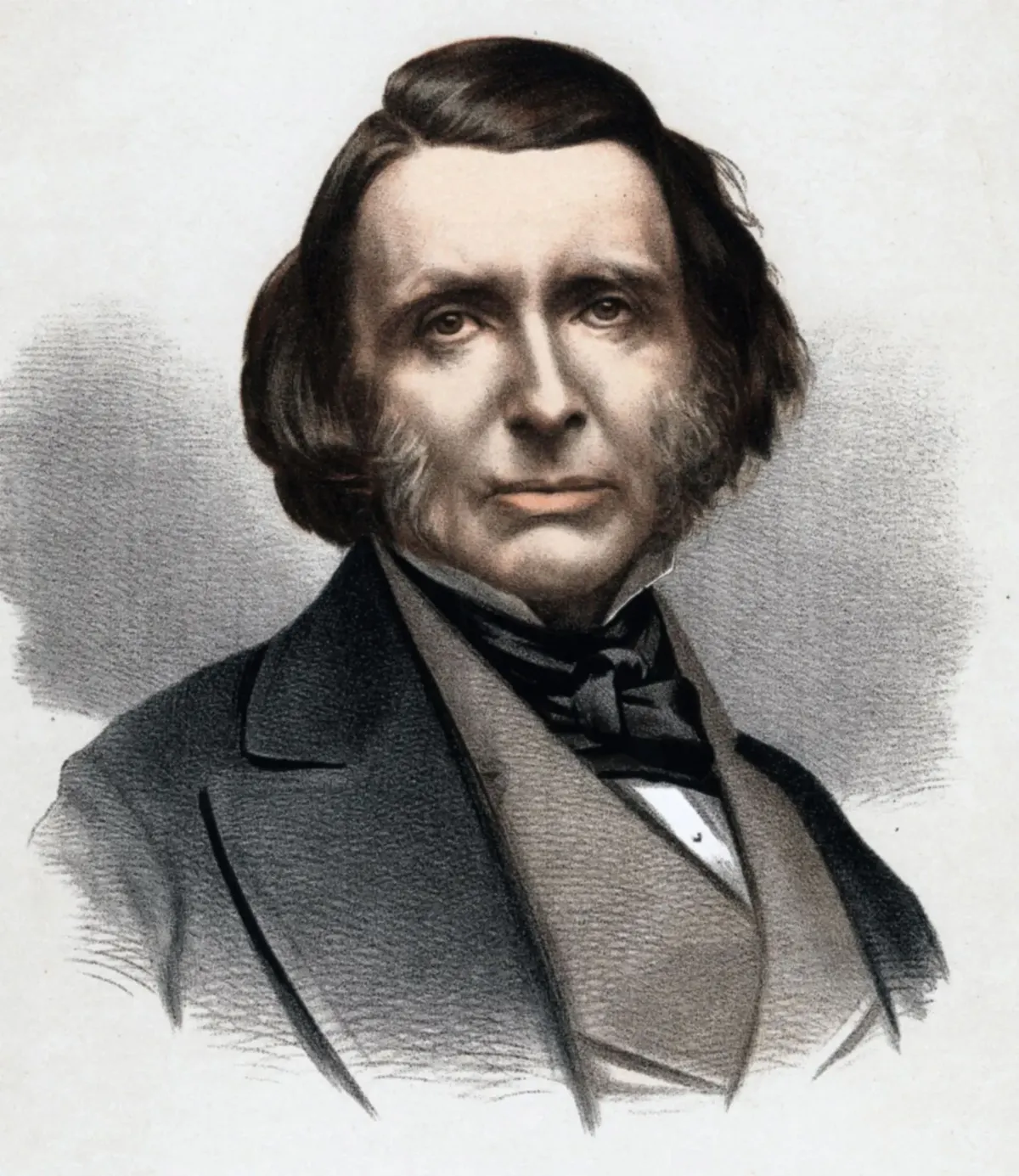
John Ruskin
John Ruskin (1819–1900) was a renowned English art critic, social thinker, artist, and writer whose work profoundly influenced Victorian culture and beyond. Known for his eloquent prose and passionate advocacy for art, nature, and social reform, Ruskin became one of the most prominent intellectual figures of his era. His wide-ranging interests spanned art, architecture, literature, education, and social justice, making him a polymath whose legacy endures in various fields.
Ruskin’s early acclaim came through his writings on art and architecture, particularly in works like Modern Painters (1843–1860) and The Seven Lamps of Architecture (1849). He championed the works of J.M.W. Turner and the Pre-Raphaelite Brotherhood, emphasizing the importance of truth to nature and the moral value of art. His ideas challenged prevailing aesthetic norms, encouraging a deeper appreciation for craftsmanship and the integration of beauty with utility.
As a social thinker, Ruskin critiqued the dehumanizing effects of industrialization in works like Unto This Last (1860), advocating for economic justice, workers' dignity, and environmental conservation. His visionary ideas inspired leaders of the Arts and Crafts Movement and informed early discussions on sustainability and urban planning.
Ruskin was also an accomplished artist and educator. His delicate drawings and watercolors demonstrated his keen observation of nature, while his lectures and founding of institutions like the Ruskin School of Drawing in Oxford sought to cultivate creativity and moral insight in students.
Despite personal struggles and controversy over his progressive views, Ruskin’s contributions left a lasting imprint on art, education, and social reform. His belief that art and society are interwoven continues to inspire conversations about the role of beauty, ethics, and justice in human flourishing.