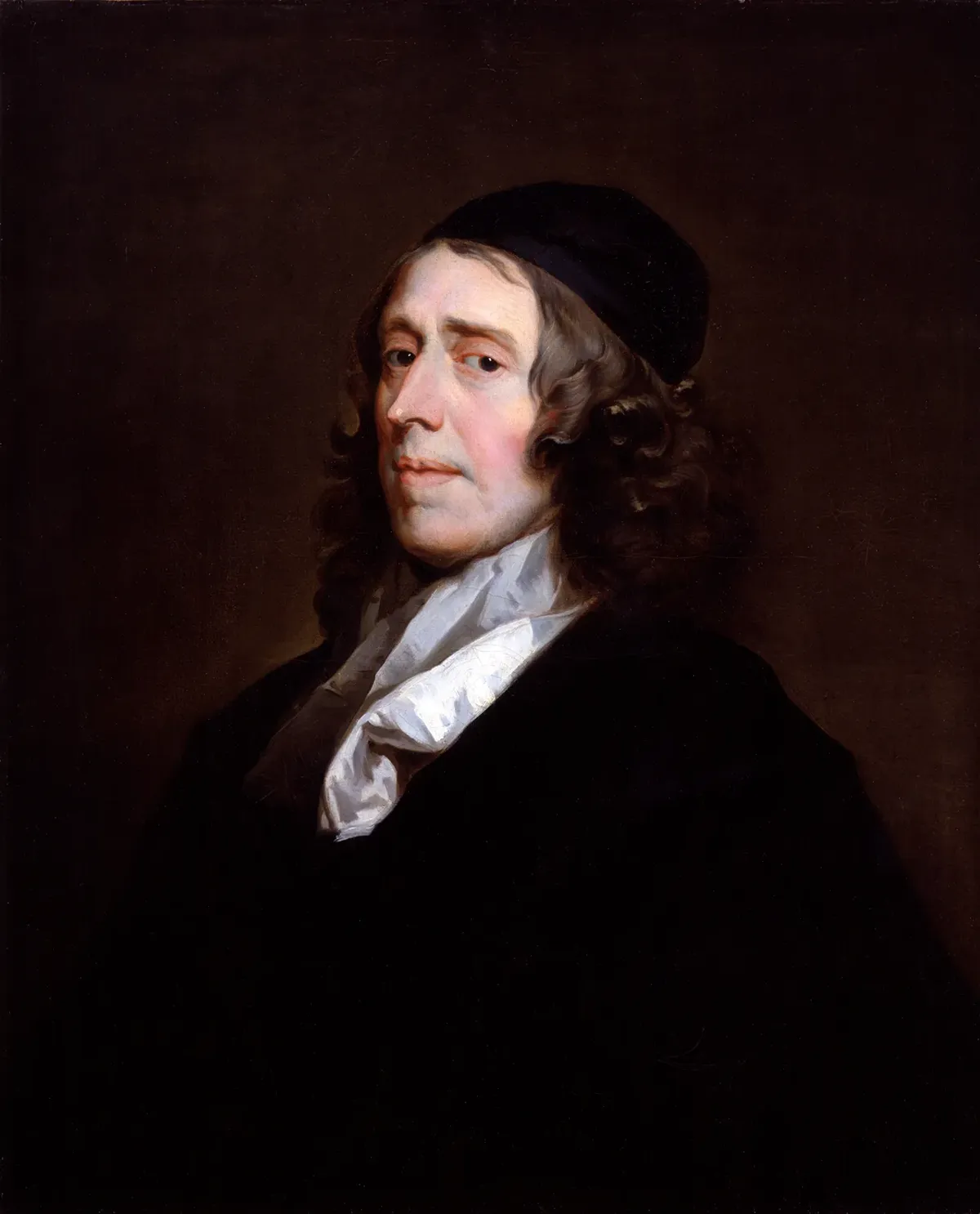
John Owen
John Owen (1616–1683) was an English Puritan theologian and pastor, widely regarded as one of the most influential figures in Reformed theology. Born in London, Owen was raised in a devout Christian home and educated at Queen's College, Oxford, where he developed a deep passion for theology and biblical study. His life and ministry spanned a period of great political and religious upheaval in England, including the English Civil War, the Interregnum, and the Restoration, all of which shaped his views on church governance, politics, and the role of the Christian in society.
Owen served as a pastor and chaplain, notably to Oliver Cromwell, and became a prominent figure in the English Puritan movement. His theological works, many of which were written in response to the controversies and challenges of his time, are known for their depth, clarity, and systematic approach to Christian doctrine. Among his most significant writings are The Death of Death in the Death of Christ, in which he presents a robust defense of particular redemption, and The Holy Spirit, a profound exploration of the person and work of the Holy Spirit in the life of the believer.
Owen was also a key figure in the development of Reformed church polity and ecclesiology. His contributions to discussions on the nature of the church and the importance of sound doctrine in the life of the Christian community have had a lasting influence on Reformed and Presbyterian traditions. His work on the mortification of sin and the believer's sanctification remains highly regarded and influential in Christian spirituality to this day.
John Owen passed away in 1683, but his writings continue to be widely read and respected for their theological insight, pastoral concern, and deep devotion to Scripture. He remains a towering figure in the history of Christian thought and an enduring influence on Reformed theology.