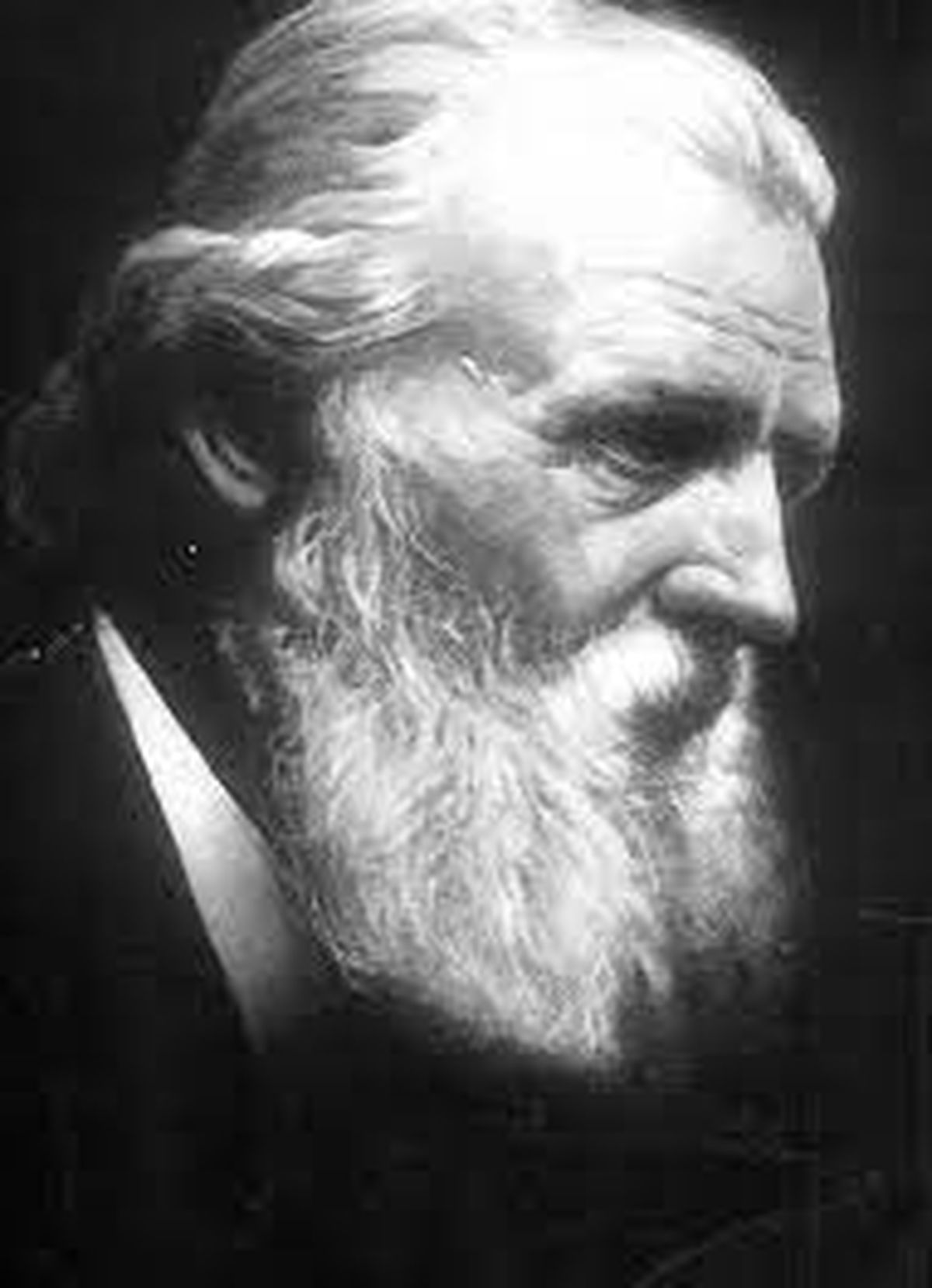
John Muir
John Muir (1838–1914) was a pioneering naturalist, conservationist, and writer whose advocacy for the preservation of wilderness laid the foundation for the modern environmental movement. Known as the "Father of the National Parks," Muir’s work was instrumental in the establishment of iconic national parks such as Yosemite, Sequoia, and Mount Rainier.
Born in Dunbar, Scotland, Muir immigrated to the United States with his family in 1849, settling in Wisconsin. His love of nature developed early, and he pursued studies in botany and geology. A near-fatal industrial accident in his twenties profoundly influenced his life’s direction, inspiring him to dedicate himself to exploring and protecting the natural world.
Muir’s extensive travels, particularly in the Sierra Nevada of California, fueled his passion for wilderness and deepened his belief in the spiritual and restorative power of nature. His writings, including The Mountains of California, My First Summer in the Sierra, and countless essays, eloquently captured the beauty and significance of the natural world, inspiring generations of readers and conservationists.
A co-founder of the Sierra Club in 1892, Muir was a tireless advocate for protecting America’s wilderness. His efforts contributed to the establishment of several national parks and influenced environmental policy, including the creation of the National Park Service in 1916, two years after his death.
Muir’s legacy is celebrated worldwide, not only for his role in preserving natural landscapes but also for his philosophical contributions to environmental ethics. He believed in the intrinsic value of nature and encouraged people to find solace and inspiration in its beauty.
Today, John Muir remains a symbol of the conservation movement. His life’s work continues to inspire efforts to protect and cherish the natural world, reminding humanity of its profound connection to the earth.


