John Bunyan
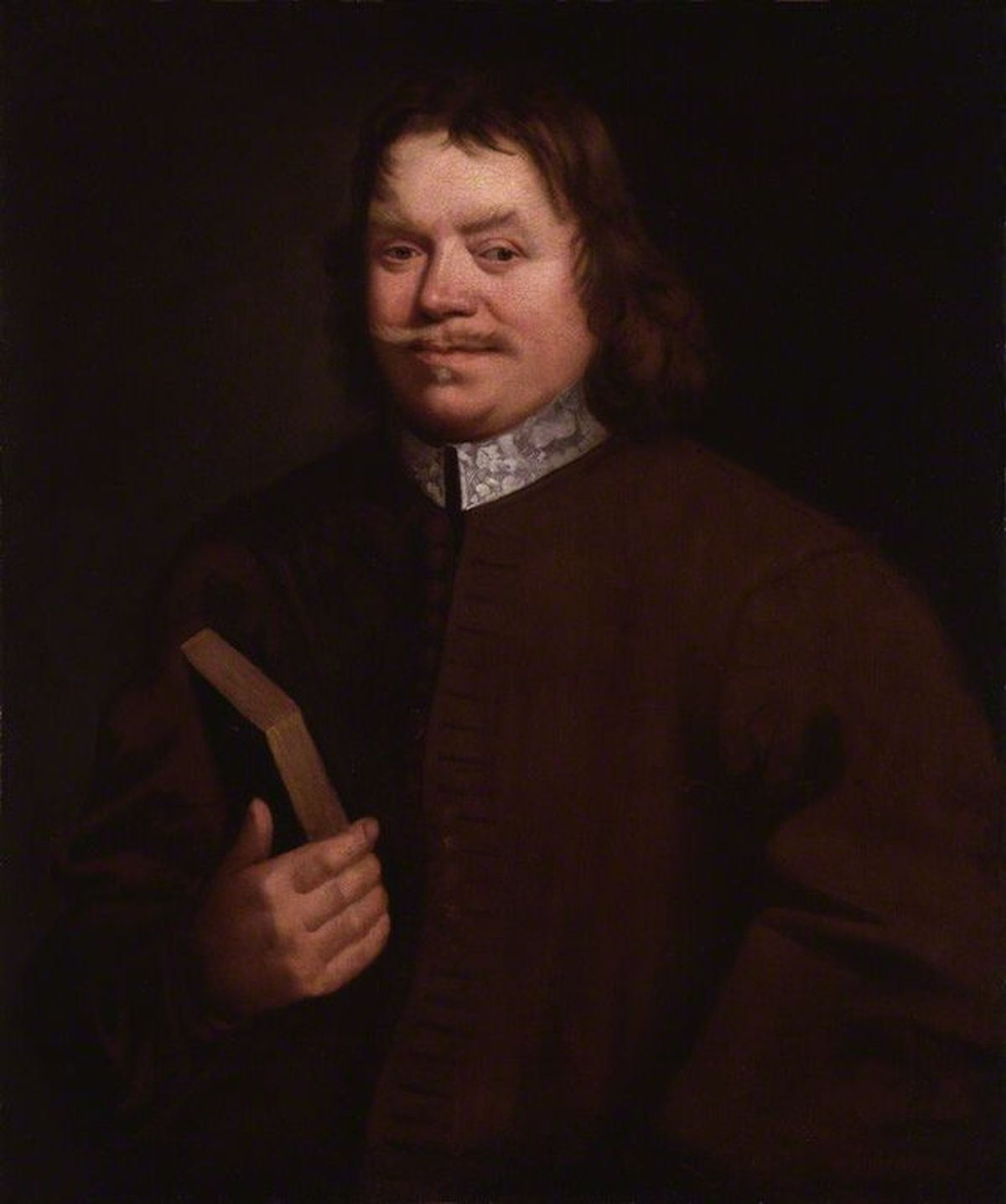
John Bunyan (1628–1688) was an English Christian preacher, writer, and theologian, best known for his allegorical masterpiece The Pilgrim’s Progress. Born in Elstow, Bedfordshire, Bunyan’s early life was marked by poverty and religious turmoil. He grew up in a deeply religious environment and had a turbulent youth, involving a period of rebellion against his faith. However, after a profound spiritual awakening, Bunyan became a committed Christian, which eventually led him to become a preacher.
Bunyan’s ministry took place during a time of religious persecution in England. His nonconformist beliefs and refusal to adhere to the Church of England’s practices led to his imprisonment for over twelve years. Despite his confinement, Bunyan continued to write and preach, becoming a powerful voice for religious freedom and the Christian faith. His time in prison was not in vain, as it became a period of deep reflection and spiritual growth.
His most famous work, The Pilgrim’s Progress, was published in 1678 and is widely regarded as one of the most significant works of English literature. The allegory, which follows the journey of a character named Christian as he seeks salvation, has been translated into numerous languages and is still widely read today. The work was praised for its clear depiction of Christian themes such as redemption, temptation, and perseverance in faith.
Bunyan’s other notable works include Grace Abounding to the Chief of Sinners, his spiritual autobiography, and The Life and Death of Mr. Badman, a moral tale of a man who lives a life of vice. Bunyan’s legacy endures as a prolific writer, passionate preacher, and a symbol of the perseverance of faith amid adversity. His works continue to inspire readers worldwide with their vivid imagery and profound theological insights.