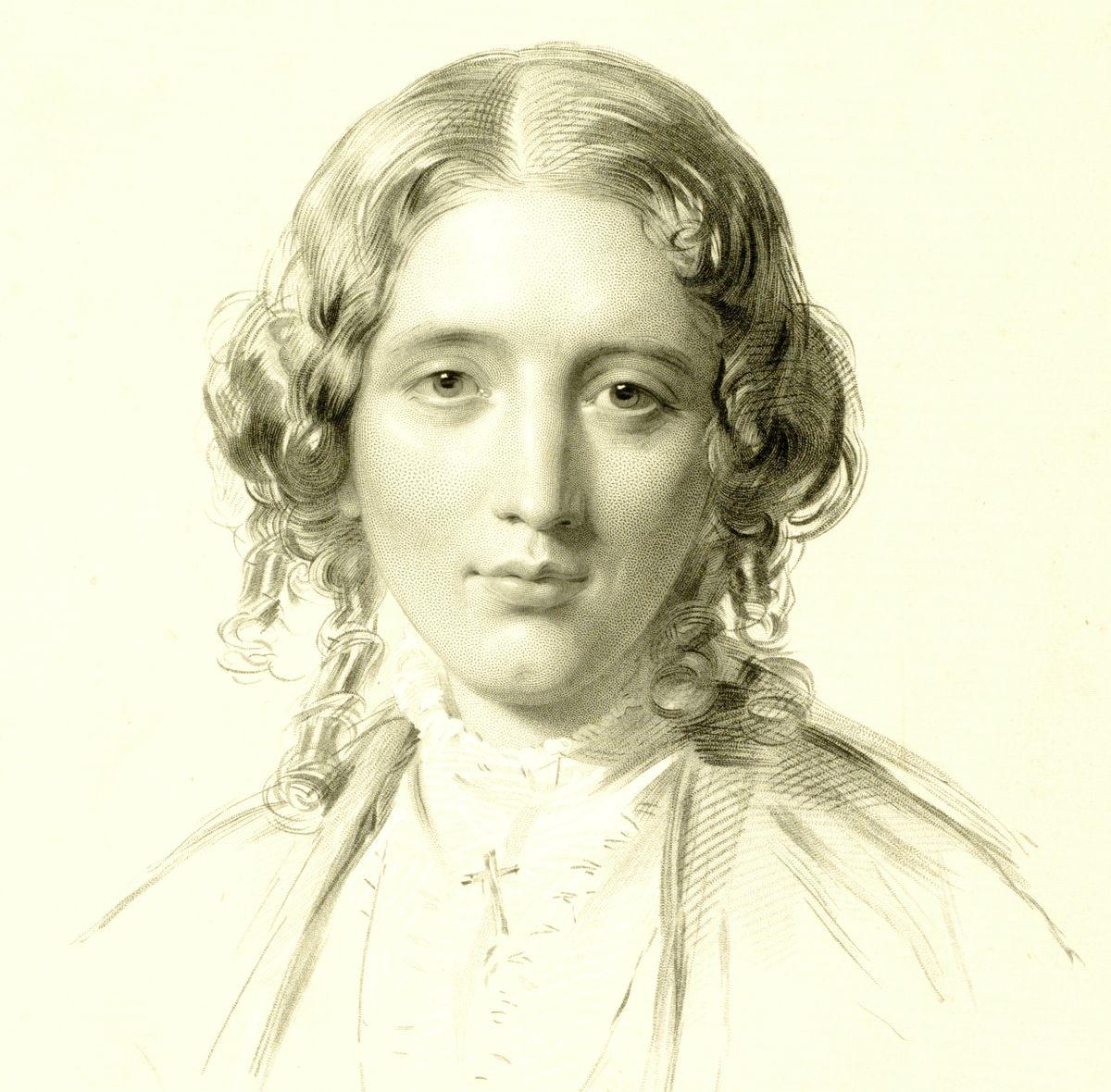
Harriet Beecher Stowe
Harriet Beecher Stowe (1811–1896)
Harriet Beecher Stowe was a renowned American author, abolitionist, and social activist best known for her novel Uncle Tom’s Cabin, which became one of the most influential books of the 19th century and played a pivotal role in shaping public opinion on slavery in the United States. Born in Litchfield, Connecticut, in 1811, Stowe grew up in a religious family deeply involved in social reform. Her father, Lyman Beecher, was a prominent preacher, and her family was part of the intellectual and evangelical Christian community that advocated for moral reform, including the abolition of slavery.
Stowe’s Uncle Tom’s Cabin, first published in serial form in 1851–1852, depicted the brutal realities of slavery through the story of Tom, a kind-hearted and devout African American man sold into slavery. The novel humanized enslaved people and galvanized anti-slavery sentiment across the North, significantly contributing to the growing abolitionist movement. Uncle Tom’s Cabin became a bestseller and was credited with increasing support for the abolition of slavery, with some historians even suggesting that it helped lay the groundwork for the Civil War. It was said that when Stowe met President Abraham Lincoln in 1862, he remarked, "So you’re the little woman who wrote the book that made this great war!"
Beyond her famous novel, Stowe wrote other books, essays, and articles advocating for social reform, including women’s rights, temperance, and the rights of African Americans. She continued to be an outspoken advocate for the emancipation of enslaved people and the equality of women throughout her life.
Harriet Beecher Stowe’s legacy extends beyond her literary contributions. She was a courageous voice for social justice during a critical time in American history, and her work continues to resonate as an enduring testament to the power of literature to bring about social change.