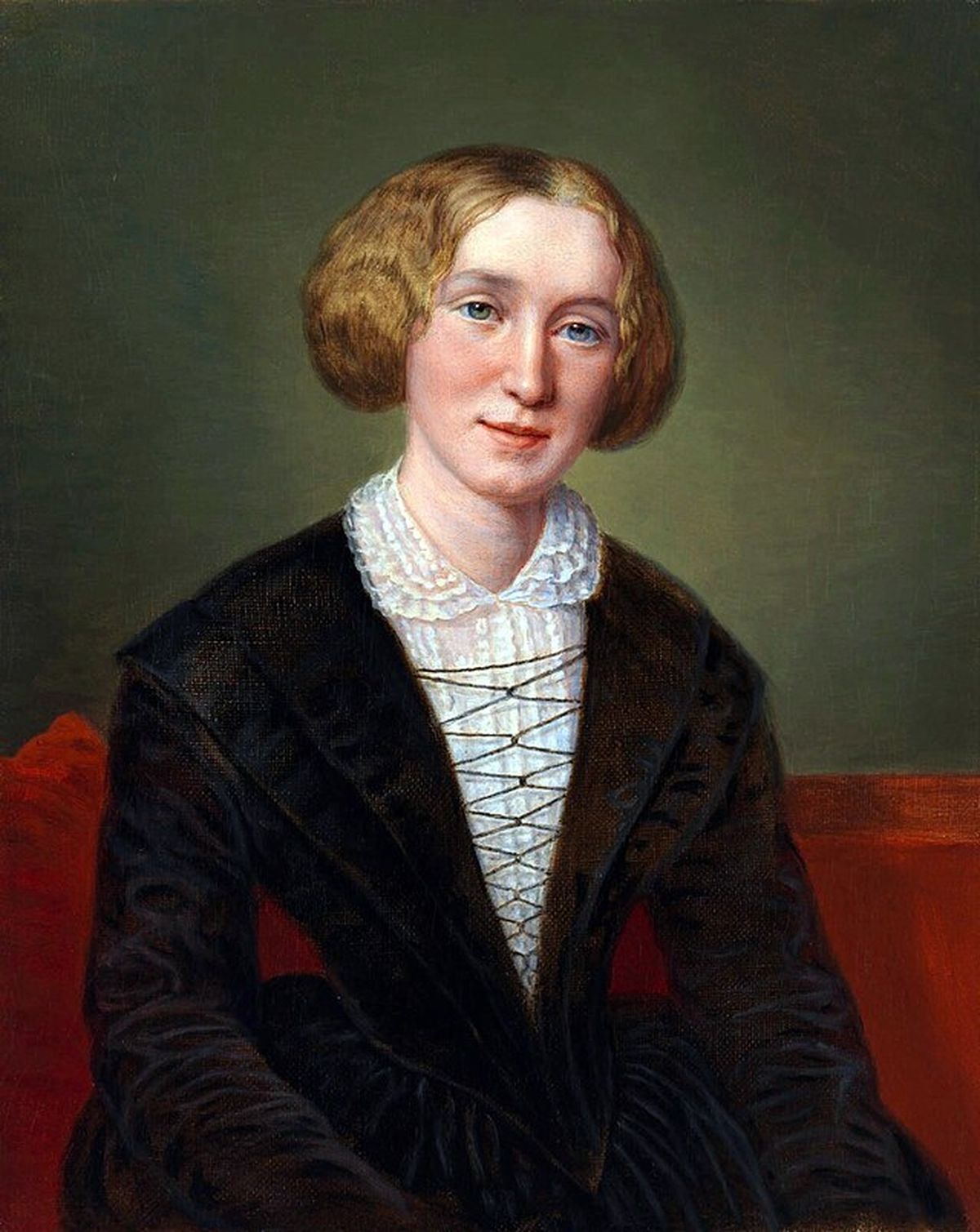
George Eliot
George Eliot (1819–1880), the pen name of Mary Ann Evans, was one of the most prominent and influential English novelists of the 19th century. She is celebrated for her complex character development, keen social insight, and masterful exploration of human nature. Born in Warwickshire, England, Eliot initially pursued a career in literature as a translator and editor before becoming one of the leading voices of Victorian literature.
Eliot’s writing is known for its exploration of deep psychological and moral dilemmas, and her works frequently address themes of social change, religion, and the role of women in society. Her novels often depict individuals struggling with personal and societal constraints, focusing on their growth, challenges, and moral choices. One of her most significant contributions to literature was her ability to blend realism with profound philosophical and ethical questions.
Eliot's most famous works include Middlemarch (1871–1872), which is often regarded as her masterpiece and one of the greatest novels in the English language. The novel explores themes of political reform, marriage, and personal ambition, while also offering a nuanced portrayal of the complexities of human relationships. Other notable works include Silas Marner (1861), The Mill on the Floss (1860), and Daniel Deronda (1876), each of which examines the tension between individual desires and societal expectations.
Throughout her life, Eliot challenged Victorian norms, particularly concerning women’s roles in society, and her decision to live with the philosopher George Henry Lewes, a married man, was highly controversial. Despite this, she became a respected figure in intellectual circles. Her writing, marked by intellectual rigor and emotional depth, continues to resonate with readers and scholars for its insights into the human condition, making her a towering figure in literary history.


