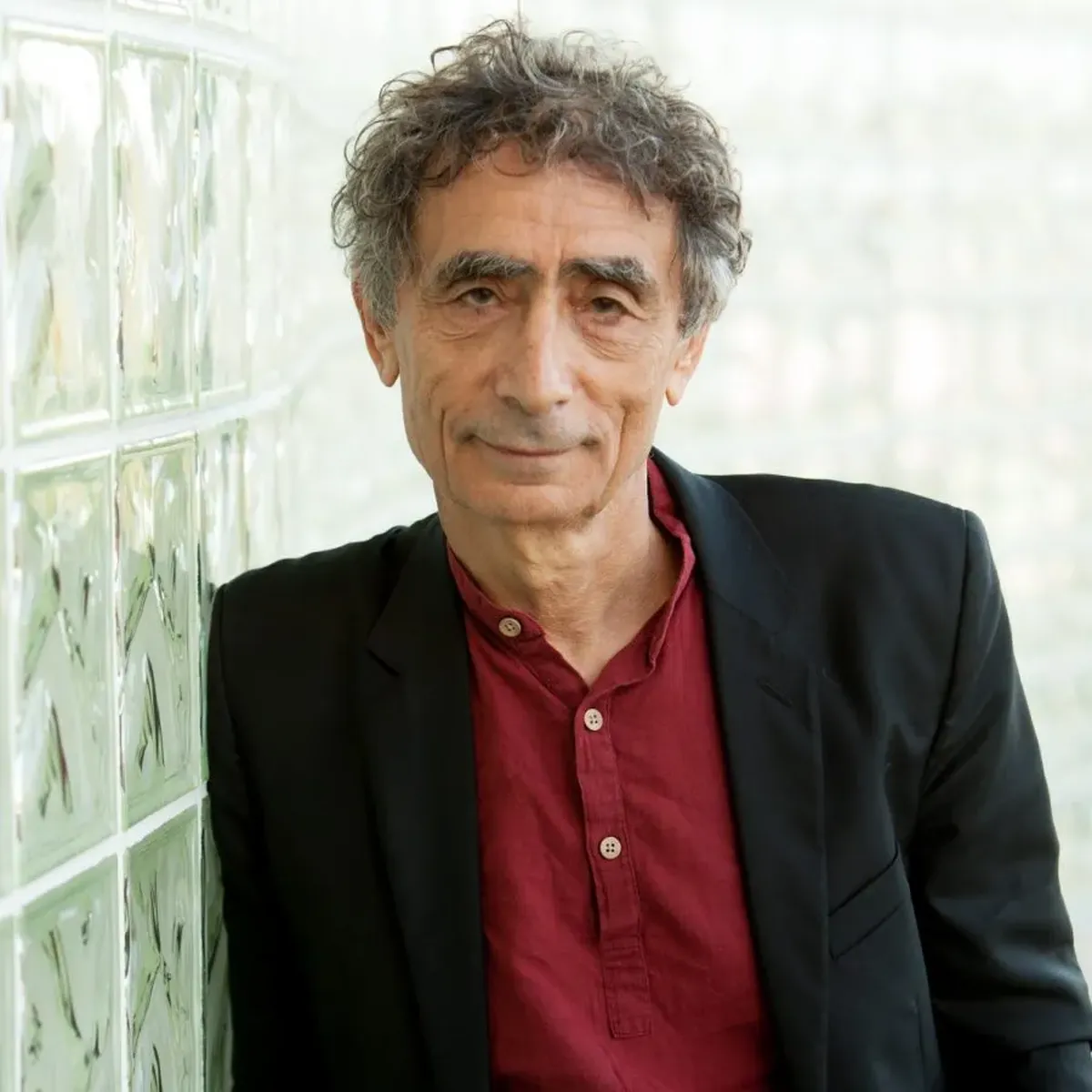
Gabor Maté
Dr. Gábor Maté is a renowned physician, author, and speaker, widely recognized for his pioneering work on the connection between physical health, mental well-being, and emotional trauma. Born in Hungary in 1944, Maté emigrated to Canada in 1956, where he would later build a distinguished career in medicine. His work has spanned a variety of medical fields, but he is particularly known for his expertise in addiction, childhood development, and the impact of trauma on the body and mind.
Dr. Maté's approach to healthcare emphasizes the profound effects of stress, early childhood experiences, and emotional health on physical illness. He has written several influential books, including When the Body Says No: The Cost of Hidden Stress (2003), In the Realm of Hungry Ghosts: Close Encounters with Addiction (2008), and The Myth of Normal: Depression, Anxiety, and Stress and the Illusion of Well-Being (2022). His work highlights the ways in which psychological and emotional factors can contribute to chronic illness and addiction, advocating for a compassionate, holistic approach to treatment.
As a physician, Maté worked in a variety of settings, including in palliative care, addiction treatment, and with marginalized populations. His experience in these environments led him to recognize the deep connections between mind and body, particularly in patients with complex, long-term illnesses. He has also worked extensively with individuals suffering from trauma, emphasizing the importance of understanding the roots of behavior in order to heal and recover.
Dr. Maté is a sought-after speaker and has delivered lectures internationally on topics such as trauma-informed care, addiction, and mental health. He has been an advocate for rethinking how society addresses the root causes of mental and physical health problems, focusing on understanding the individual within their social and emotional context.
His work continues to resonate with healthcare professionals, therapists, and individuals seeking deeper understanding of the mind-body connection, promoting a more compassionate and holistic approach to healing.