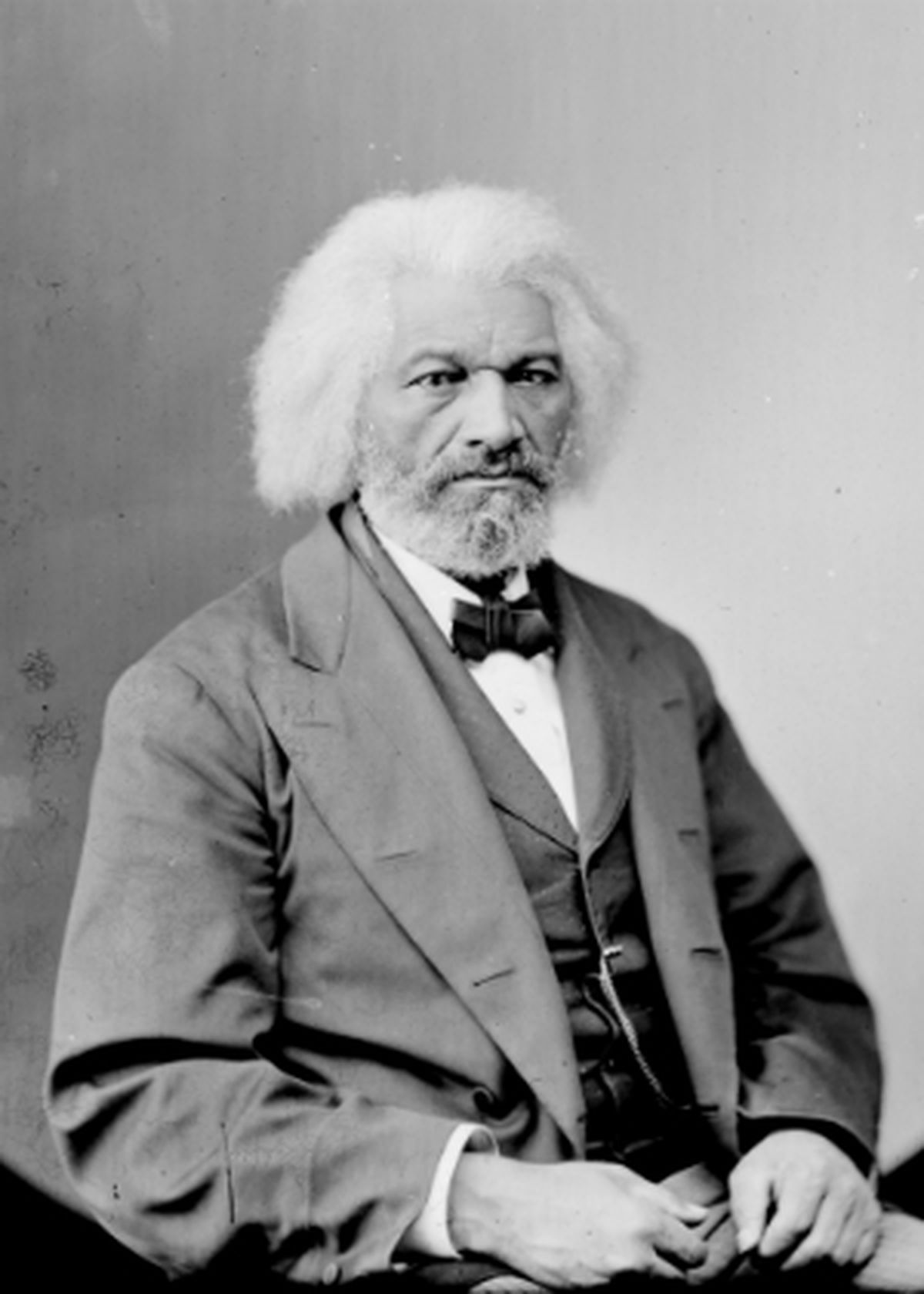
Frederick Douglass
Frederick Douglass (1818–1895) was a prominent African American abolitionist, writer, speaker, and statesman who played a crucial role in the fight for freedom and equality in the United States. Born into slavery in Talbot County, Maryland, Douglass experienced firsthand the brutalities of enslavement. After escaping slavery at the age of 20, he became a powerful voice for abolition and a leading advocate for civil rights.
Douglass's eloquence and intelligence defied the stereotypes of enslaved individuals, and he became a sought-after speaker for the abolitionist cause. His autobiography, Narrative of the Life of Frederick Douglass, an American Slave (1845), was an instant bestseller and gave a vivid account of his experiences in slavery, while exposing the moral and social injustices of the institution. Douglass went on to publish three versions of his autobiography, each expanding on his personal story and political vision.
As a public figure, Douglass advocated for the emancipation of enslaved people and the full citizenship and rights of African Americans. He was a key advisor to President Abraham Lincoln during the Civil War, encouraging him to issue the Emancipation Proclamation and to recruit Black soldiers into the Union Army. After the war, Douglass continued his activism, fighting for the rights of freedmen and women and for the passage of the 15th Amendment, which granted Black men the right to vote.
Douglass also championed women's rights, believing that the fight for freedom and equality should include all marginalized groups. Throughout his life, he held various positions in government, including U.S. Marshal and U.S. Minister to Haiti.
A tireless advocate for human dignity and equality, Douglass’s legacy as a moral leader and reformer continues to inspire movements for justice and civil rights. His life serves as a testament to the transformative power of education, perseverance, and the pursuit of liberty.