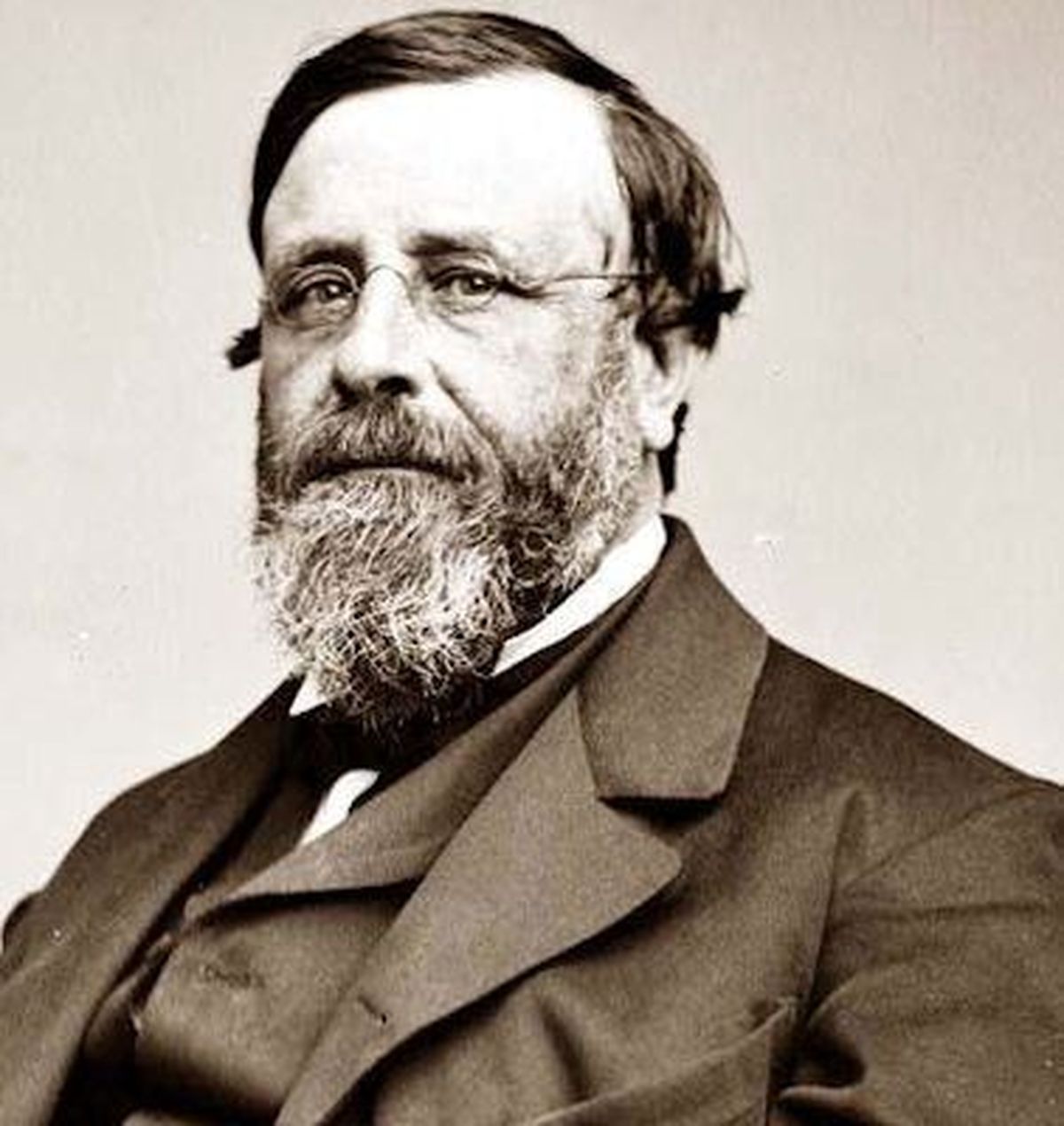
Edwin Hubbell Chapin
Edwin Hubbell Chapin (1814–1880) was a prominent American clergyman, preacher, and writer, known for his eloquent sermons and contributions to religious thought. Chapin was born in Southbridge, Massachusetts, and went on to attend Brown University before entering the ministry. He became an influential figure in the Unitarian church, widely respected for his preaching and theological insights.
Chapin served as the pastor of the First Unitarian Church in Brooklyn, New York, where he gained a reputation for his intellectual sermons that combined deep spirituality with practical, everyday relevance. His messages often addressed the human condition, the power of redemption, and the search for moral integrity. Known for his engaging speaking style, Chapin drew large crowds and was beloved for his ability to convey complex theological ideas in ways that were accessible to a wide audience.
In addition to his preaching, Chapin was an accomplished author. His writings, including The Works of Edwin Hubbell Chapin, reflect his deep commitment to social justice and the moral duties of individuals within society. He often emphasized themes of personal growth, the importance of virtue, and the role of religion in guiding ethical behavior. Chapin’s influence extended beyond his sermons, and his work had a lasting impact on the development of liberal theology in the 19th century.
Edwin Hubbell Chapin was also a passionate advocate for abolitionism, the rights of women, and the betterment of society through education and reform. He believed that religious leaders had a responsibility to promote justice and equality, and he worked to inspire others to take action in these areas.
Chapin's legacy as a preacher, writer, and social reformer continues to be remembered today for his contributions to American religious thought and his commitment to compassion, equality, and intellectual rigor.
![[The Redeemer] illustrates the purport](https://a-us.storyblok.com/f/1016915/1200x686/619aeeea6c/lightstock_945742_small_stuart_strachan_jr.jpg/m/200x200/smart)