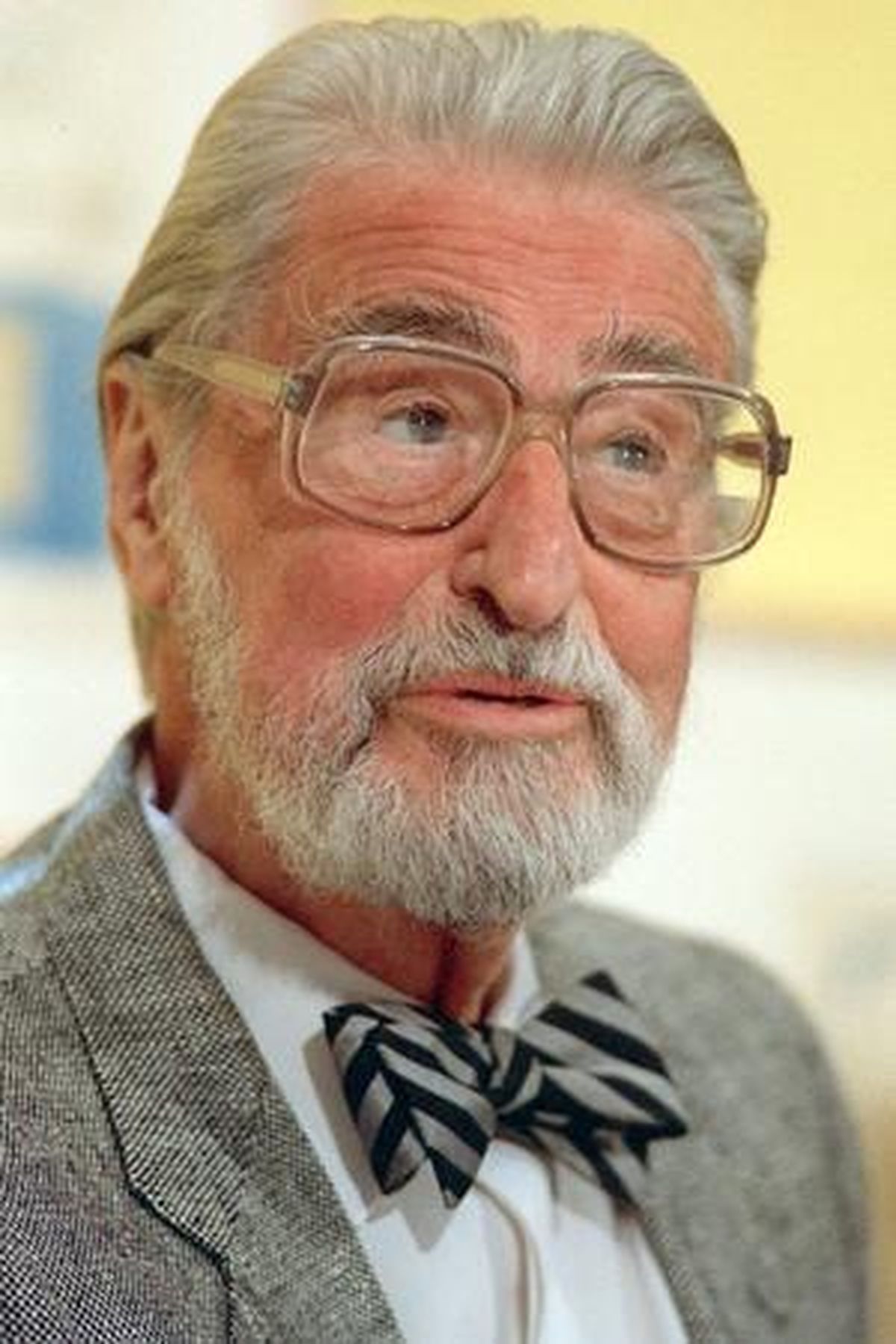
Dr. Seuss
Dr. Seuss, the pen name of Theodor Seuss Geisel (1904–1991), is one of the most beloved authors and illustrators of children’s literature, celebrated for his whimsical rhymes, imaginative characters, and timeless stories. Born on March 2, 1904, in Springfield, Massachusetts, Geisel developed a love for storytelling and art at an early age. He attended Dartmouth College, where he began using the pseudonym “Seuss,” and later studied at Oxford University.
Geisel initially pursued a career in advertising and political cartooning before shifting to children’s literature. His first book, And to Think That I Saw It on Mulberry Street (1937), was rejected 27 times before being published, marking the start of an extraordinary career. Over the decades, Dr. Seuss wrote and illustrated over 60 books, including classics like The Cat in the Hat, Green Eggs and Ham, Horton Hears a Who!, and Oh, the Places You’ll Go!
His works are characterized by playful rhymes, inventive language, and fantastical illustrations that capture the imagination of readers of all ages. Beyond entertainment, many of his stories carry deeper themes, such as environmentalism (The Lorax), equality (Horton Hears a Who!), and the value of individuality (Oh, the Thinks You Can Think!).
Dr. Seuss revolutionized children’s literature by creating engaging stories that also encouraged literacy. His books often feature simple vocabulary and rhythmic patterns, making them ideal for young readers.
Throughout his career, Geisel received numerous awards, including two Academy Awards, a Pulitzer Prize, and a Laura Ingalls Wilder Medal. His legacy continues to inspire generations, fostering a love for reading and creativity. Dr. Seuss passed away on September 24, 1991, but his stories remain a cherished part of childhood worldwide.