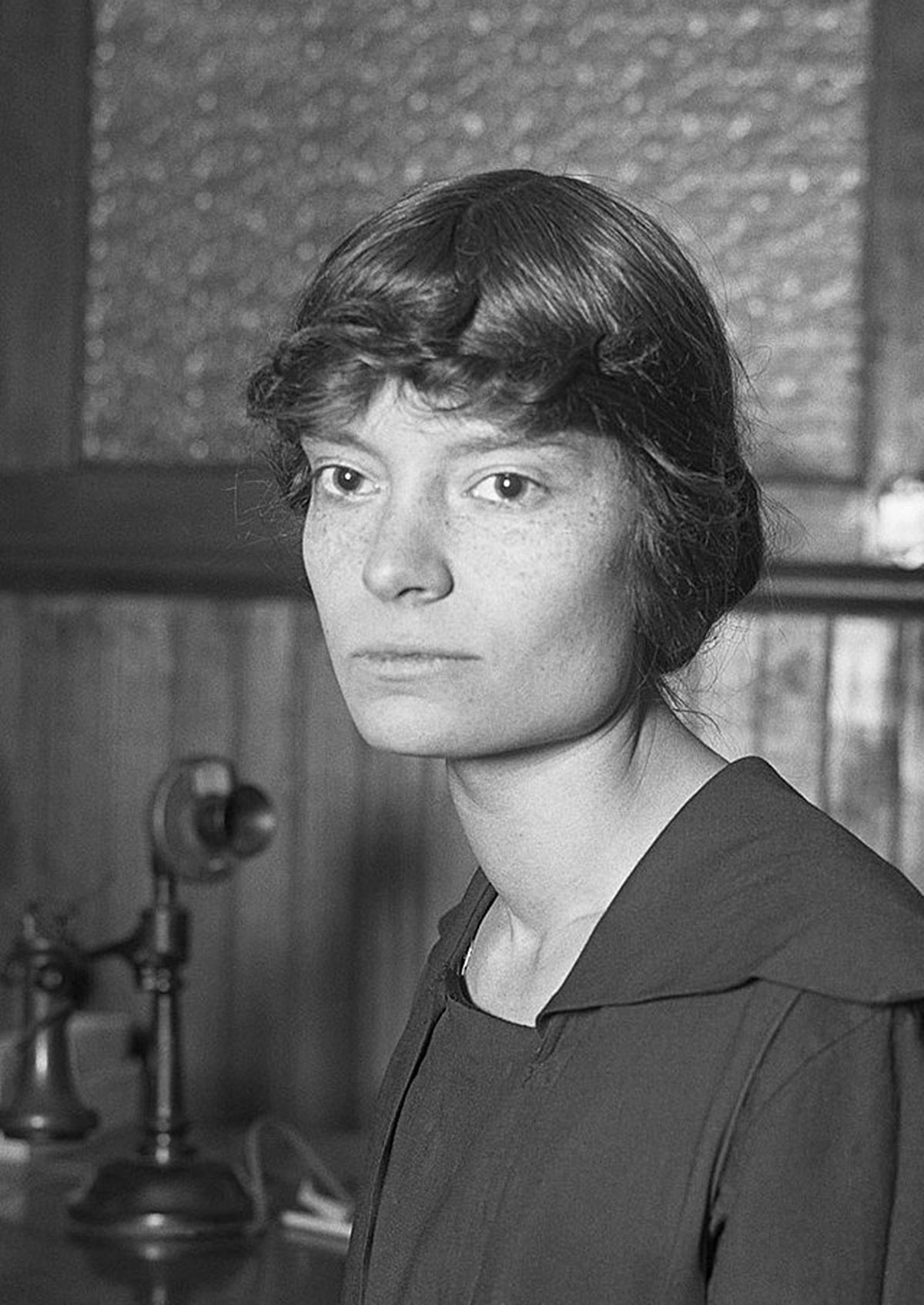
Dorothy Day
Dorothy Day (1897–1980) was a Catholic social activist, journalist, and co-founder of the Catholic Worker Movement, whose life exemplified a radical commitment to faith, social justice, and service to the poor. Born in Brooklyn, New York, and raised in a nominally religious family, Day initially pursued a career in journalism, writing for socialist and anarchist publications. She engaged deeply with political activism, advocating for labor rights, women’s suffrage, and pacifism.
Her spiritual journey took a transformative turn in 1927 when she converted to Catholicism, drawn to the church’s teachings on social justice and care for the poor. In 1933, alongside Peter Maurin, Day co-founded the Catholic Worker Movement, which sought to combine the principles of Catholic social teaching with direct action. The movement established houses of hospitality to serve the homeless, unemployed, and marginalized, while publishing The Catholic Worker newspaper to advocate for justice, peace, and human dignity.
Day lived out her commitment to the gospel with unwavering conviction, embracing voluntary poverty, practicing nonviolence, and championing causes such as racial equality and opposition to war. Her autobiography, The Long Loneliness, provides a vivid account of her life and spiritual journey, while her other writings continue to inspire those who seek to integrate faith and action.
Though she resisted being labeled a saint, Day’s profound impact on the church and society has led to her being recognized as a Servant of God, the first step toward canonization in the Catholic Church. Her legacy endures in the ongoing work of the Catholic Worker Movement and in the lives of those inspired by her vision of a world transformed by love, justice, and compassion.