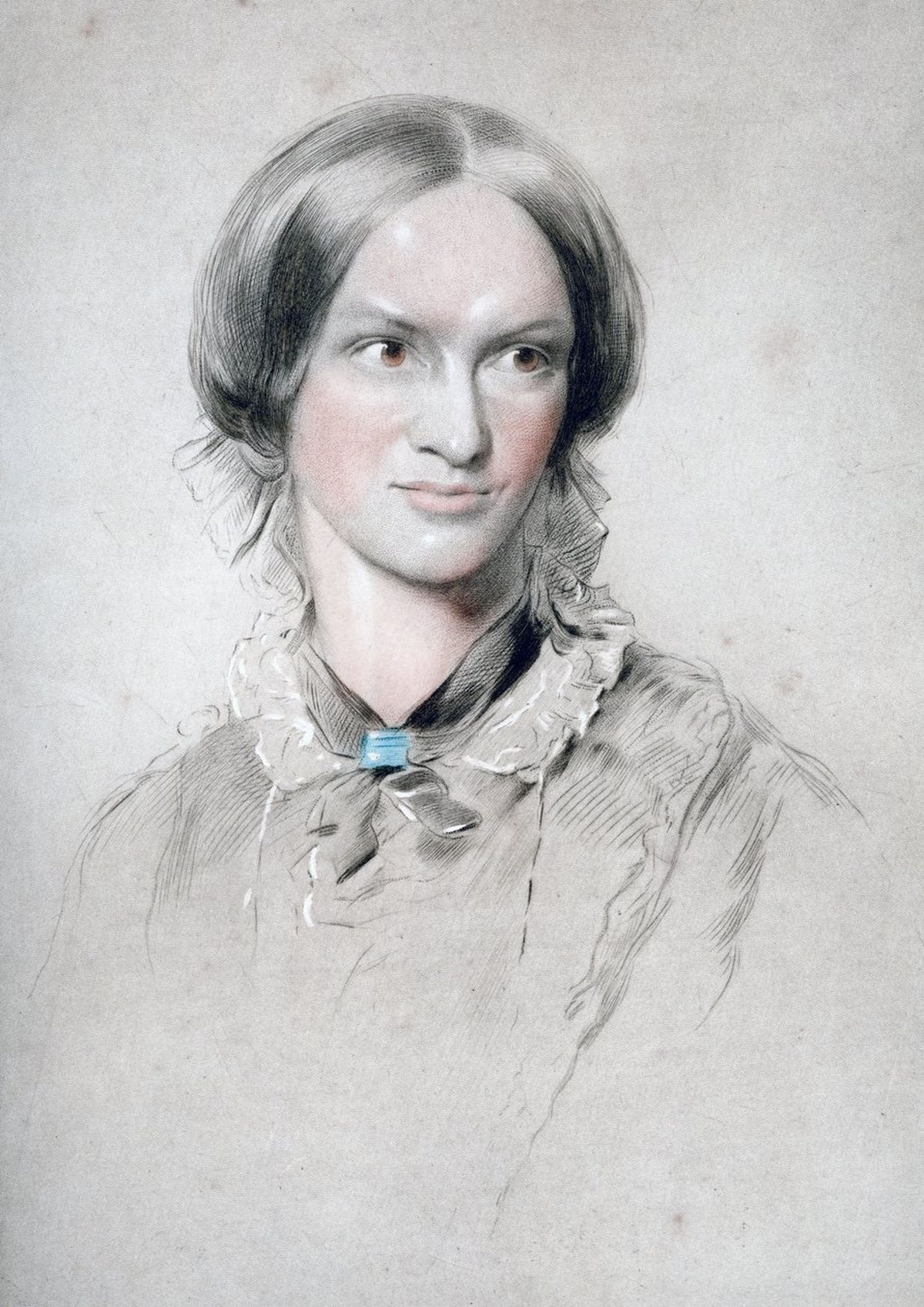
Charlotte Brontë
Charlotte Brontë (1816–1855) was an English novelist and poet, best known for her novel Jane Eyre, one of the most beloved works of English literature. Born in Thornton, Yorkshire, Charlotte was the third of six children in the Brontë family. She and her siblings—Emily, Anne, and Branwell—grew up in a remote parsonage in Haworth, where their father, Patrick Brontë, served as the parish priest. The isolation of their early years led the Brontë children to develop a rich imaginative world, often documented in their childhood writings.
Charlotte’s early life was marked by tragedy. Her mother died when she was only five, and she and her siblings were sent to the harsh conditions of a boarding school. Her two elder sisters, Maria and Elizabeth, died from tuberculosis, a loss that deeply affected Charlotte and shaped her writing. Despite the challenges, Charlotte continued her education and later became a governess, which provided her with material for her novels.
In 1847, Charlotte published her first novel, Jane Eyre, under the pen name "Currer Bell." The book was an immediate success, praised for its strong, independent female protagonist and its exploration of themes such as morality, class, and the complexities of love. Jane Eyre is considered a pioneering work of feminist literature, and its blend of romance, Gothic elements, and social criticism made it a classic.
Charlotte’s later works, such as Shirley and Villette, also received acclaim, though they were less popular in her lifetime than Jane Eyre. Her novels often feature themes of social criticism, the inner struggles of women, and the quest for personal and intellectual freedom.
Charlotte Brontë’s life was tragically short—she died of complications during pregnancy at the age of 38. Nonetheless, her legacy endures as one of the most significant and influential authors of the Victorian era, with her works continuing to inspire generations of readers and writers.