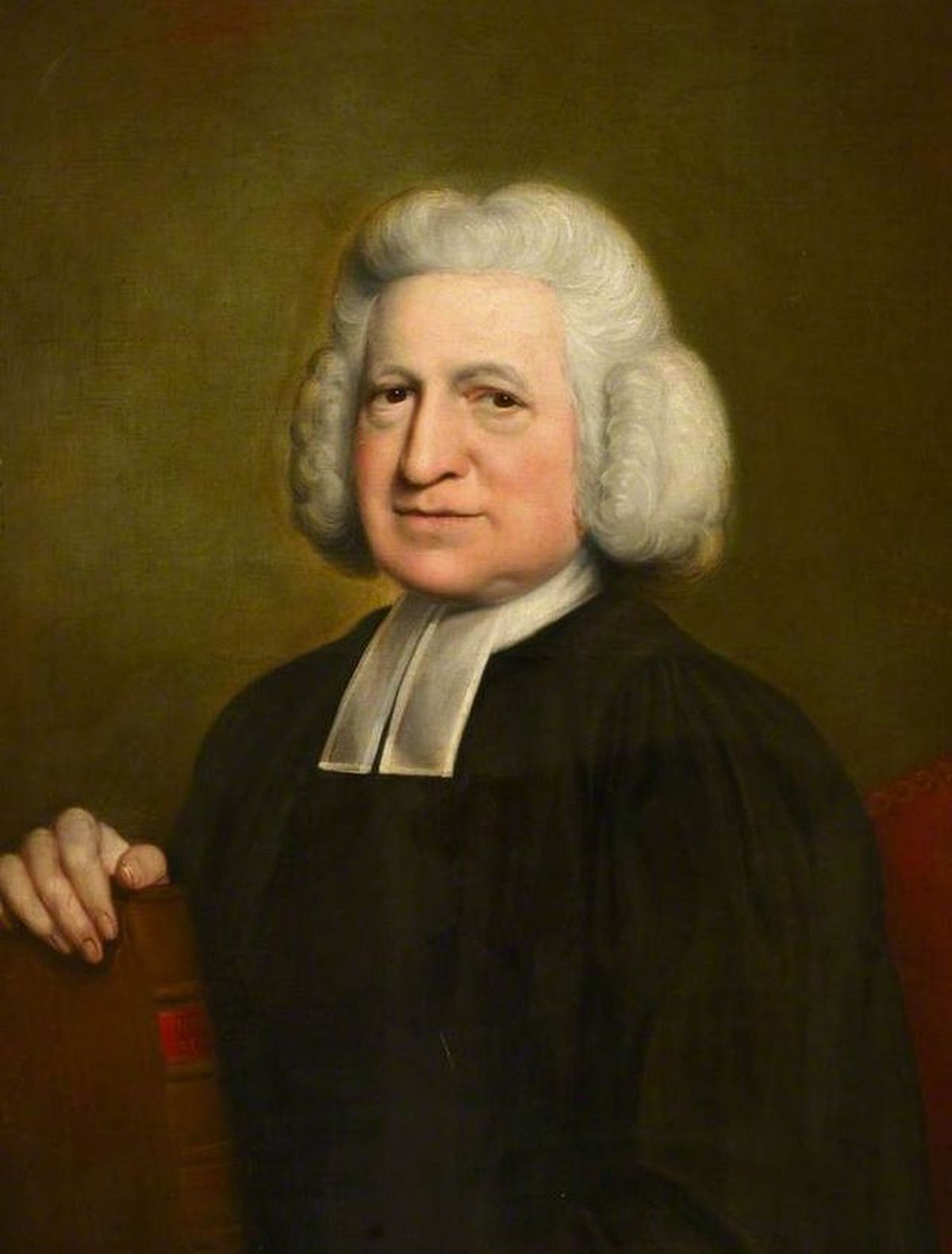
Charles Wesley
Charles Wesley (1707–1788) was an English hymn writer, theologian, and one of the most influential figures in the history of the Methodist movement. The younger brother of John Wesley, the founder of Methodism, Charles Wesley played a central role in the development of the movement through his prolific hymn writing, which helped shape the worship and theology of early Methodism.
Born in Epworth, England, Charles was the eighteenth of nineteen children born to Samuel and Susanna Wesley, both of whom had a deep commitment to the Christian faith. After attending Oxford University, where he and his brother John became leaders of the "Holy Club" (a group known for its commitment to piety and disciplined religious practice), Charles felt a strong calling to ministry. He became an Anglican priest, but it was his work as a hymn writer that would make him most famous.
Charles Wesley wrote over 6,500 hymns during his lifetime, many of which are still sung in Christian worship today. His hymns are known for their rich theological content, their poetic beauty, and their emphasis on personal devotion and the experience of God's grace. Some of his most famous hymns include "Hark! The Herald Angels Sing," "Christ the Lord Is Risen Today," and "Love Divine, All Loves Excelling." These hymns helped communicate the core themes of Methodism—salvation through faith, the love of God, and the transformative power of grace.
While John Wesley focused on preaching and organizing the Methodist movement, Charles’s hymns provided a powerful theological framework for the movement’s worship and spirituality. Charles Wesley’s legacy is not only in his hymns but also in his contributions to the broader evangelical movement, where his passion for personal holiness and the power of divine love continues to inspire Christians worldwide. He was buried at the Wesleyan chapel in London, and his influence endures in Christian worship to this day.