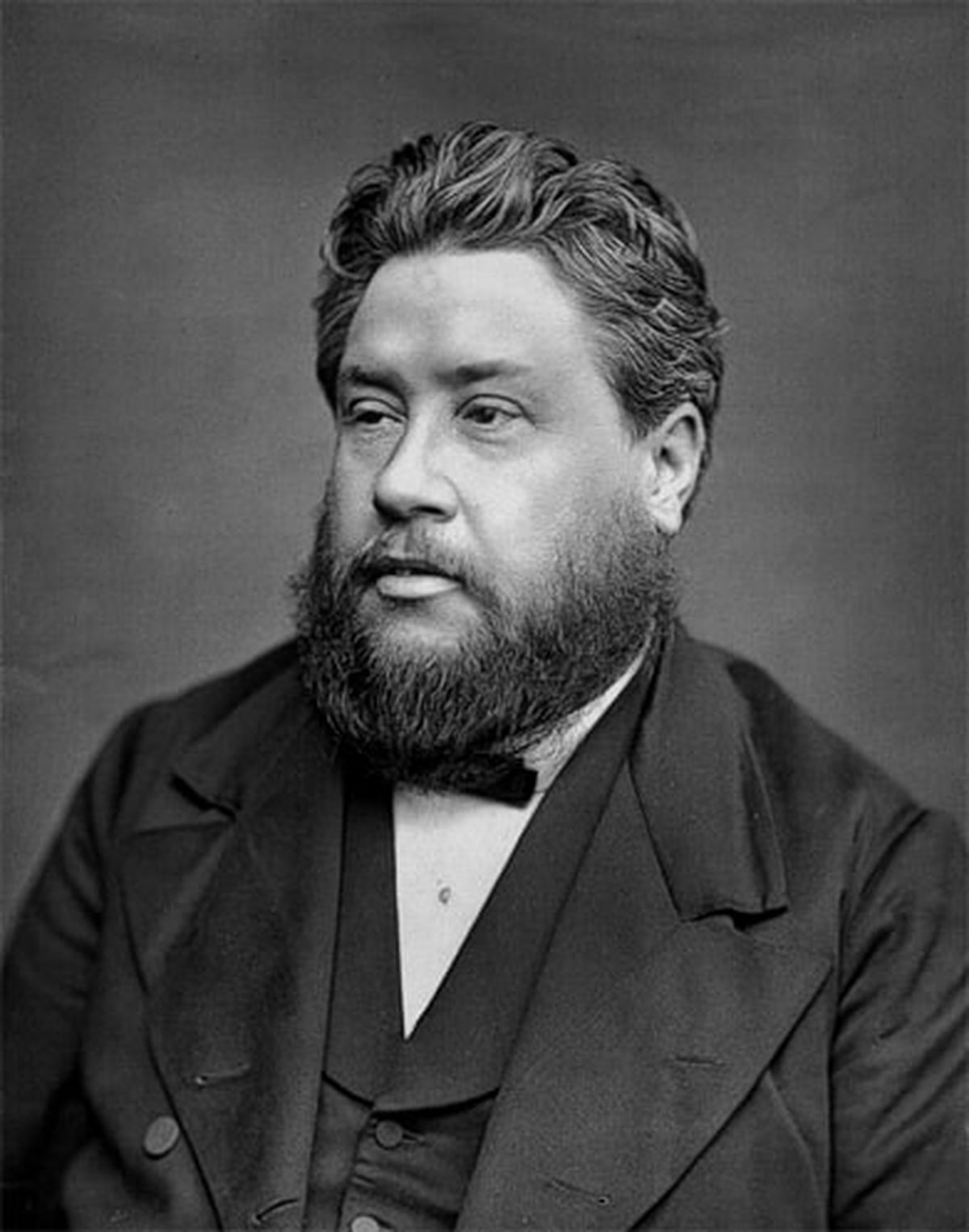
Charles Spurgeon
Charles Haddon Spurgeon (1834–1892) was a renowned British preacher, author, and theologian, often called the "Prince of Preachers" for his profound impact on Christian ministry and thought. Born in Kelvedon, Essex, Spurgeon was raised in a devout Christian home. At the age of 15, he experienced a dramatic conversion during a snowstorm when he stumbled into a Primitive Methodist chapel. This transformative moment ignited a deep passion for the gospel and a commitment to proclaiming God’s Word.
Spurgeon’s ministry began early. By age 19, he was pastoring the congregation at New Park Street Chapel in London, which later became the Metropolitan Tabernacle. Over nearly 40 years, Spurgeon’s powerful preaching attracted immense crowds, with thousands gathering each week to hear his sermons. Known for his clarity, theological depth, and heartfelt passion, his messages appealed to both intellectuals and ordinary people, making him one of the most influential preachers of his time.
A staunch Calvinist, Spurgeon was unwavering in his emphasis on the sovereignty of God, salvation by grace, and the sufficiency of Christ’s atonement. He was also deeply committed to prayer, evangelism, and pastoral care, encouraging Christians to live faithfully in every aspect of life.
Spurgeon was a prolific author, leaving an enduring literary legacy that includes over 3,500 sermons, devotionals such as Morning and Evening, and classics like The Treasury of David, a commentary on the Psalms. He also founded the Pastor's College, which trained ministers, and established the Stockwell Orphanage to care for vulnerable children.
Despite periods of personal suffering, including physical illness and depression, Spurgeon remained steadfast in his ministry. His writings and teachings continue to inspire and shape Christian thought, ensuring his legacy endures in churches and homes worldwide.