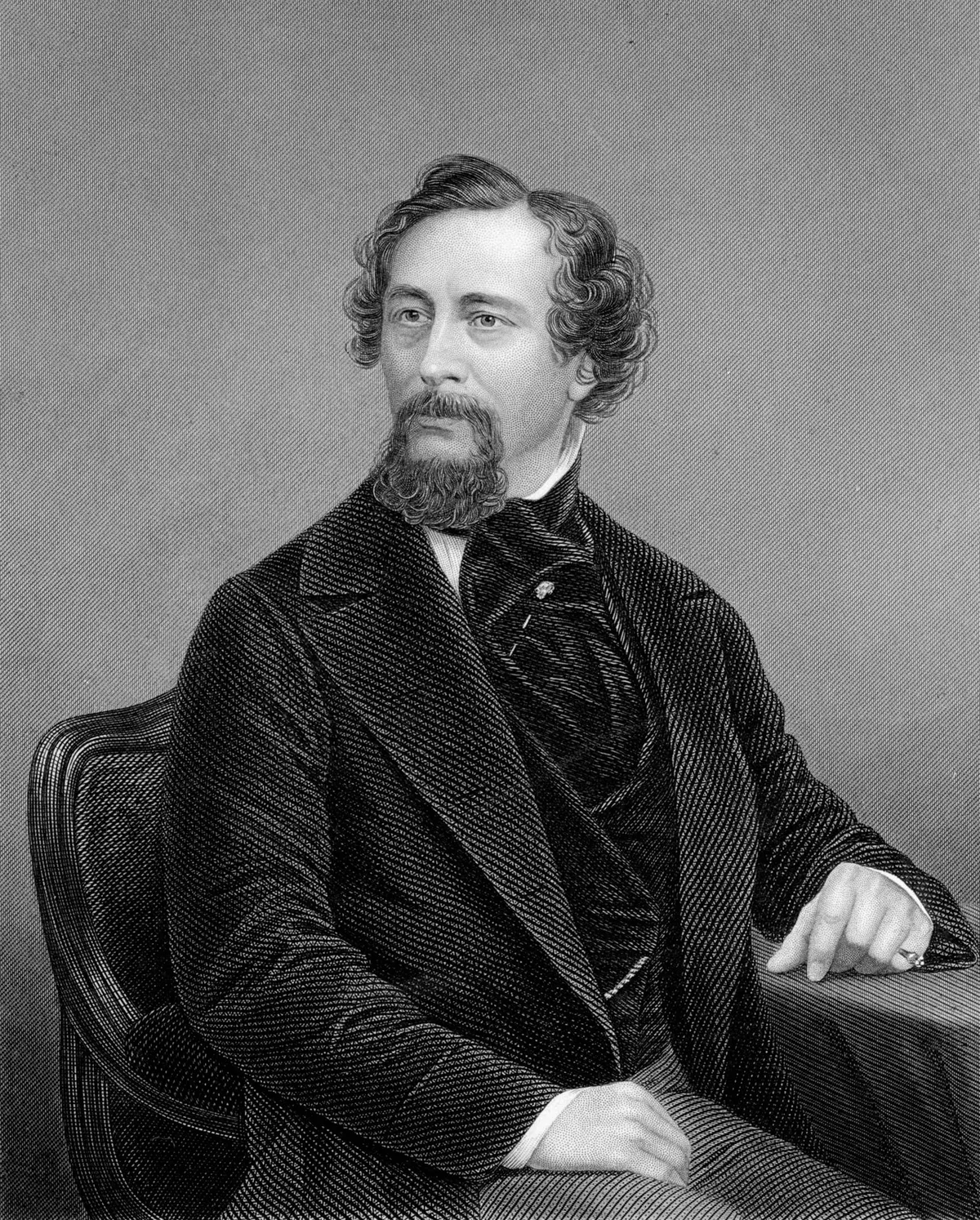
Charles Dickens
Charles Dickens (1812–1870) was an English novelist, social critic, and playwright, widely regarded as one of the greatest literary figures of the Victorian era. His works, renowned for their memorable characters, vivid storytelling, and keen observations of social inequality, continue to captivate readers around the world. Dickens used his writing as a powerful tool to critique the injustices and social ills of his time, particularly focusing on issues such as poverty, child labor, and the harsh conditions of the working class.
Born in Portsmouth, England, Dickens had a difficult childhood. His family was impoverished, and at the age of twelve, he was forced to work in a factory while his father was imprisoned for debt. These formative experiences of hardship profoundly influenced his later works. Dickens’s career as a writer began with the publication of The Pickwick Papers in 1836, which quickly gained popularity and established him as a leading literary figure. Over the course of his career, he wrote more than a dozen novels, including classics such as Oliver Twist (1837–1839), David Copperfield (1849–1850), A Christmas Carol (1843), Great Expectations (1860–1861), and A Tale of Two Cities (1859).
Dickens’s novels are marked by a vivid portrayal of the social landscape of Victorian England, with a rich array of characters, both sympathetic and villainous. He was deeply concerned with social reform and used his writing to expose the suffering caused by industrialization, the class system, and the lack of adequate social safety nets. His works are also known for their humor, wit, and inventiveness in creating unforgettable characters, such as Ebenezer Scrooge, Oliver Twist, and Pip.
Dickens’s influence on literature and culture is immense. He was a keen observer of humanity and an advocate for social change, leaving behind a lasting legacy that continues to shape the world of literature.