Basil of Caesarea
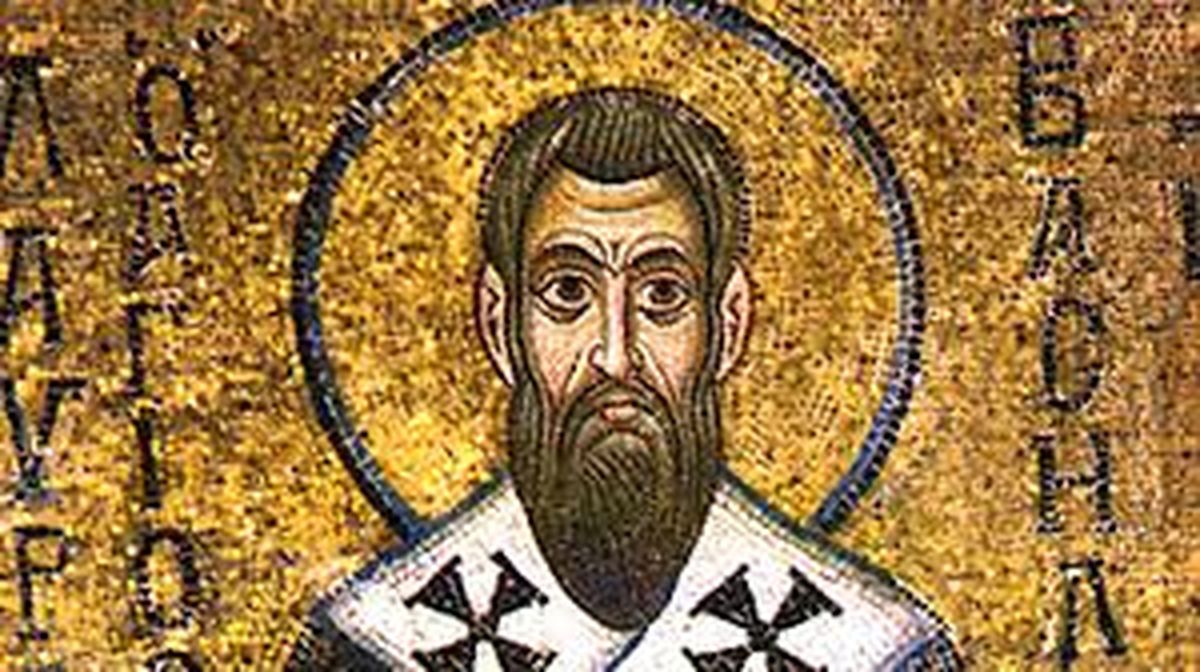
Basil of Caesarea (c. 330–379 AD), also known as Saint Basil the Great, was an influential Christian bishop, theologian, and monastic leader in the Eastern Roman Empire. He is recognized as one of the most important figures in the development of Christian theology and monasticism in the 4th century. Basil is especially known for his role in shaping the doctrine of the Trinity and for his efforts to defend the Nicene Creed against various heretical teachings of the time, particularly Arianism.
Basil was born into a Christian family in Cappadocia (modern-day Turkey), a region in Asia Minor. His upbringing was marked by exposure to a strong Christian heritage, and he received an extensive education in philosophy, rhetoric, and law. Basil studied in major cities such as Constantinople and Athens, where he encountered the writings of classical philosophers and Christian thinkers. His education and spiritual formation laid the foundation for his later contributions to Christian thought.
As bishop of Caesarea, Basil was a key leader in the theological battles of his day. He was a staunch defender of the Nicene Creed, which affirmed the full divinity of Jesus Christ and the equality of the Father, Son, and Holy Spirit. Basil's writings, particularly his On the Holy Spirit, clarified and strengthened the doctrine of the Trinity, making a significant contribution to the theological debates of the early church.
In addition to his theological work, Basil was a pioneering figure in monasticism. He established rules for communal monastic life that emphasized prayer, work, and care for the poor. His monastic rule became a model for Eastern Christian monasticism and had a lasting influence on Christian spirituality.
Basil’s legacy endures in the Eastern Orthodox Church, where he is celebrated as one of the Cappadocian Fathers and a doctor of the church. His theological and monastic contributions continue to shape Christian belief and practice to this day.