Ambrose of Milan
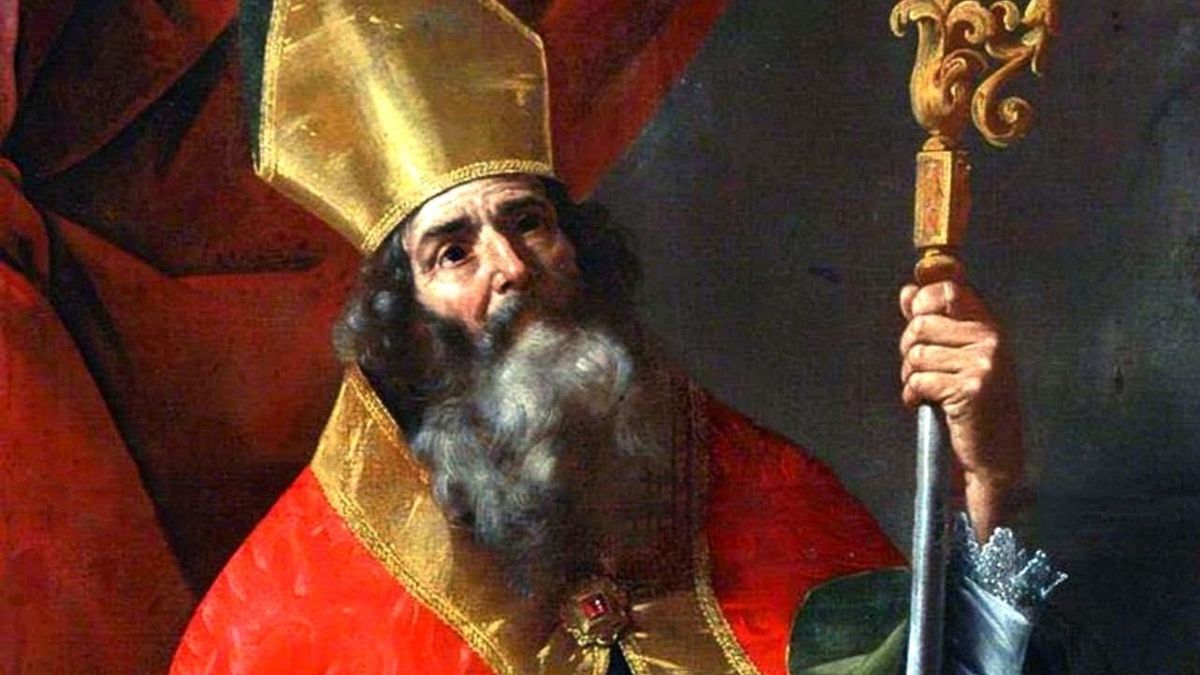
Ambrose of Milan (c. 340–397 CE) was a bishop, theologian, and one of the most influential figures in the early Christian Church. He is best known for his role in the development of Christian doctrine, particularly his contributions to the establishment of Nicene orthodoxy in the Western Church. As the bishop of Milan, Ambrose played a key role in shaping the spiritual and political landscape of the Roman Empire in the late 4th century.
Born into a Roman Christian family, Ambrose was well-educated, studying law and rhetoric before entering public service. He became the governor of Milan, one of the most important cities in the Western Roman Empire, and was eventually elected as bishop by popular acclamation in 374 CE, despite not having been baptized or ordained as a priest. His election was the result of a power struggle between Arians and Nicene Christians, and Ambrose’s firm commitment to Nicene Christianity made him an important figure in the defense of the faith.
Ambrose was a strong advocate for the authority of the Church and believed in the importance of a morally and spiritually upright clergy. He was instrumental in establishing the primacy of the bishop of Rome and in countering Arianism, a theological doctrine that denied the full divinity of Christ. He also emphasized the moral responsibility of Christian rulers, famously rebuking Emperor Theodosius I for his actions after the massacre of civilians in Thessalonica, leading to the emperor's public penance.
In addition to his theological and political contributions, Ambrose is remembered for his promotion of hymns and music in Christian worship. He is credited with developing Ambrosian chant and writing several hymns, which have remained a part of Christian liturgical traditions.
Ambrose’s writings, including his Exameron, Exameron, and On the Duties of the Clergy, greatly influenced both later Church Fathers and the development of Christian thought in the West. He was canonized as a saint and is venerated as one of the Doctors of the Church.